Weight loss goal settings | Weight Loss Targets | BMI guidelines | weight loss goals, SMART weight loss goals, realistic weight loss targets, weight loss goal setting, how to set weight loss goals, weight loss progress tracking, sustainable weight loss habits, weight loss measurement tools, achievable weight loss plans, weight loss goal mistakes
Weight loss goal settings
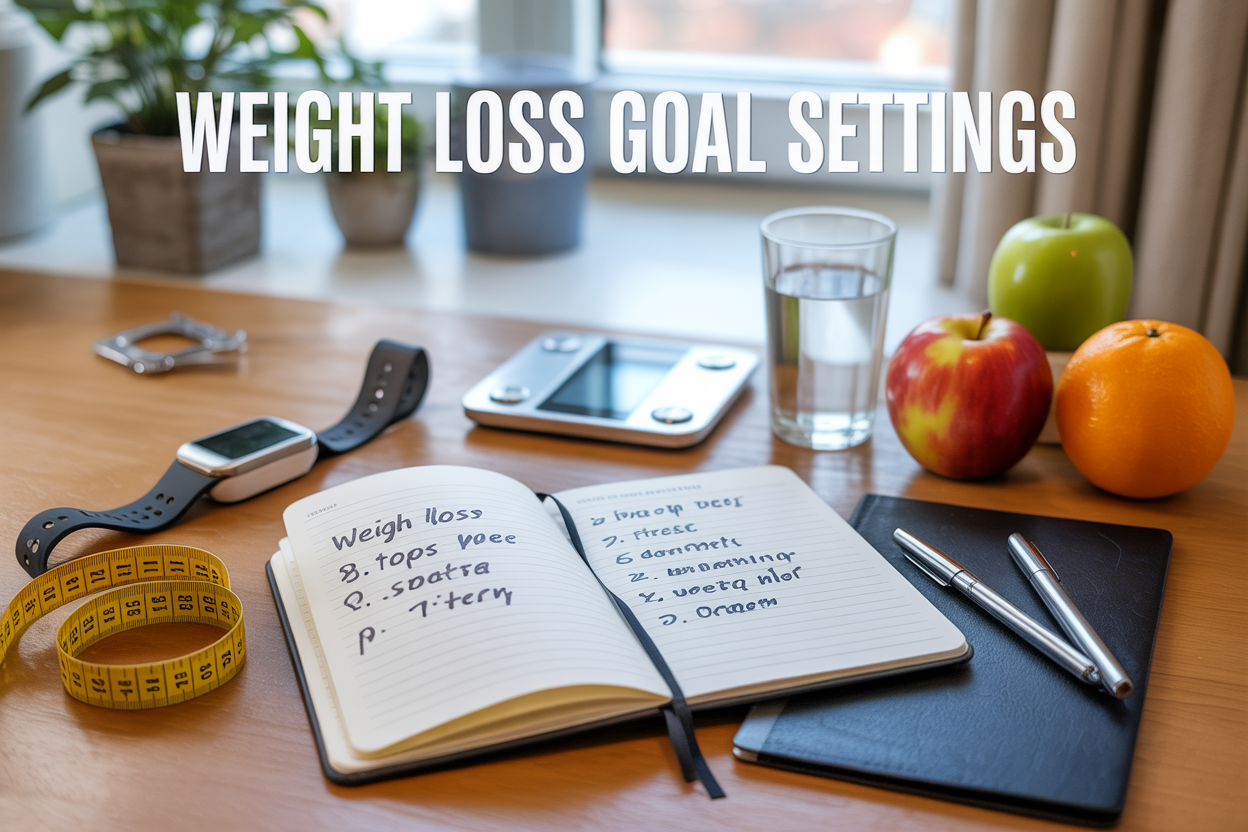
Setting effective weight loss goals can make the difference between lasting success and repeated frustration. This guide is for anyone ready to stop the cycle of failed diets and start building a sustainable approach to reaching their ideal weight.
Many people struggle with weight loss goal setting because they aim too high too fast or don't track their progress properly. You'll discover how to set realistic weight loss targets that actually stick, create SMART weight loss goals that keep you motivated, and use the right weight loss measurement tools to monitor your journey.
We'll cover how to build sustainable weight loss habits that support your long-term success and help you avoid the most common weight loss goal mistakes that derail progress. By the end, you'll have a clear roadmap for creating achievable weight loss plans that work with your lifestyle, not against it.
Set Realistic and Achievable Weight Loss Targets

Calculate your healthy weight range using BMI guidelines
Understanding your healthy weight range gives you a clear target to work toward. The Body Mass Index (BMI) provides a starting point for realistic weight loss targets, though it's not the only factor to consider. Calculate your BMI by dividing your weight in pounds by your height in inches squared, then multiply by 703. A BMI between 18.5 and 24.9 falls within the normal range.
While BMI has limitations and doesn't account for muscle mass or body composition, it offers valuable guidance for setting achievable weight loss plans. Someone with a BMI of 30 shouldn't aim for the lowest possible weight within the normal range right away. Instead, focus on reaching the upper end of the healthy range first, then reassess your goals.
Aim for 1-2 pounds per week for sustainable results
Safe, sustainable weight loss happens at a steady pace of 1-2 pounds per week. This rate allows your body to adjust gradually while preserving muscle mass and avoiding metabolic slowdown. Losing weight faster often leads to muscle loss, nutrient deficiencies, and eventual weight regain.
To lose one pound per week, you need to create a calorie deficit of 3,500 calories weekly, or about 500 calories daily. This can come from reducing food intake, increasing physical activity, or combining both approaches. For two pounds weekly, double this deficit to 1,000 calories daily - but only attempt this if you have significant weight to lose and medical clearance.
Rapid weight loss promises often backfire because they're not sustainable long-term. Your body adapts to extreme restrictions by slowing metabolism and increasing hunger hormones, making it harder to maintain your progress.
Break down long-term goals into monthly milestones
Large weight loss goals can feel overwhelming without smaller checkpoints along the way. Breaking your ultimate target into monthly milestones makes the journey feel more manageable and provides regular opportunities to celebrate progress.
If your goal is losing 40 pounds over 10 months, aim for 4 pounds monthly rather than fixating on the total amount. This approach helps you stay motivated when progress feels slow and allows you to adjust your strategy if needed.
Monthly milestones also help you identify patterns in your progress. Some months you might lose more due to factors like starting a new exercise routine, while others might show slower progress during stressful periods or holidays. These patterns help you understand your body's response and set more realistic weight loss targets going forward.
Track both weight-related and behavior-based monthly goals. Weight might include losing 4 pounds, while behaviors could involve working out 16 times or preparing meals at home 20 days that month.
Consider your lifestyle and time constraints
Your weight loss goals must fit realistically into your actual life, not an idealized version of it. A single parent working two jobs has different constraints than someone with flexible hours and childcare support. Honest assessment of your lifestyle prevents setting unrealistic weight loss targets that lead to frustration and abandonment.
Consider your work schedule, family responsibilities, budget, and social commitments when setting goals. If you travel frequently for work, your strategy will differ from someone with a predictable routine. Night shift workers need different meal timing approaches than those working standard hours.
Time constraints affect both exercise and meal preparation. Someone with 30 minutes for fitness needs different realistic weight loss targets than someone with two hours available. Similarly, cooking elaborate healthy meals isn't feasible for everyone, so factor in your actual cooking time and skills.
Your support system also influences what's achievable. Family members who sabotage healthy eating efforts or friends who always suggest high-calorie activities create additional challenges that should inform your goal-setting process. Build strategies that work with your reality rather than against it.
Create SMART Goals for Maximum Success

Make your goals specific with exact numbers and dates
Vague goals like "I want to lose weight" set you up for disappointment. Your brain needs clear targets to work toward. Instead of saying you'll "eat better," commit to consuming 1,800 calories daily or adding three servings of vegetables to your meals. Replace "exercise more" with "walk 10,000 steps every day" or "complete 30-minute strength training sessions three times weekly."
The magic happens when you attach specific dates to your weight loss goals. Rather than hoping to drop pounds "soon," set a deadline like "lose 15 pounds by March 1st" or "reach my goal weight of 150 pounds by my birthday in six months." These concrete numbers and timelines create urgency and help you calculate exactly what daily actions you need to take.
Establish measurable progress tracking methods
SMART weight loss goals demand measurable progress indicators beyond just the scale. Track multiple metrics to get a complete picture of your transformation. Weigh yourself weekly at the same time, measure your waist, hips, and other body areas monthly, and take progress photos every two weeks.
Consider tracking behavioral metrics too. Log your daily calorie intake, count weekly workout sessions, or monitor sleep hours. These measurements show progress even when the scale doesn't budge. Create a simple tracking system using apps, spreadsheets, or journals - whatever method you'll actually use consistently.
| Measurement Type | Frequency | Why It Matters |
|---|---|---|
| Body weight | Weekly | Shows overall progress |
| Body measurements | Monthly | Reveals body composition changes |
| Progress photos | Bi-weekly | Visual documentation of transformation |
| Daily calories | Daily | Ensures caloric deficit maintenance |
Ensure your targets are attainable based on your starting point
Realistic weight loss targets prevent burnout and maintain motivation. A safe, sustainable rate is 1-2 pounds per week, which means losing 4-8 pounds monthly. If you're 50 pounds overweight, aiming to lose it all in two months will likely backfire. Instead, set a 6-month timeline for a more achievable approach.
Consider your current fitness level, schedule, and lifestyle when setting SMART weight loss goals. Someone juggling a demanding job and young kids can't realistically commit to two-hour daily gym sessions. Start where you are, not where you think you should be. If you currently don't exercise, begin with 15-minute walks rather than marathon training plans.
Your starting weight also influences realistic targets. People with more weight to lose often see faster initial results, while those closer to their goal weight may lose more slowly. Factor in your age, metabolism, and any medical conditions that might affect your weight loss journey.
Set relevant goals that align with your personal motivations
Your weight loss goals must connect to what truly matters to you. Generic goals borrowed from fitness magazines won't sustain you through challenging moments. Dig deep into your "why" - maybe you want energy to keep up with your children, confidence for an upcoming reunion, or improved health to manage diabetes.
Align your specific targets with these deeper motivations. If your goal is playing with grandkids without getting winded, focus on cardio endurance alongside weight loss. If you're preparing for a wedding, set goals around fitting into a specific dress size. When your weight loss goal setting connects to meaningful life experiences, you're more likely to stick with the plan during tough times.
Write down your personal reasons and review them regularly. This emotional connection transforms abstract numbers into compelling reasons for daily healthy choices.
Define time-bound deadlines for accountability
Deadlines create urgency and prevent procrastination in your weight loss journey. Without specific timeframes, goals become wishes that drift indefinitely into the future. Break your main goal into smaller, time-bound milestones. If you want to lose 30 pounds in six months, set monthly targets of 5 pounds.
Create both short-term and long-term deadlines. Weekly goals might include completing four workouts or staying within your calorie budget six out of seven days. Monthly deadlines could involve losing a specific amount or mastering a new healthy recipe. These frequent checkpoints keep you accountable and allow for course corrections before you drift too far off track.
Share your deadlines with a trusted friend, family member, or online community. External accountability adds extra motivation to honor your commitments. Consider scheduling regular check-ins or progress reviews to maintain momentum toward your time-bound weight loss goals.
Track Your Progress with Effective Measurement Tools
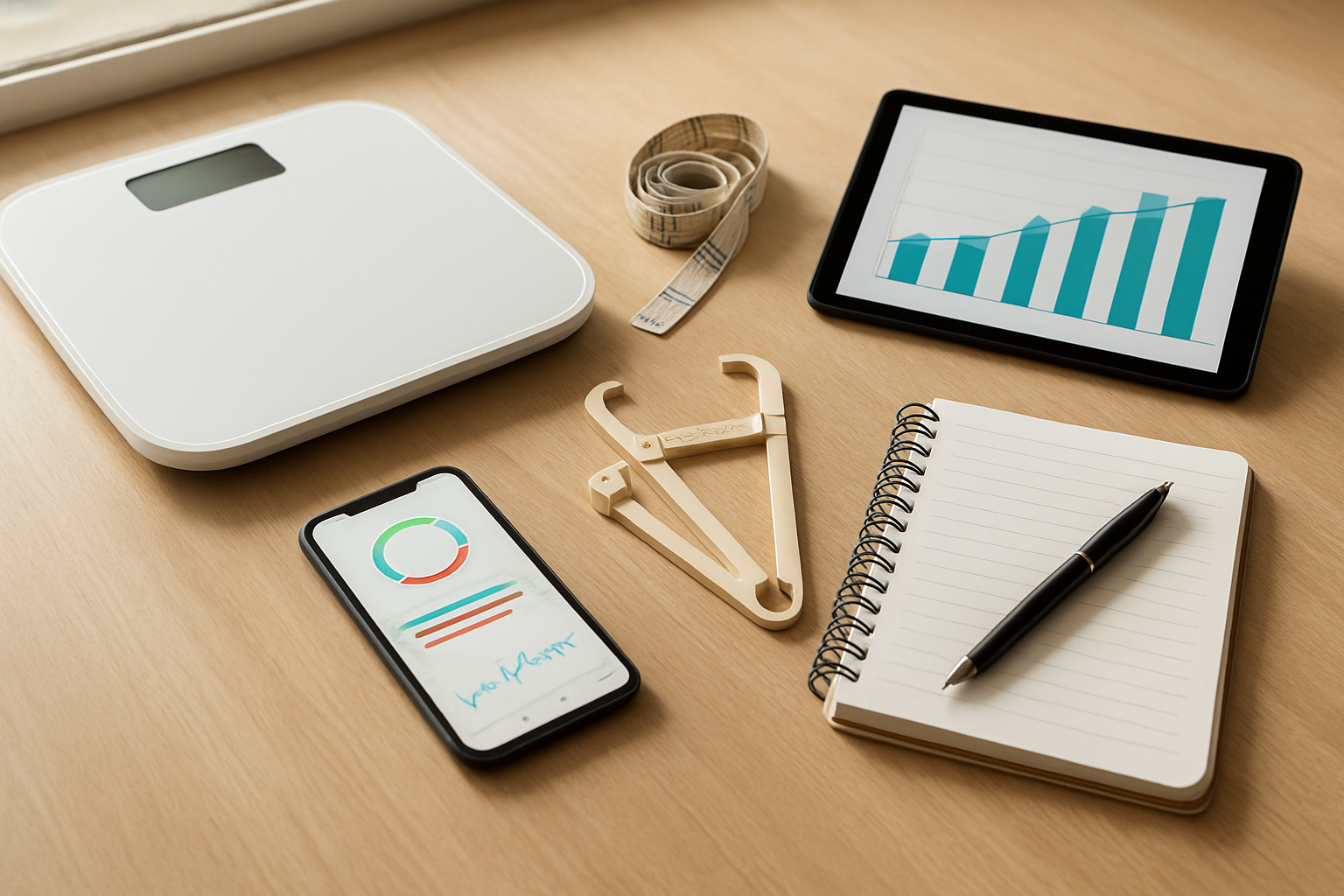
Use multiple metrics beyond just the scale weight
Your bathroom scale tells only part of the story when it comes to weight loss progress tracking. Body weight fluctuates daily due to water retention, hormonal changes, and the timing of your last meal. These natural variations can mask real progress and lead to unnecessary frustration.
Body composition provides a more accurate picture of your success. Muscle weighs more than fat, so you might gain muscle while losing fat and see minimal scale changes despite significant body improvements. This scenario is especially common for people who combine strength training with their weight loss goals.
Consider tracking these alternative metrics:
-
Body fat percentage: Shows actual fat loss versus muscle preservation
-
Waist-to-hip ratio: Indicates changes in abdominal fat distribution
-
Clothing fit: A practical indicator of body shape changes
-
Sleep quality: Better rest often accompanies successful lifestyle changes
-
Mood and stress levels: Mental health improvements reflect overall progress
Take body measurements and progress photos regularly
Body measurements capture changes that scales miss entirely. Take measurements weekly at the same time of day, preferably in the morning before eating. Focus on key areas like waist, hips, chest, arms, and thighs. Record these numbers in a dedicated journal or smartphone app.
Progress photos serve as powerful visual evidence of transformation. Take front, side, and back photos monthly wearing the same fitted clothing. Use consistent lighting and camera angles to ensure accurate comparisons. Many people discover dramatic changes in their photos that they couldn't see in daily mirror checks.
Monitor your energy levels and fitness improvements
Physical performance improvements often outpace visible changes. Track your endurance during cardio sessions, strength gains in the gym, or how easily you climb stairs. These fitness improvements indicate that your weight loss measurement tools are working effectively.
Energy levels throughout the day provide valuable feedback about your approach. Sustainable weight loss habits should leave you feeling energized, not depleted. If you're constantly tired or struggling with basic daily activities, your goals may need adjustment.
Keep a simple daily rating system for energy (1-10 scale) and note patterns related to your eating, exercise, and sleep habits.
Build Sustainable Habits That Support Your Goals

Focus on nutrition changes you can maintain long-term
The secret to lasting weight loss lies in making dietary changes that feel like a natural part of your life rather than a temporary punishment. Crash diets and extreme restrictions might deliver quick results, but they're not sustainable weight loss habits that stick around when life gets busy or stressful.
Start by identifying foods you genuinely enjoy that also support your weight loss goals. Maybe you love roasted vegetables but hate raw ones, or perhaps you prefer Greek yogurt over regular yogurt. Build your meal plans around these preferences rather than forcing yourself to eat foods you dislike.
Gradual changes work better than dramatic overhauls. If you currently drink three sodas daily, cut back to two for a week, then one, then switch to sparkling water with fruit. This approach helps your taste buds adapt without feeling deprived.
Consider the 80/20 rule: make nutritious choices 80% of the time while leaving room for treats and social eating. This flexibility prevents the all-or-nothing mindset that derails many weight loss efforts.
Incorporate enjoyable physical activities into your routine
Exercise doesn't have to mean suffering through workouts you hate. The best physical activity for achieving weight loss goals is the one you'll actually do consistently. Dancing, hiking, swimming, playing with your kids, gardening, or even cleaning house all count as movement.
Think about activities you enjoyed as a child or things you've always wanted to try. Rock climbing, martial arts, tennis, or cycling might spark genuine excitement rather than dread. When you look forward to moving your body, staying active becomes much easier.
Start small and build momentum. A 10-minute walk after dinner is better than planning hour-long gym sessions you'll skip. As you develop the habit, you can gradually increase duration and intensity.
Mix different types of activities throughout the week to prevent boredom and work different muscle groups. Monday might be yoga, Wednesday could be strength training, and weekends might involve outdoor adventures.
Develop consistent sleep and stress management practices
Poor sleep and chronic stress can sabotage even the most well-planned weight loss goals. When you're tired, your body craves high-calorie foods for quick energy. Stress triggers cortisol production, which can increase appetite and promote fat storage around your midsection.
Create a bedtime routine that signals your body it's time to wind down. This might include dimming lights, reading, gentle stretching, or taking a warm bath. Aim for 7-9 hours of sleep nightly and try to go to bed at roughly the same time each night.
For stress management, find techniques that work with your lifestyle and personality. Some people find meditation helpful, while others prefer journaling, deep breathing exercises, or talking with friends. Regular physical activity also serves double duty by reducing stress while supporting your fitness goals.
Don't underestimate the power of saying no to commitments that overwhelm your schedule. Protecting your time and energy helps maintain the consistency needed for sustainable weight loss habits.
Create meal planning and preparation systems
Successful weight loss goal setting includes practical strategies for busy days when making healthy choices becomes challenging. Having nutritious meals and snacks ready removes the guesswork and reduces the temptation to grab whatever's convenient.
Start meal planning by choosing one day each week to plan your meals and snacks. Look at your upcoming schedule and identify potentially difficult days when you'll need grab-and-go options. Batch cooking proteins like grilled chicken, hard-boiled eggs, or beans saves time during busy weekdays.
Prep vegetables by washing, chopping, and storing them in clear containers so they're visible and easy to grab. Pre-portion snacks like nuts, fruits, or yogurt to avoid mindless overeating.
Keep your meal prep simple and realistic. Preparing three different elaborate meals might feel overwhelming, but cooking a big batch of soup or chili that provides several meals is manageable. Even washing fruit or making overnight oats counts as helpful preparation.
Consider using tools like slow cookers, instant pots, or sheet pan meals that require minimal hands-on time but deliver maximum results for your sustainable weight loss plans.
Overcome Common Goal-Setting Pitfalls

Avoid Setting Unrealistic Timeline Expectations
Many people sabotage their weight loss goals by expecting dramatic results too quickly. Social media and crash diet marketing make losing 20 pounds in a month seem normal, but this mindset sets you up for disappointment and eventual giving up.
Safe weight loss happens at 1-2 pounds per week for most people. Setting weight loss goals that align with this reality protects your metabolism and increases your chances of keeping the weight off long-term. When you aim to lose 50 pounds in two months, you're essentially planning to fail.
Instead of racing against the calendar, focus on monthly milestones that feel challenging but doable. If you want to lose 30 pounds total, give yourself 4-6 months rather than 6 weeks. This approach allows your body to adapt gradually and helps you build lasting habits along the way.
Remember that weight loss isn't linear. Some weeks you'll lose more, others less, and occasionally the scale might not budge at all. Building buffer time into your realistic weight loss targets accounts for these natural fluctuations without derailing your motivation.
Don't Rely Solely on Willpower Without Proper Planning
Willpower is like a muscle that gets tired throughout the day. Banking your entire weight loss journey on pure determination without strategic planning is like trying to run a marathon without training.
SMART weight loss goals require structure and systems, not just good intentions. Create specific meal prep schedules, pre-plan your workouts, and set up your environment for success. Stock your kitchen with healthy foods and remove tempting snacks that derail your progress.
Plan for weak moments by identifying your triggers and creating alternative responses. If you normally stress-eat after work, prepare healthier stress-relief options like going for a walk or calling a friend. When you have concrete backup plans, you won't rely on willpower alone to make good choices in challenging moments.
Successful weight loss goal setting involves creating automatic habits that support your objectives. The more decisions you can make ahead of time, the less mental energy you'll spend fighting temptation throughout the day.
Prepare Strategies for Handling Plateaus and Setbacks
Weight loss plateaus are completely normal and happen to everyone. Your body adapts to your routine, and what worked initially might need adjustments after several weeks. Planning for these inevitable slowdowns prevents panic and helps you stay committed to your achievable weight loss plans.
When progress stalls, resist the urge to drastically cut calories or double your exercise routine. Instead, try small tweaks like changing your workout routine, adjusting your meal timing, or increasing your daily steps. Sometimes taking a planned break from dieting for a week can actually restart your progress.
Setbacks like holiday indulgences, vacation eating, or stressful periods don't erase your previous progress. Develop a "reset protocol" that helps you bounce back quickly without guilt. This might include returning to meal prep immediately, scheduling extra workouts for the following week, or reviewing what triggered the setback to prevent future occurrences.
Track your progress using multiple weight loss measurement tools beyond just the scale. Take body measurements, progress photos, and note improvements in energy levels or fitness performance. When the scale isn't moving, these other indicators often show that you're still making progress toward your weight loss goals.

Setting the right weight loss goals can make the difference between lasting success and another failed attempt. The key lies in choosing realistic targets, creating SMART goals that guide your journey, and tracking your progress with tools that actually work. When you build sustainable habits instead of relying on quick fixes, you're setting yourself up for long-term results rather than temporary changes.
Remember, the most common mistakes happen when people aim too high too fast or don't have a clear plan to measure their progress. Start small, be specific about what you want to achieve, and focus on creating daily habits that you can stick with for months, not just weeks. Your weight loss journey doesn't have to be perfect – it just needs to be consistent and realistic for your lifestyle.
Comments
Post a Comment