balanced diet planning, nutrition goals, meal planning strategies, healthy eating plan, diet goal setting, balanced meal framework, nutritional needs assessment, meal prep planning, sustainable diet plan, healthy diet implementation
Balanced diet planning goals
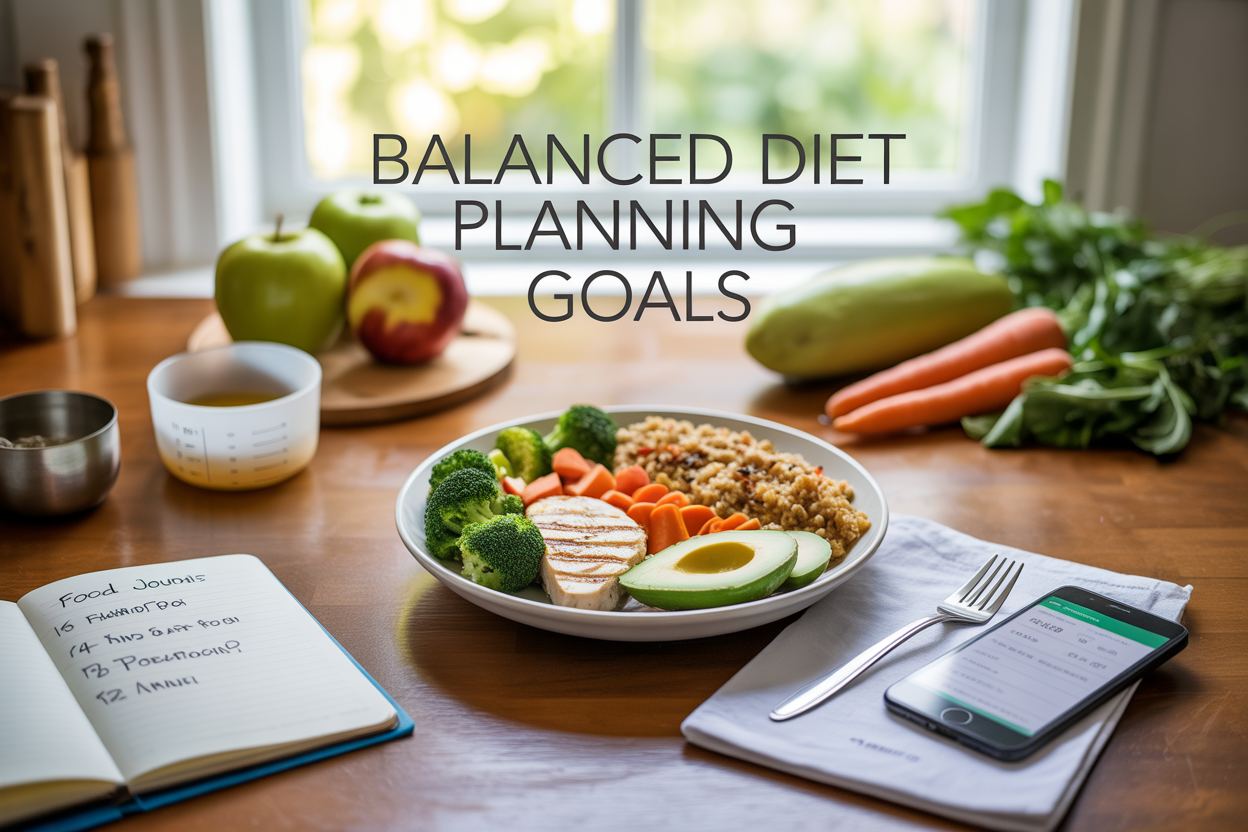
Creating a balanced diet planning system that actually works takes more than just good intentions—it requires a clear strategy and realistic goals. This guide is designed for anyone who wants to build healthier eating habits, from busy professionals trying to meal prep effectively to families looking to improve their overall nutrition without the stress.
Balanced diet planning starts with understanding what your body actually needs, not what the latest trend tells you to eat. We'll walk through how to assess your personal nutritional needs based on your lifestyle, activity level, and health goals. You'll also learn practical meal planning strategies that fit into your real life, including simple frameworks for building balanced meals that satisfy your taste buds and your body.
Finally, we'll cover sustainable diet plan implementation—the part most people struggle with. This means setting up systems for meal prep planning, tracking your progress without obsessing over every detail, and making adjustments when life gets in the way. By the end, you'll have a personalized healthy eating plan that feels manageable rather than overwhelming.
Understanding Your Personal Nutritional Needs

Calculate Your Daily Caloric Requirements Based on Age, Gender, and Activity Level
Your body's energy needs are as unique as your fingerprint. To create an effective balanced diet planning strategy, you need to know exactly how many calories your body burns each day. This isn't guesswork – there's actual science behind calculating your daily caloric requirements.
Start with your Basal Metabolic Rate (BMR), which represents the calories your body needs just to keep vital functions running while you're at rest. The Harris-Benedict equation provides a reliable starting point:
For Men: BMR = 88.362 + (13.397 × weight in kg) + (4.799 × height in cm) - (5.677 × age in years)
For Women: BMR = 447.593 + (9.247 × weight in kg) + (3.098 × height in cm) - (4.330 × age in years)
Once you have your BMR, multiply it by your activity factor:
| Activity Level | Multiplier | Description |
|---|---|---|
| Sedentary | 1.2 | Little to no exercise |
| Lightly Active | 1.375 | Light exercise 1-3 days/week |
| Moderately Active | 1.55 | Moderate exercise 3-5 days/week |
| Very Active | 1.725 | Hard exercise 6-7 days/week |
| Extremely Active | 1.9 | Physical job + exercise or intense training |
For a 35-year-old woman who weighs 150 pounds, stands 5'6" tall, and exercises moderately, her daily caloric needs would be approximately 2,100 calories. This calculation forms the foundation of your nutritional needs assessment and guides every other aspect of your meal planning strategies.
Identify Essential Macronutrient Ratios for Optimal Health
Macronutrients are the big three: carbohydrates, proteins, and fats. Getting the right balance of these nutrients directly impacts your energy levels, body composition, and overall health outcomes. Your balanced meal framework should reflect these optimal ratios.
Carbohydrates (45-65% of total calories) serve as your body's primary fuel source. Choose complex carbs like quinoa, sweet potatoes, and whole grains over simple sugars. These provide steady energy and help maintain stable blood sugar levels throughout the day.
Protein (10-35% of total calories) builds and repairs tissues while supporting immune function. Most active adults need 0.8-1.2 grams per kilogram of body weight daily. Include diverse sources like lean meats, fish, legumes, eggs, and dairy products.
Fats (20-35% of total calories) support hormone production and nutrient absorption. Focus on unsaturated fats from sources like avocados, nuts, seeds, and olive oil while limiting saturated fats to less than 10% of total calories.
A practical approach for meal prep planning involves using the plate method: fill half your plate with vegetables and fruits, one quarter with lean protein, and one quarter with whole grains or starchy vegetables. Add a small portion of healthy fats to complete your balanced meal framework.
Determine Key Vitamin and Mineral Deficiencies Through Assessment
Common nutrient deficiencies can sabotage even the best healthy eating plan. Rather than guessing, take a systematic approach to identify what your body might be missing.
Start with a basic assessment of your current eating patterns. Track your food intake for a week using a nutrition app or food diary. Look for patterns that might indicate deficiencies:
Common deficiency indicators:
-
Fatigue and weakness (iron, B12, vitamin D)
-
Frequent infections (vitamin C, zinc, vitamin D)
-
Slow wound healing (vitamin C, zinc, protein)
-
Brittle nails or hair loss (biotin, iron, protein)
-
Muscle cramps (magnesium, potassium)
-
Poor night vision (vitamin A)
Blood tests can provide definitive answers about your nutrient status. Ask your healthcare provider to check levels of vitamin D, B12, iron, magnesium, and other nutrients based on your symptoms and dietary patterns.
High-risk groups for specific deficiencies:
-
Vegetarians and vegans: B12, iron, zinc, omega-3 fatty acids
-
Older adults: B12, vitamin D, calcium
-
Women of childbearing age: Iron, folate
-
People with limited sun exposure: Vitamin D
-
Those avoiding dairy: Calcium, vitamin D
Use this information to adjust your nutrition goals and choose foods that address your specific needs. Supplements might be necessary, but whole foods should be your primary strategy for meeting nutrient requirements.
Recognize How Lifestyle Factors Influence Your Dietary Goals
Your daily routine, stress levels, sleep patterns, and work schedule all impact what constitutes a sustainable diet plan for you. Acknowledging these factors upfront prevents unrealistic goal setting and helps create a healthy diet implementation strategy that actually fits your life.
Work schedule considerations: If you travel frequently for business, your meal planning strategies need to account for irregular meal times and limited food options. Shift workers require different approaches to timing meals and managing energy levels compared to traditional 9-to-5 schedules.
Stress and emotional eating patterns significantly affect food choices. High-stress periods often lead to increased cortisol production, which can increase cravings for high-calorie comfort foods. Building stress management techniques into your routine supports your nutrition goals.
Sleep quality directly correlates with hunger hormones. Poor sleep disrupts leptin and ghrelin production, leading to increased appetite and cravings for high-calorie foods. Most adults need 7-9 hours of quality sleep to support optimal metabolic function.
Budget constraints influence food choices and meal planning strategies. Healthy eating doesn't have to be expensive, but it requires planning. Buying seasonal produce, choosing less expensive protein sources like eggs and legumes, and batch cooking can make nutritious eating more affordable.
Family dynamics and social situations shape eating environments. If you're cooking for family members with different dietary preferences or needs, your balanced diet planning must accommodate everyone while still meeting your personal nutrition goals.
Consider these lifestyle factors when setting diet goal setting timelines and choosing implementation strategies. A plan that works with your lifestyle has a much higher chance of becoming a permanent, positive change.
Setting Realistic and Measurable Diet Goals

Establish specific weight management targets with timelines
Setting clear weight management goals transforms vague intentions into actionable plans. Instead of saying "I want to lose weight," define exactly how much weight you want to lose and when. A healthy approach targets 1-2 pounds per week for weight loss or 0.5-1 pound per week for gradual weight gain.
Break down larger goals into smaller milestones. If you're aiming to lose 20 pounds, set monthly targets of 4-5 pounds. This creates multiple success points and keeps motivation high. Write down specific dates and weights, like "Reach 155 pounds by March 15th" rather than "lose weight this spring."
Consider non-scale victories too. Maybe you want to fit into a specific clothing size, complete a 5K run, or reduce your waist measurement by 2 inches. These targets often provide more meaningful progress indicators than the scale alone.
Track your starting point with measurements, photos, and how you feel. This baseline helps you recognize progress even when the scale doesn't move. Remember that muscle weighs more than fat, so body composition changes might not always show up in weight alone.
Create sustainable portion control strategies
Effective portion control doesn't mean tiny servings or constant hunger. Start by learning what appropriate portions actually look like. Use your hand as a guide: a palm-sized portion of protein, a cupped handful of carbs, and a thumb-sized portion of fats.
Invest in smaller plates and bowls. This simple switch tricks your brain into feeling satisfied with less food. A full smaller plate feels more satisfying than a half-empty large plate. Use 9-inch dinner plates instead of 12-inch ones, and choose tall, narrow glasses over short, wide ones.
Practice the plate method for balanced nutrition goals. Fill half your plate with vegetables, one quarter with lean protein, and one quarter with complex carbohydrates. This visual guide makes meal planning strategies simple and sustainable.
Slow down your eating pace. Put your fork down between bites and chew thoroughly. Your brain needs about 20 minutes to register fullness, so eating slowly prevents overeating. Try setting a timer for meals or eating with your non-dominant hand to naturally slow the process.
Pre-portion snacks into individual containers or bags. When you're hungry, you'll grab the right amount instead of eating straight from large packages. This prevents mindless overeating while watching TV or working.
Define clear meal frequency and timing objectives
Your meal timing affects energy levels, hunger patterns, and metabolism. Most people thrive on three meals plus 1-2 planned snacks, spaced 3-4 hours apart. This schedule prevents extreme hunger that leads to poor food choices.
Plan your largest meal when you're most active. If you exercise in the morning, make breakfast your biggest meal. If you're active in the evening, have a substantial dinner. Match your fuel to your activity level throughout the day.
Establish consistent meal times that fit your lifestyle. If you work traditional hours, aim for breakfast at 7 AM, lunch at noon, and dinner at 6 PM. Consistency helps regulate hunger hormones and makes your healthy eating plan automatic.
Consider your personal schedule when planning meal prep. If mornings are rushed, prepare overnight oats or egg muffins ahead of time. If evenings are busy, use slow cooker meals or batch-cook proteins on weekends.
Set specific goals around eating windows. Maybe you want to stop eating 3 hours before bedtime or have your first meal within 2 hours of waking up. These timing goals support better digestion and sleep quality while supporting your overall balanced diet planning approach.
Building Your Balanced Meal Framework
Master the plate method for optimal nutrient distribution
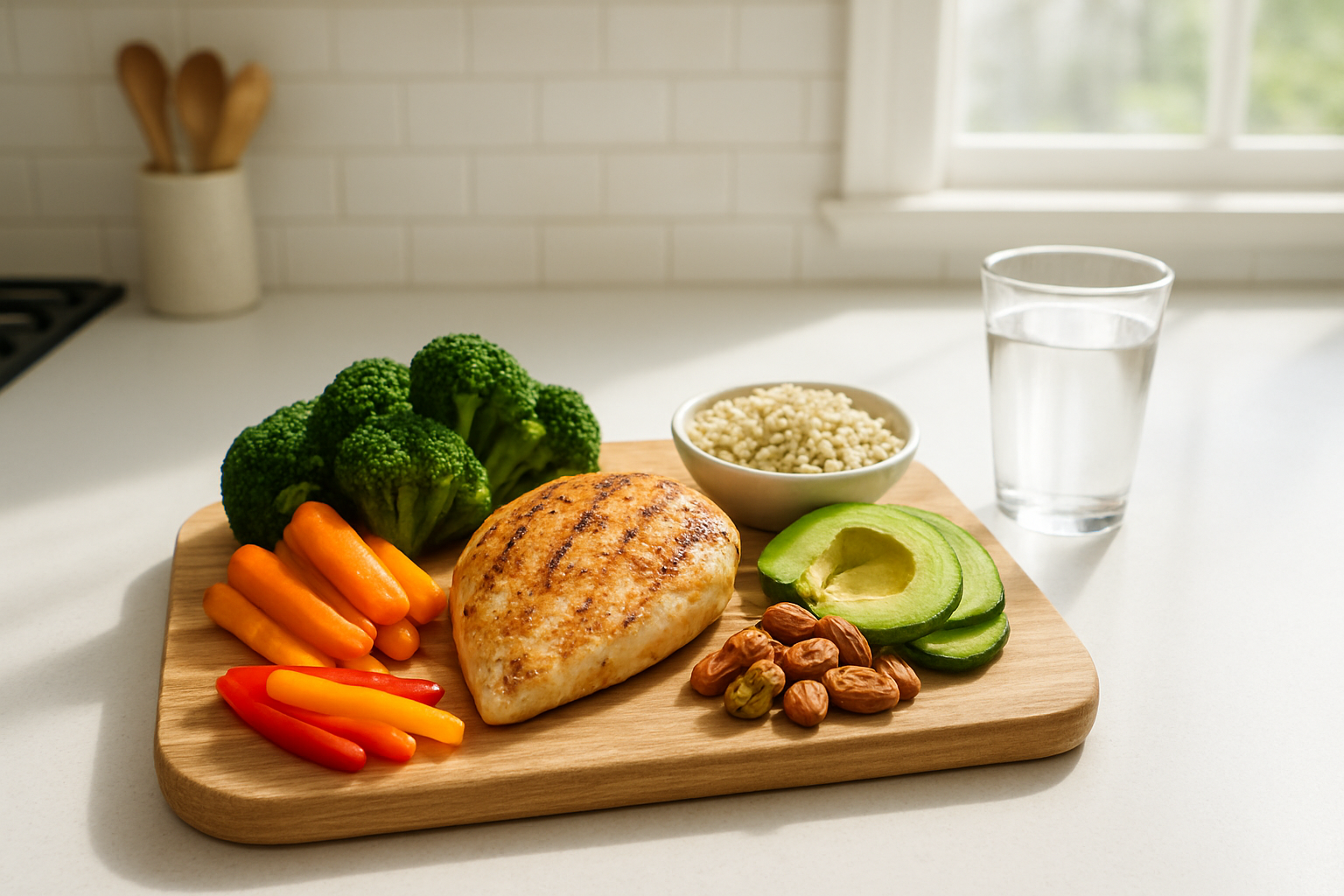
The plate method transforms complex nutrition science into a simple visual guide that makes balanced meal planning effortless. Picture your dinner plate divided into sections: half should be filled with colorful vegetables and fruits, one quarter with lean protein, and the remaining quarter with complex carbohydrates. This approach naturally creates portion control while ensuring you get a variety of nutrients at every meal.
Start by choosing non-starchy vegetables like spinach, broccoli, bell peppers, or zucchini to fill the largest portion of your plate. These foods pack vitamins, minerals, and antioxidants while keeping calories in check. Add a palm-sized portion of protein and a cupped-hand serving of whole grains or starchy vegetables. The beauty of this method lies in its flexibility – you can adapt it to any cuisine or dietary preference while maintaining nutritional balance.
Incorporate diverse protein sources for muscle maintenance
Your body needs protein for muscle repair, immune function, and hormone production, but variety keeps meals interesting and nutrition complete. Rotate between animal proteins like lean chicken, fish, and eggs, and plant-based options such as beans, lentils, quinoa, and tofu throughout the week.
Each protein source offers unique benefits. Fish provides omega-3 fatty acids for brain health, while legumes deliver fiber and folate. Eggs offer all essential amino acids, and Greek yogurt adds probiotics for gut health. Aim for 20-30 grams of protein per meal by including:
-
Animal sources: 3-4 oz chicken breast, 1 cup Greek yogurt, 2 eggs
-
Plant sources: 1 cup cooked beans, 3 oz tofu, 2 tablespoons nut butter
-
Combination meals: Quinoa bowls with nuts, bean and grain salads
Choose complex carbohydrates for sustained energy
Complex carbohydrates fuel your brain and muscles while providing steady energy throughout the day. Unlike simple sugars that cause energy spikes and crashes, complex carbs release glucose gradually, keeping you satisfied and focused longer.
Prioritize whole grains like brown rice, oats, and quinoa over refined options. Sweet potatoes, butternut squash, and other starchy vegetables offer additional vitamins and fiber. These foods support your meal planning strategies by providing the sustained energy needed for daily activities and exercise.
| Complex Carb | Serving Size | Key Benefits |
|---|---|---|
| Brown rice | 1/2 cup cooked | B vitamins, fiber |
| Oats | 1/2 cup dry | Beta-glucan, protein |
| Sweet potato | 1 medium | Vitamin A, potassium |
| Quinoa | 1/3 cup dry | Complete protein, iron |
Select healthy fats that support brain and heart function
Healthy fats play crucial roles in hormone production, nutrient absorption, and brain function. Include sources of monounsaturated and polyunsaturated fats while limiting saturated fats and avoiding trans fats entirely.
Olive oil, avocados, nuts, and seeds provide heart-protective monounsaturated fats. Fatty fish like salmon and sardines deliver omega-3s that reduce inflammation and support cognitive health. A thumb-sized portion of nuts or 2 tablespoons of olive oil provides adequate healthy fats for most meals.
Smart fat choices include:
-
Cooking with olive oil or avocado oil
-
Adding sliced avocado to salads and sandwiches
-
Snacking on mixed nuts and seeds
-
Including fatty fish twice weekly
Prioritize fiber-rich foods for digestive wellness
Fiber supports digestive health, helps control blood sugar, and promotes feelings of fullness that aid in weight management. Most adults need 25-35 grams daily, but gradually increase intake to avoid digestive discomfort.
Fruits, vegetables, whole grains, and legumes naturally provide fiber along with vitamins and minerals. Berries, apples with skin, and pears offer soluble fiber that helps lower cholesterol. Vegetables like artichokes, Brussels sprouts, and broccoli provide insoluble fiber for healthy digestion.
Build fiber into your balanced meal framework by:
-
Choosing whole fruits over juices
-
Adding beans to soups and salads
-
Selecting whole grain breads and cereals
-
Including vegetables at every meal
This balanced meal framework creates the foundation for sustainable diet planning that nourishes your body while fitting seamlessly into your lifestyle. Each component works together to provide complete nutrition while maintaining the flexibility needed for long-term success.
Practical Implementation Strategies

Develop weekly meal planning systems that save time
Creating an effective meal planning strategy transforms your balanced diet planning from overwhelming chaos into manageable routine. Start by dedicating 30 minutes every Sunday to map out your upcoming week's meals. Focus on batch-cooking versatile base ingredients like quinoa, brown rice, and roasted vegetables that work across multiple dishes.
The "template method" works exceptionally well for busy lifestyles. Design meal templates such as "Protein + Grain + Vegetable + Sauce" for dinners, making it simple to swap ingredients while maintaining nutritional balance. This approach reduces decision fatigue while ensuring your nutrition goals stay on track.
Consider prep-ahead breakfast options like overnight oats, egg muffins, or smoothie freezer packs. These grab-and-go solutions prevent morning rushes that often derail healthy eating plans.
Create smart grocery shopping lists for budget-friendly nutrition
Transform your grocery trips into strategic missions that support your meal planning strategies. Organize your shopping list by store layout - produce, proteins, grains, pantry staples - to streamline your experience and reduce impulse purchases.
Focus on nutrient-dense, budget-friendly staples: dried beans and lentils, seasonal produce, frozen vegetables, eggs, and whole grains bought in bulk. These ingredients form the foundation of countless healthy meals without breaking your budget.
Shop with the 80/20 rule: fill 80% of your cart with whole foods from the perimeter of the store, leaving 20% for minimally processed convenience items that genuinely save you time. Canned beans, pre-cut vegetables, and frozen fruits can be valuable additions when they help you stick to your healthy eating plan.
Master simple meal prep techniques for busy schedules
Effective meal prep planning doesn't require spending entire Sundays in the kitchen. Start small with "component prep" - washing and chopping vegetables, cooking grains, and preparing proteins separately. This approach gives you building blocks for quick weeknight assembly.
Invest in quality glass containers that stack efficiently and work for both storage and reheating. Having the right tools makes meal prep feel less like a chore and more like an investment in your week's success.
Try the "cook once, eat twice" method where you intentionally make extra portions that transform into different meals. Roasted chicken becomes tomorrow's salad protein, and leftover vegetables blend into morning smoothies.
Build flexibility into your diet plan for social situations
Your sustainable diet plan must accommodate real life, including dinner parties, work lunches, and spontaneous social events. Develop strategies that let you enjoy these moments without abandoning your nutrition goals completely.
Practice the "plate method" at restaurants and gatherings: fill half your plate with vegetables, one quarter with lean protein, and one quarter with complex carbohydrates. This visual guide works anywhere without requiring calorie counting or complicated calculations.
Create "flexible food swaps" that maintain your balanced meal framework while adapting to different environments. Know that you can choose grilled over fried, ask for dressings on the side, or suggest restaurant options that align with your goals. Having a mental toolkit of adaptable strategies keeps you confident in any food situation.
Remember that occasional indulgences are part of a truly balanced approach. Plan for them by eating lighter earlier in the day or adding extra activity, then enjoy without guilt.
Tracking Progress and Making Adjustments

Monitor energy levels and mood improvements
Your daily energy patterns tell a powerful story about how well your balanced diet planning is working. Keep a simple energy log rating your alertness on a scale of 1-10 at three key times: morning, mid-afternoon, and evening. Notice if you're experiencing that dreaded 3 PM crash or if your mornings feel sluggish despite adequate sleep.
Mood tracking goes hand-in-hand with energy monitoring. Food directly impacts neurotransmitter production, affecting everything from anxiety levels to motivation. Write down how you feel after meals - are you experiencing brain fog, irritability, or mental clarity? These patterns reveal whether your nutrition goals are supporting your mental well-being.
Track sleep quality alongside your eating patterns. Poor sleep often signals nutritional imbalances, while improved rest indicates your meal planning strategies are working. Note any correlation between certain foods and your sleep patterns.
Assess physical changes beyond just weight loss
Weight fluctuations can mask real progress, making them unreliable indicators of success. Focus on functional improvements like climbing stairs without breathlessness, carrying groceries with ease, or having steady hands throughout the day.
Monitor digestive health closely - bloating, regularity, and comfort after meals provide immediate feedback about food choices. Take weekly photos and measurements of your waist, hips, and arms to track body composition changes that scales miss.
Pay attention to skin clarity, hair texture, and nail strength. These often improve within weeks of implementing a balanced meal framework. Joint pain, muscle recovery after exercise, and overall physical comfort are equally valuable markers of nutritional success.
Identify and overcome common dietary obstacles
Food cravings typically signal specific nutritional deficiencies or emotional triggers. When sugar cravings hit, consider whether you need more protein or if stress is driving the desire. Keep a craving journal noting time, intensity, and what happened beforehand.
Time constraints derail even the best healthy eating plans. Identify your busiest days and prep solutions in advance. Batch cooking, pre-cut vegetables, and backup meal options prevent impulsive food choices during hectic periods.
Social situations present unique challenges to sustainable diet plans. Plan ahead for restaurants, parties, and family gatherings. Research menus, eat a small protein snack beforehand, and decide on portion strategies before arriving.
Fine-tune your plan based on results and preferences
Review your food logs monthly to spot patterns. If afternoon energy dips persist despite balanced meals, experiment with protein timing or meal size adjustments. Your body's needs change with seasons, stress levels, and activity, requiring ongoing tweaks.
Taste preferences evolve as your palate adjusts to whole foods. Revisit foods you previously disliked - many people discover they enjoy vegetables they once avoided after their taste buds adapt to less processed options.
Flexibility prevents all-or-nothing thinking that derails long-term success. If certain meal prep planning methods feel burdensome, try different approaches. Some people thrive with detailed weekly planning, while others prefer loose frameworks with daily decisions.
Listen to your body's feedback about portion sizes, meal timing, and food combinations. Your ideal healthy diet implementation will be unique to your lifestyle, preferences, and physiological responses. Regular adjustments keep your plan sustainable and enjoyable rather than restrictive.

Creating a balanced diet that actually works for your lifestyle comes down to knowing yourself and being realistic about what you can stick with long-term. The key is understanding your unique nutritional needs, setting goals you can actually achieve, and building a meal framework that fits your daily routine. When you focus on practical strategies and track your progress, you're setting yourself up for real, lasting change instead of another failed diet attempt.
Start small and be patient with yourself as you make these changes. Your body and habits didn't develop overnight, so don't expect them to transform instantly either. Pick one or two areas from your meal planning to focus on first, whether that's adding more vegetables to lunch or prepping healthy snacks for the week. Remember, the best diet plan is the one you'll actually follow, so make it work for your life, not the other way around.
Comments
Post a Comment