Weight gain for underweight individuals | Healthy Weight Gain | nutrition for underweight individuals | Healthy weight gain | Unhealthy weight gain warning signs | Nutrient-Rich High-Calorie Foods | Muscle Building
Weight gain for underweight individuals

Being underweight can feel just as frustrating as being overweight, especially when you're trying everything to gain healthy weight but nothing seems to stick. This guide is for anyone struggling to put on pounds despite their best efforts - whether you're naturally thin, recovering from illness, or simply have a fast metabolism that burns through calories.
Weight gain for underweight individuals requires a smart, strategic approach that goes beyond just eating more food. We'll walk you through building a calorie-dense nutrition plan that actually works, plus show you how strength training can help you build muscle instead of just adding fat. You'll also discover the daily habits that make weight gain stick and learn how to push through the most common roadblocks that keep people stuck at their current weight.
Understand Your Body's Need for Healthy Weight Gain

Identify medical reasons behind being underweight
Before jumping into any weight gain plan, you need to rule out underlying health issues. Several medical conditions can prevent your body from maintaining a healthy weight, and addressing these first is crucial for successful results.
Hyperthyroidism speeds up your metabolism, making it nearly impossible to keep weight on no matter how much you eat. Digestive disorders like Crohn's disease, celiac disease, or irritable bowel syndrome can interfere with nutrient absorption, leaving your body starving even when you're eating regularly. Type 1 diabetes, certain cancers, and chronic infections also commonly cause unexplained weight loss.
Mental health conditions play a significant role too. Depression, anxiety, and eating disorders can drastically reduce appetite or create unhealthy relationships with food. Some medications, particularly stimulants for ADHD or certain antidepressants, can suppress appetite as side effects.
Schedule a comprehensive check-up with your doctor before starting any weight gain program. They'll run blood tests to check thyroid function, nutrient levels, and screen for autoimmune conditions. Be honest about your eating habits, stress levels, and any symptoms you've noticed. Getting proper medical clearance ensures you're building a foundation for healthy weight gain rather than fighting against an undiagnosed condition.
Calculate your ideal weight range and BMI targets
Understanding your target weight range gives you a clear destination for your journey. BMI provides a starting point, though it's not perfect for everyone, especially athletes with high muscle mass.
For most adults, a healthy BMI falls between 18.5 and 24.9. If you're currently underweight (BMI below 18.5), aim for the lower end of the healthy range initially. Calculate your BMI by dividing your weight in kilograms by your height in meters squared, or use online calculators for convenience.
| BMI Range | Classification | Action Needed |
|---|---|---|
| Below 18.5 | Underweight | Weight gain recommended |
| 18.5-24.9 | Normal weight | Maintain current weight |
| 25-29.9 | Overweight | Weight loss may be beneficial |
| 30+ | Obese | Weight loss recommended |
Your ideal weight range might span 10-20 pounds. For example, someone who's 5'6" should weigh between 118-154 pounds for optimal health. If you're currently 110 pounds, your initial goal might be reaching 125-130 pounds.
Consider your body frame size too. People with larger frames naturally carry more weight healthily than those with smaller frames. Look at your wrist circumference or elbow breadth to determine your frame size, then adjust your target weight accordingly.
Recognize signs your body needs more nutrition
Your body sends clear signals when it's not getting enough fuel, and recognizing these signs helps you understand the urgency of healthy weight gain.
Physical symptoms often appear first. Constant fatigue that doesn't improve with rest indicates your body lacks energy reserves. Feeling cold frequently, especially in your hands and feet, suggests your metabolism has slowed to conserve energy. Hair that's becoming thin, brittle, or falling out signals protein and nutrient deficiencies.
Your immune system suffers when undernourished. If you're catching every cold or infection that comes your way, or wounds heal slowly, your body needs more resources to maintain proper immune function. Women might notice irregular or absent menstrual periods, which can affect bone health and fertility long-term.
Mental and emotional signs include difficulty concentrating, irritability, and mood swings. When your brain doesn't get enough glucose and nutrients, cognitive function declines. You might find yourself obsessing about food or feeling anxious around meals.
Sleep problems often accompany being underweight. You might have trouble falling asleep or wake up frequently during the night because your body lacks the energy reserves needed for quality rest.
Pay attention to your energy levels throughout the day. Healthy individuals should feel energetic most of the time, with natural dips in late afternoon. If you're dragging yourself through daily activities or relying heavily on caffeine, your body is telling you it needs more fuel.
Distinguish between healthy and unhealthy weight gain
Not all weight gain is created equal, and understanding the difference keeps you on track toward better health rather than creating new problems.
Healthy weight gain happens gradually, typically 1-2 pounds per week maximum. This pace allows your body to build lean muscle mass alongside necessary fat stores. You'll gain weight from nutrient-dense foods that provide vitamins, minerals, and quality calories your body can use efficiently.
Unhealthy weight gain comes from empty calories found in processed foods, sugary drinks, and excessive amounts of refined carbohydrates. This type of gain typically happens too quickly and results in excess fat storage, particularly around your midsection, without building muscle or improving overall health.
Healthy weight gain characteristics:
-
Steady energy levels throughout the day
-
Improved strength and endurance
-
Better sleep quality
-
Enhanced mood and mental clarity
-
Gradual increase in muscle mass
-
Improved laboratory values (blood sugar, cholesterol)
Unhealthy weight gain warning signs:
-
Rapid weight increases (more than 2-3 pounds per week)
-
Increased fatigue despite eating more
-
Digestive issues like bloating or heartburn
-
Weight concentrated in the belly area
-
Worsening blood pressure or blood sugar levels
-
Feeling sluggish or heavy
Focus on gaining weight from whole foods like nuts, avocados, lean proteins, whole grains, and healthy fats. These foods provide the building blocks your body needs to create healthy tissue rather than just storing excess calories as fat.
Monitor how you feel as you gain weight. Healthy weight gain should make you feel stronger, more energetic, and better overall. If you're feeling worse despite eating more, reassess your food choices and consider consulting with a registered dietitian who specializes in healthy weight gain.
Build a Strategic Calorie-Dense Nutrition Plan
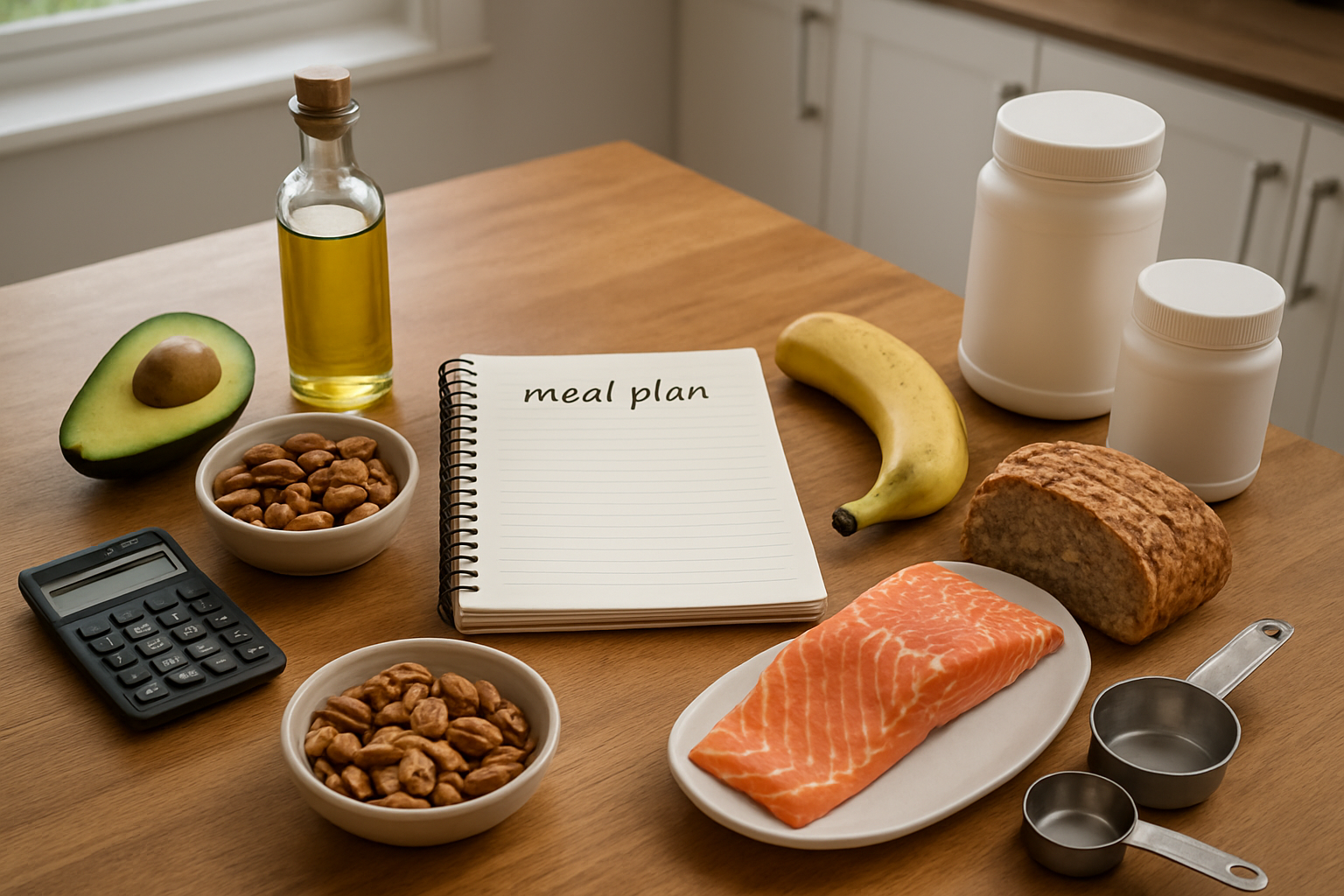
Calculate Your Daily Caloric Surplus Requirements
Start by determining your baseline metabolic needs using the Mifflin-St Jeor equation or similar calculators. Men need roughly 2,200-2,800 calories daily, while women require 1,800-2,200 calories for maintenance. Add 300-500 calories above your maintenance level to create a healthy surplus that promotes gradual weight gain of 1-2 pounds per week.
Track your progress for two weeks and adjust accordingly. If you're not gaining weight, increase your surplus by 100-200 calories. Your body adapts quickly, so regular monitoring prevents plateaus and ensures consistent progress toward your goals.
Choose Nutrient-Rich High-Calorie Foods
Focus on foods that pack maximum nutrition into every calorie. Nuts and nut butters deliver healthy fats and protein in concentrated form - just two tablespoons of almond butter provides 190 calories. Avocados offer heart-healthy monounsaturated fats plus fiber and potassium.
Whole milk, full-fat Greek yogurt, and cheese provide quality protein and calcium. Dried fruits like dates and raisins concentrate natural sugars and minerals into small servings. Fatty fish such as salmon and mackerel supply omega-3 fatty acids alongside lean protein.
| Food Category | Examples | Calories per Serving |
|---|---|---|
| Nuts & Seeds | Almonds (1 oz) | 160 |
| Dairy | Whole milk (1 cup) | 150 |
| Healthy Oils | Olive oil (1 tbsp) | 120 |
| Dried Fruits | Dates (3 pieces) | 80 |
Time Your Meals for Optimal Absorption
Eat every 2-3 hours to maintain steady nutrient flow and prevent overwhelming your digestive system. Start with a substantial breakfast within an hour of waking to kickstart your metabolism and provide energy for the day ahead.
Include a pre-workout snack 30-60 minutes before exercise, focusing on easily digestible carbohydrates. Post-workout meals should combine protein and carbohydrates within 30 minutes to maximize muscle protein synthesis and glycogen replenishment.
Evening meals can be larger since your body has more time to digest and absorb nutrients during rest periods. A small bedtime snack containing casein protein or Greek yogurt supports overnight muscle recovery.
Incorporate Healthy Fats and Complex Carbohydrates
Healthy fats provide nine calories per gram compared to four calories from carbohydrates and protein, making them efficient for weight gain. Include olive oil, coconut oil, nuts, seeds, and fatty fish in your daily rotation.
Complex carbohydrates fuel your workouts and support muscle building. Choose quinoa, brown rice, sweet potatoes, and oats over simple sugars. These foods provide sustained energy release and essential B vitamins.
Combine fats and carbohydrates strategically - drizzle olive oil over quinoa bowls, add nuts to oatmeal, or blend avocado into smoothies. This combination slows digestion and improves nutrient absorption while increasing meal satisfaction.
Design Portion Sizes That Support Gradual Weight Gain
Start with normal portions and gradually increase by 25% weekly until you reach your caloric targets. This approach prevents digestive discomfort while training your appetite to handle larger quantities.
Use smaller, frequent meals rather than forcing huge portions that leave you feeling stuffed. Six smaller meals totaling 2,500 calories feels more manageable than three massive 800-calorie meals.
Visual cues help maintain consistency: your palm determines protein portions, your cupped hand measures carbohydrates, and your thumb guides fat portions. Double these portions from standard weight maintenance recommendations to support healthy weight gain without guesswork.
Maximize Muscle Building Through Strength Training

Focus on compound exercises for mass building
Compound exercises are your best friend when building muscle mass as an underweight individual. These movements work multiple muscle groups at once, creating the perfect storm for muscle growth while maximizing your time in the gym.
The big three - squats, deadlifts, and bench press - should form the foundation of your routine. Squats target your quads, glutes, hamstrings, and core while building functional strength. Deadlifts engage your entire posterior chain, from your traps down to your calves. The bench press develops your chest, shoulders, and triceps while teaching your body to generate power.
Don't overlook other powerful compound movements like pull-ups, rows, overhead press, and dips. Pull-ups and rows balance out pressing movements while building a strong back and biceps. The overhead press builds impressive shoulder and core strength, while dips add serious mass to your triceps and lower chest.
| Exercise | Primary Muscles | Secondary Benefits |
|---|---|---|
| Squats | Quads, Glutes | Core stability, functional strength |
| Deadlifts | Hamstrings, Glutes, Back | Full-body coordination |
| Bench Press | Chest, Shoulders, Triceps | Upper body power |
| Pull-ups | Lats, Biceps | Grip strength, back development |
Start with bodyweight or light weights to master proper form before adding load. Poor technique not only limits gains but increases injury risk, which can derail your progress for weeks or months.
Create a progressive overload workout schedule
Progressive overload is the secret sauce that transforms your workouts from maintenance mode into muscle-building machines. Your muscles adapt quickly to stress, so you need to consistently challenge them with increased demands.
Begin with a three-day full-body routine if you're new to lifting, or a four-day upper/lower split if you have some experience. Here's a sample progression strategy:
Week 1-2: Learn movement patterns with lighter weights
-
Focus on 3 sets of 8-12 reps
-
Rest 60-90 seconds between sets
-
Master proper form before adding weight
Week 3-4: Increase weight by 5-10%
-
Maintain the same rep ranges
-
Add an extra set to major lifts
-
Rest 90-120 seconds between sets
Week 5-6: Push intensity higher
-
Reduce reps to 6-8 range with heavier weight
-
Add drop sets or pause reps for extra challenge
-
Rest 2-3 minutes between heavy sets
Track every workout in a notebook or app. Record weights, sets, reps, and how the workout felt. This data becomes invaluable for planning your next session and ensuring you're always moving forward.
Mix up your progression methods to prevent plateaus. Sometimes add weight, other times add reps or sets. You can also manipulate tempo by slowing down the lowering phase of each rep or adding pauses at the bottom position.
Balance cardio to maintain appetite without burning excess calories
Cardio gets a bad rap in weight gain circles, but smart cardio actually supports your muscle-building goals when done correctly. The key is finding the sweet spot where you boost appetite and cardiovascular health without torching the calories you're working hard to consume.
Low-intensity steady-state cardio works best for underweight individuals. Think brisk walks, easy bike rides, or swimming at a comfortable pace. Aim for 20-30 minutes, 2-3 times per week maximum. This amount stimulates appetite and improves recovery without creating a massive caloric deficit.
Walking after meals can be particularly effective. A 15-20 minute walk helps with digestion and often increases hunger for your next meal. Many people find they can eat larger portions when they incorporate post-meal walks into their routine.
Cardio timing matters:
-
Morning: Empty stomach walks can boost appetite for breakfast
-
Post-workout: Light cardio aids recovery and nutrient delivery
-
Evening: Gentle movement can improve sleep quality
Avoid high-intensity interval training (HIIT) or long endurance sessions while trying to gain weight. These workouts burn significant calories and can suppress appetite for hours afterward. Save the intense cardio for when you've reached your target weight and want to improve conditioning.
Monitor how your body responds to different types and amounts of cardio. If you notice decreased appetite or slower weight gain, dial back the intensity or frequency. Your cardio should enhance your weight gain journey, not hinder it.
Optimize Your Daily Habits for Consistent Results

Establish regular eating schedules to boost appetite
Your body thrives on routine, especially when it comes to eating. Setting consistent meal times helps train your appetite to expect food at specific intervals throughout the day. Start by eating every 3-4 hours, even if you don't feel particularly hungry at first. Your appetite will naturally adjust within a few weeks.
Plan three main meals plus two substantial snacks daily. Keep the timing consistent - if breakfast is at 7 AM, stick to that schedule every day, including weekends. This regularity signals your body to produce hunger hormones at predictable times, making it easier to consume the calories you need for healthy weight gain.
Prepare meals and snacks in advance to avoid skipping eating opportunities. When hunger strikes but you're unprepared, you might grab something light or skip the meal entirely. Having calorie-dense options ready prevents this common setback.
Improve sleep quality to support muscle recovery
Quality sleep directly impacts your weight gain success. During deep sleep, your body releases growth hormone, which is essential for building muscle tissue and recovering from strength training workouts. Adults need 7-9 hours of consistent, restorative sleep each night.
Create a sleep sanctuary by keeping your bedroom cool, dark, and quiet. Avoid screens for at least an hour before bedtime, as blue light interferes with melatonin production. Establish a calming pre-sleep routine like reading or gentle stretching to signal your body it's time to wind down.
Poor sleep disrupts hunger hormones, often decreasing appetite the following day. Sleep deprivation increases cortisol levels, which can break down muscle tissue - the opposite of what you want when trying to gain healthy weight. Prioritize sleep as seriously as you do nutrition and exercise.
Manage stress levels that may suppress appetite
Chronic stress wreaks havoc on your weight gain goals by suppressing appetite and increasing cortisol production. High cortisol levels promote muscle breakdown and fat storage around the midsection, working against your efforts to build lean mass.
Identify your stress triggers and develop healthy coping strategies. Deep breathing exercises, meditation, or even a 10-minute walk can significantly reduce stress hormones. Regular physical activity, particularly strength training, serves a dual purpose by building muscle while reducing stress.
Don't underestimate the power of social connection in managing stress. Spending time with supportive friends or family members can lower cortisol levels naturally. If stress feels overwhelming, consider talking to a counselor or therapist who can provide additional coping tools.
Track your progress with weekly measurements
Consistent tracking keeps you accountable and helps identify what's working in your weight gain journey. Weigh yourself at the same time each week, preferably first thing in the morning after using the bathroom. Daily weigh-ins can be misleading due to natural fluctuations in water retention and food intake.
Body measurements tell a more complete story than the scale alone. Measure your chest, arms, thighs, and waist weekly using a flexible measuring tape. These measurements help distinguish between muscle gain and fat gain, ensuring you're building the healthy weight you want.
| Measurement | Week 1 | Week 2 | Week 3 | Week 4 |
|---|---|---|---|---|
| Weight | ||||
| Chest | ||||
| Right Arm | ||||
| Left Arm | ||||
| Waist | ||||
| Right Thigh | ||||
| Left Thigh |
Take progress photos from multiple angles - front, side, and back. These visual records often reveal changes that numbers alone might miss. Compare photos monthly rather than weekly, as muscle development happens gradually and subtle changes become more apparent over longer periods.
Keep a simple food and mood journal to track patterns between your eating habits, energy levels, and progress. Note which foods boost your appetite and which situations make eating more challenging. This information becomes invaluable for fine-tuning your approach over time.
Overcome Common Weight Gain Challenges

Handle digestive issues that limit food intake
Many underweight people struggle with digestive problems that make eating enough calories feel like an uphill battle. Bloating, nausea, acid reflux, and feeling full too quickly can turn meals into uncomfortable experiences rather than enjoyable ones.
Start by eating smaller, more frequent meals throughout the day instead of forcing yourself through three large ones. Your stomach will thank you, and you'll actually consume more calories overall. Choose foods that are easier on your digestive system - think bananas, rice, oatmeal, and well-cooked vegetables rather than raw, fibrous foods that require more energy to break down.
Ginger can be your best friend here. Add fresh ginger to smoothies or sip ginger tea before meals to reduce nausea and improve digestion. Digestive enzymes taken 15-20 minutes before eating can also help your body break down food more efficiently, reducing that uncomfortable bloated feeling.
Stay hydrated, but avoid drinking large amounts of water during meals as this can dilute digestive enzymes and make you feel full faster. Instead, sip small amounts and save the bulk of your fluid intake for between meals.
If persistent digestive issues continue to interfere with your weight gain efforts, consider working with a gastroenterologist to rule out underlying conditions like gastroparesis, SIBO, or food intolerances that might be sabotaging your progress.
Maintain motivation during slow progress periods
Weight gain can feel frustratingly slow, especially when you're putting in consistent effort and the scale barely budges. This is completely normal - your body needs time to adapt, and healthy weight gain happens gradually.
Track more than just the number on the scale. Take progress photos, measure your arms, chest, and thighs, and pay attention to how your clothes fit. Sometimes you'll gain muscle and lose a little fat simultaneously, which won't show up dramatically on the scale but represents real progress toward a healthier body composition.
Keep a daily log of your energy levels, mood, and strength improvements. Many people notice they have more energy, sleep better, and feel stronger weeks before significant weight changes appear. These non-scale victories deserve celebration and can keep you motivated during plateaus.
Set mini-goals that aren't weight-related. Maybe it's drinking a protein shake every day for a week, adding an extra snack to your routine, or completing all your planned workouts. These smaller achievements build momentum and confidence.
Remember that your body might need periodic breaks to adjust. If you've been gaining steadily for several weeks and suddenly plateau, your body might be recalibrating. Stay consistent with your habits, and progress will resume.
Navigate social situations while staying committed to goals
Social eating can throw a wrench in your weight gain plans, especially when friends suggest restaurants with limited calorie-dense options or when you feel self-conscious about eating more than others around you.
Plan ahead for social meals by checking restaurant menus online. Look for dishes with healthy fats, proteins, and complex carbs. Don't be shy about asking for modifications - extra olive oil, avocado, nuts, or cheese can significantly boost the caloric content of most dishes.
When friends comment on your eating habits, have a simple explanation ready: "I'm working on building muscle and need more fuel" or "My doctor wants me to gain some weight for my health." Most people will respect your goals once they understand you're working toward better health.
Bring backup snacks to social events where food might be limited or low-calorie. A small bag of mixed nuts, protein bars, or trail mix can help you stay on track without drawing attention to your goals.
Don't let one off-plan meal derail your entire week. Social eating is part of life, and flexibility is important for long-term success. If you have a lighter meal out with friends, simply add an extra snack or protein shake later that day to keep your calorie intake on target.
Consider being the one who suggests restaurants or activities. This gives you more control over food options while still maintaining your social connections.

Gaining weight when you're underweight isn't just about eating more food—it's about creating a smart plan that works for your body. The key pieces include understanding why you need to gain weight, building a nutrition strategy focused on calorie-dense foods, adding strength training to build muscle instead of just fat, and developing daily habits that stick. When you tackle common roadblocks like a fast metabolism or poor appetite, you set yourself up for real progress.
Start by tracking your current eating patterns and gradually increasing your calorie intake with nutrient-rich foods. Pair this with a consistent workout routine that focuses on building strength, and don't forget the small daily changes that add up over time. Remember, healthy weight gain takes patience, but with the right approach, you can reach your goals while feeling strong and energized. Take the first step today by calculating your calorie needs and planning your next grocery trip around whole, calorie-dense foods that will fuel your journey.
Comments
Post a Comment