reduce sugar intake, hidden sugar foods, sugar substitutes, sugar cravings, sugar detox, low sugar diet, sugar withdrawal symptoms, sugar free meal prep, healthy sugar alternatives, cut sugar from diet, sugar reduction tips
Reducing sugar intake
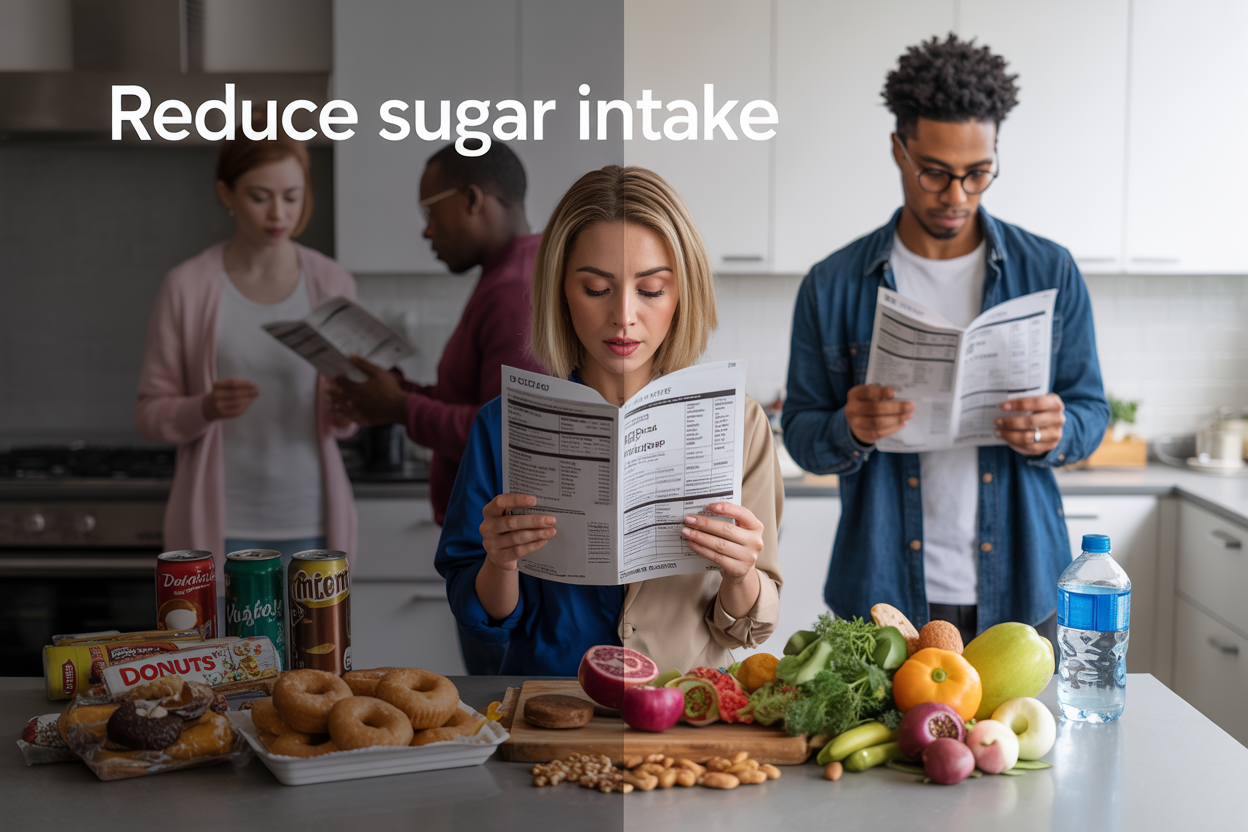
Cut Sugar From Your Diet: A Practical Guide to Breaking Free From Sweet Addiction
Too much sugar is sabotaging your health goals, energy levels, and waistline. If you're tired of sugar cravings controlling your day and want to reduce sugar intake without feeling deprived, this guide is for you.
Whether you're dealing with afternoon energy crashes, struggling to lose weight, or simply want to eat cleaner, cutting back on sugar doesn't have to mean giving up everything you love. Many people don't realize how much hidden sugar lurks in everyday foods like salad dressings, pasta sauces, and supposedly "healthy" granola bars.
We'll walk you through spotting hidden sugar foods in your pantry, finding healthy sugar alternatives that actually taste good, and handling those inevitable sugar cravings when they hit. You'll also learn practical sugar free meal prep strategies and get real-world tips for sticking with your low sugar diet long-term.
Ready to take control of your sweet tooth? Let's dig into the simple changes that make the biggest difference.
Identify Hidden Sugar Sources in Your Daily Diet

Decode misleading food labels and marketing terms
Food manufacturers have mastered the art of disguising sugar content through clever labeling and marketing tactics. When you see "no added sugar" on a package, it doesn't mean the product is sugar-free – it simply means manufacturers didn't add extra sugar beyond what naturally occurs in the ingredients. Products labeled "natural" or "organic" can still pack hefty amounts of sugar, whether from organic cane sugar, fruit concentrates, or honey.
Watch out for sneaky terms like "evaporated cane juice," "fruit juice concentrate," "brown rice syrup," and "coconut nectar" – these are all forms of added sugar dressed up in healthier-sounding names. The ingredient list reveals the truth: ingredients are listed by weight from highest to lowest, so if any form of sugar appears in the first few ingredients, that product likely contains significant amounts.
Marketing phrases like "lightly sweetened," "reduced sugar," or "less sweet" can be misleading too. A "reduced sugar" product might still contain substantial amounts compared to whole, unprocessed foods. Always flip to the nutrition facts panel and look at the "added sugars" line, which became mandatory on U.S. food labels in recent years.
Recognize sugar disguises in processed foods
The food industry uses over 60 different names for sugar, making it challenging to reduce sugar intake effectively. Beyond obvious terms like sucrose, glucose, and fructose, manufacturers employ scientific-sounding names that fly under most consumers' radar. Dextrose, maltodextrin, and barley malt extract all break down into sugar in your body.
Syrups present another category of hidden sugar foods: corn syrup, high-fructose corn syrup, maple syrup, agave syrup, and brown rice syrup all contribute to your daily sugar consumption. Even seemingly healthy options like date syrup, coconut sugar, and turbinado sugar affect blood glucose levels similarly to regular table sugar.
Processed foods often contain multiple sugar sources to avoid listing sugar as the primary ingredient. A single product might include high-fructose corn syrup, dextrose, and fruit juice concentrate – when combined, these could represent the largest ingredient by weight. Breakfast cereals, flavored yogurts, granola bars, and even whole grain breads frequently employ this tactic.
Spot unexpected sugar in savory items
Sugar hides in places you'd never expect, particularly in savory processed foods where it serves as a flavor enhancer and preservative. Pasta sauces, salad dressings, and condiments like ketchup, barbecue sauce, and teriyaki sauce contain surprising amounts of added sugars. Even a single tablespoon of ketchup delivers about one teaspoon of sugar.
Bread products, including seemingly healthy whole wheat varieties, often contain sugar or high-fructose corn syrup to improve texture and extend shelf life. Crackers, pretzels, and flavored nuts frequently include added sugars. Canned soups, particularly tomato-based varieties, use sugar to balance acidity and enhance flavor.
Restaurant foods present another challenge for those looking to cut sugar from diet. Salad dressings, marinades, and glazes used in restaurant kitchens typically contain substantial amounts of sugar. Asian cuisines often incorporate sweet elements in savory dishes, while American restaurant chains add sugar to items like french fries and hamburger buns to enhance taste and create that signature flavor profile customers crave.
Calculate your current daily sugar consumption
Understanding your baseline sugar intake requires careful tracking and honest assessment of your eating patterns. The American Heart Association recommends limiting added sugars to 25 grams (6 teaspoons) daily for women and 36 grams (9 teaspoons) for men. Most Americans consume double or triple these amounts without realizing it.
Start by keeping a detailed food diary for one week, noting everything you eat and drink. Use nutrition labels to identify added sugar content, paying attention to serving sizes since many packages contain multiple servings. A 20-ounce soda contains about 65 grams of sugar – more than double the daily recommended limit in a single drink.
Create a simple tracking system using your smartphone or a notebook. List common foods you eat regularly and their sugar content per serving:
| Food Item | Serving Size | Added Sugar (grams) |
|---|---|---|
| Flavored yogurt | 1 cup | 19-29g |
| Granola bar | 1 bar | 7-12g |
| Sports drink | 20 oz | 34g |
| Flavored coffee drink | 16 oz | 25-45g |
| Breakfast cereal | 1 cup | 9-12g |
Don't forget beverages, which often represent the largest source of added sugars in American diets. Fruit juices, even 100% varieties, contain natural sugars that affect blood glucose similarly to added sugars. Specialty coffee drinks, energy drinks, and even seemingly healthy smoothies can contain 30-60 grams of sugar per serving.
Master Simple Sugar Substitution Strategies
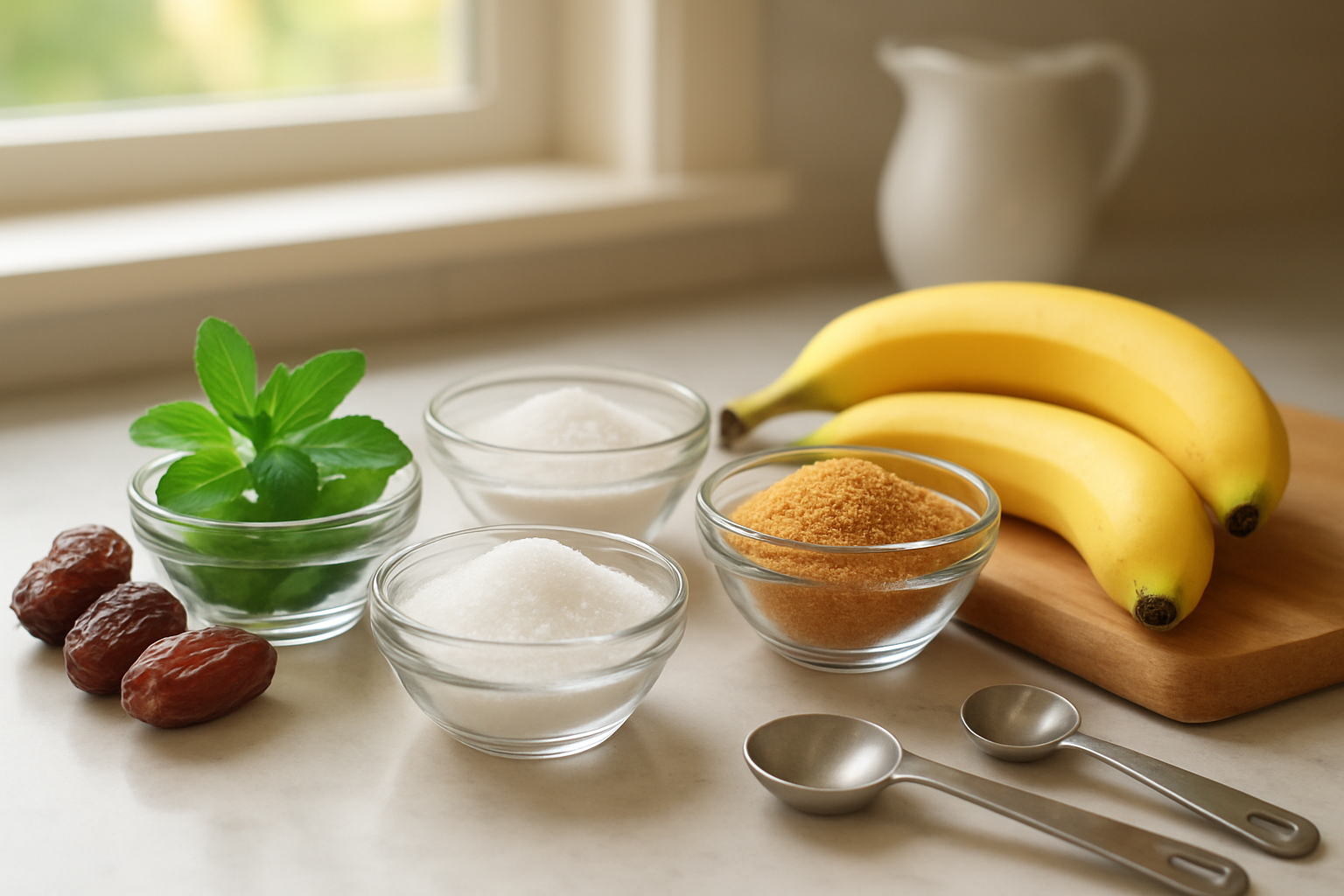
Replace sugary drinks with flavorful alternatives
Your daily beverage choices offer one of the quickest wins when you want to reduce sugar intake. A single 12-ounce soda contains about 39 grams of sugar, while flavored coffee drinks can pack up to 50 grams. Swapping these drinks creates immediate impact without feeling deprived.
Start with sparkling water infused with fresh fruit slices, herbs like mint or basil, or a splash of 100% fruit juice. Cucumber-lime combinations provide refreshing complexity, while frozen berries add natural sweetness as they thaw. Herbal teas served cold with lemon create satisfying alternatives that actually hydrate your body.
For coffee lovers, gradually reduce added sugar by half each week until you appreciate the natural coffee flavors. Cold brew naturally tastes less bitter than hot coffee, making the transition easier. Add cinnamon, vanilla extract, or unsweetened cocoa powder for flavor depth without sugar spikes.
| Sugary Drink | Sugar Content | Smart Alternative | Sugar Content |
|---|---|---|---|
| Regular Soda | 39g | Sparkling water + fruit | 0-5g |
| Sweet Tea | 32g | Unsweetened tea + lemon | 0g |
| Energy Drink | 27g | Green tea + mint | 0g |
| Fruit Punch | 24g | Water + fresh berries | 3-6g |
Water doesn't have to be boring. Invest in a good water bottle and experiment with natural flavor combinations that make hydration enjoyable rather than a chore.
Transform your breakfast routine for sustained energy
Traditional breakfast foods often trigger sugar cravings that last all day. Cereals, pastries, and flavored yogurts create blood sugar spikes followed by crashes that leave you reaching for more sugar by mid-morning. Building protein-rich breakfasts stabilizes energy levels and reduces sugar cravings naturally.
Eggs provide complete protein that keeps you satisfied for hours. Scramble them with vegetables, make veggie-packed omelets, or prepare hard-boiled eggs in batches for grab-and-go convenience. Greek yogurt contains twice the protein of regular yogurt - choose plain varieties and add fresh berries, chopped nuts, or a sprinkle of cinnamon for natural sweetness.
Overnight oats made with steel-cut oats, chia seeds, and unsweetened plant milk create filling breakfasts when topped with sliced apples or mashed banana. The fiber content slows sugar absorption, preventing energy crashes.
Quick breakfast swaps that cut sugar:
-
Replace fruit juice with whole fruit and water
-
Choose plain oatmeal over flavored packets, add fresh fruit
-
Swap flavored yogurt for Greek yogurt with berries
-
Trade breakfast pastries for avocado toast on whole grain bread
-
Replace sugary granola with nuts and seeds
Preparation makes success easier. Spend Sunday evening washing berries, chopping vegetables, and mixing overnight oat combinations. Having healthy options ready prevents those rushed mornings when sugary convenience foods feel like the only option.
Satisfy sweet cravings with natural alternatives
Sweet cravings don't disappear overnight, but you can retrain your taste buds by choosing healthy sugar alternatives that provide satisfaction without the blood sugar rollercoaster. Understanding what triggers your sweet tooth helps you respond with better choices.
Fresh and frozen fruits deliver natural sweetness plus fiber, vitamins, and minerals that processed sugar lacks. Dates provide intense sweetness and work brilliantly in homemade energy balls mixed with nuts and cocoa powder. Frozen grapes taste like natural candy, while baked apples with cinnamon create dessert-like satisfaction.
Dark chocolate with 70% cacao or higher contains less sugar than milk chocolate and provides antioxidants. A small square often satisfies cravings better than larger amounts of sweeter alternatives. Pair it with nuts for protein that extends satisfaction.
Natural sweeteners that work well in moderation:
-
Stevia: Plant-based, zero calories, very sweet so use sparingly
-
Monk fruit: Natural, zero calories, doesn't affect blood sugar
-
Raw honey: Contains enzymes and antioxidants, use small amounts
-
Pure maple syrup: Contains minerals, strong flavor means less needed
Create your own trail mix with raw nuts, seeds, and a small amount of dried fruit without added sugar. This combination provides protein, healthy fats, and natural sweetness that sustains energy better than candy or cookies.
When cravings hit hard, drink water first - dehydration often masquerades as hunger or sweet cravings. Then try brushing your teeth, taking a short walk, or calling a friend. These simple actions often let intense cravings pass naturally.
Overcome Sugar Withdrawal and Cravings Effectively

Navigate the first week of reduced sugar intake
The initial week of sugar reduction brings predictable challenges that can derail your best intentions. Your body begins experiencing sugar withdrawal symptoms within 24-48 hours, including headaches, fatigue, mood swings, and intense cravings. These sugar withdrawal symptoms peak around day three and gradually subside by day seven.
Prepare for this transition by staying hydrated with at least eight glasses of water daily, as dehydration amplifies withdrawal discomfort. Keep your blood sugar stable by eating protein-rich meals every 3-4 hours. Foods like Greek yogurt, nuts, lean meats, and eggs help prevent the energy crashes that trigger sugar cravings.
Sleep becomes crucial during this period. Aim for 7-8 hours nightly, as sleep deprivation increases cortisol levels and intensifies your desire for quick energy from sugar. Light exercise like walking or gentle yoga releases endorphins that naturally boost mood without reaching for sweets.
Stock your kitchen with satisfying alternatives before starting. Fresh berries, apple slices with almond butter, or herbal teas can satisfy your sweet tooth without derailing progress. Remove tempting processed foods from easily accessible spots to reduce impulsive eating.
Implement mindful eating techniques for craving control
Mindful eating transforms your relationship with food by creating awareness around eating habits and emotional triggers. When sugar cravings hit, pause for thirty seconds before acting. This brief delay activates your prefrontal cortex, allowing rational thinking to override impulsive desires.
Practice the "HALT" method when cravings strike: ask yourself if you're Hungry, Angry, Lonely, or Tired. True hunger requires balanced nutrition, while other states need different solutions. Angry feelings might call for stress-relief activities, loneliness might need social connection, and tiredness requires rest rather than sugar.
Use sensory awareness during meals by eating without distractions like phones or television. Chew slowly and notice flavors, textures, and how different foods make you feel. This practice naturally reduces overeating and helps identify which foods truly satisfy versus those that trigger more cravings.
The "5-4-3-2-1" grounding technique works effectively during intense cravings. Identify 5 things you can see, 4 things you can touch, 3 things you can hear, 2 things you can smell, and 1 thing you can taste. This redirects attention away from cravings while the intensity naturally diminishes.
Build supportive habits to prevent sugar relapse
Creating sustainable habits requires replacing sugar-dependent routines with healthier alternatives. Map out your daily sugar consumption patterns to identify high-risk situations. Many people consume sugar during afternoon energy dips, after stressful workdays, or during social gatherings.
Establish non-food rewards for stress relief and celebration. Replace the afternoon candy bar with a five-minute walk outside or listening to your favorite song. Celebrate achievements with activities like buying fresh flowers, taking a relaxing bath, or calling a friend rather than dessert.
Meal prep becomes your strongest defense against impulsive sugar consumption. Prepare healthy sugar alternatives and low sugar diet options on weekends when you have more time and mental energy. Pre-cut vegetables with hummus, homemade energy balls using dates and nuts, or sugar-free meal prep containers prevent last-minute poor choices.
Build accountability through social support. Share your sugar reduction goals with family or friends who can offer encouragement during challenging moments. Consider joining online communities focused on healthy eating or finding a buddy with similar goals.
| High-Risk Situation | Alternative Habit | Preparation Needed |
|---|---|---|
| Afternoon energy crash | Protein snack + short walk | Keep nuts/seeds at desk |
| Evening TV watching | Herbal tea + fruit | Stock caffeine-free teas |
| Social gatherings | Bring healthy dish | Plan ahead with host |
| Work stress | 5-minute meditation | Download mindfulness app |
Recognize emotional eating triggers and responses
Emotional eating often masquerades as physical hunger, making it challenging to reduce sugar intake effectively. Learn to distinguish between physical hunger (gradual onset, stomach growling, satisfied by various foods) and emotional hunger (sudden onset, specific food cravings, eating despite fullness).
Common emotional triggers include stress, boredom, sadness, anxiety, and even positive emotions like celebration. Keep a simple food and mood journal for one week, noting what you eat, when you eat it, and how you're feeling. Patterns emerge quickly, revealing your personal trigger foods and emotional states.
Develop alternative coping strategies for each identified trigger. Stress might respond better to deep breathing exercises, while boredom might need engaging activities like calling a friend or starting a creative project. Sadness often requires comfort and connection rather than food-based soothing.
Create physical distance between yourself and trigger foods during vulnerable emotional states. When upset, leave the kitchen and go to another room. Set a timer for ten minutes and engage in a different activity. Often, the emotional intensity passes, taking the food craving with it.
Practice self-compassion when you do eat emotionally. Harsh self-criticism creates shame cycles that often lead to more emotional eating. Instead, acknowledge the slip-up as information about your needs and adjust your approach going forward. This gentle response helps maintain long-term progress on your sugar detox journey.
Plan and Prepare Sugar-Smart Meals and Snacks
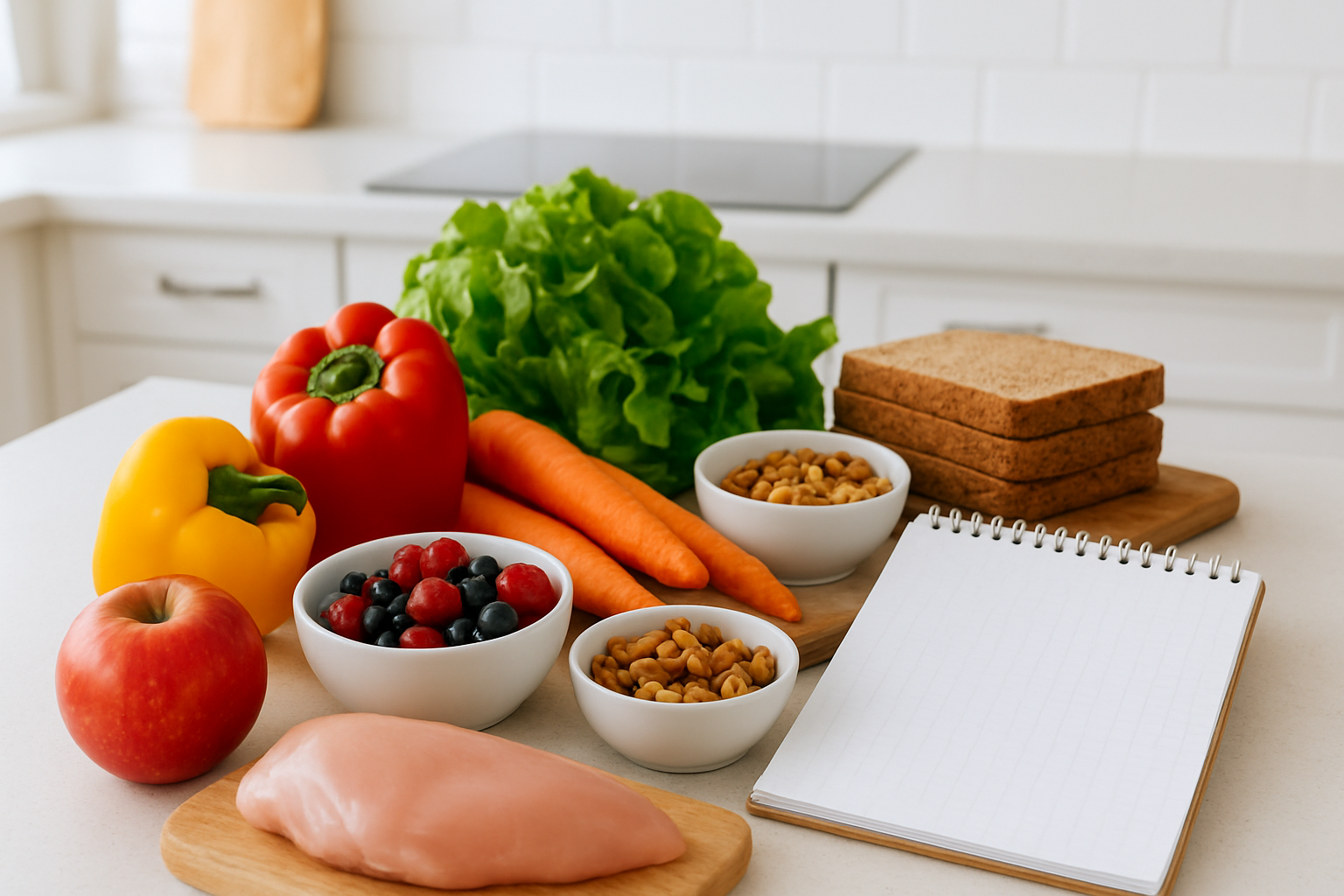
Stock your kitchen with low-sugar essentials
Creating a sugar-smart kitchen starts with filling your pantry, fridge, and freezer with ingredients that naturally reduce sugar intake while keeping meals delicious and satisfying. Focus on whole foods that haven't been processed or had sugar added during manufacturing.
Essential Pantry Items:
-
Nuts, seeds, and nut butters (choose unsweetened varieties)
-
Canned beans and lentils (rinse to reduce sodium)
-
Steel-cut oats and quinoa
-
Extra virgin olive oil and avocado oil
-
Vinegars (apple cider, balsamic, red wine)
-
Herbs and spices (cinnamon, vanilla extract, turmeric)
-
Canned tomatoes with no sugar added
Refrigerator Staples:
-
Fresh vegetables and leafy greens
-
Lean proteins like chicken, fish, and eggs
-
Greek yogurt (plain, unsweetened)
-
Fresh herbs like basil, cilantro, and parsley
-
Cheese and hummus for protein-rich snacks
Freezer Must-Haves:
-
Frozen vegetables without sauces
-
Frozen berries (perfect for smoothies)
-
Pre-portioned lean meats
-
Homemade soup and stew portions
Replace common high-sugar condiments with healthier alternatives. Swap ketchup for salsa, use mustard instead of sweet barbecue sauce, and choose olive oil-based dressings over creamy, sugar-laden options.
Batch prepare satisfying snacks for busy days
Sugar free meal prep becomes your secret weapon when cravings hit during hectic schedules. Spending just two hours on weekend prep can save you from grabbing sugary convenience foods throughout the week.
High-Protein Snack Prep Ideas:
-
Hard-boiled eggs with everything bagel seasoning
-
Homemade trail mix (nuts, seeds, unsweetened coconut flakes)
-
Hummus paired with pre-cut vegetables
-
Greek yogurt parfaits with berries and chopped nuts
-
Cheese cubes with apple slices
Make-Ahead Energy Bites:
Combine rolled oats, natural almond butter, chia seeds, and a touch of vanilla. Roll into balls and refrigerate. These protein-packed bites satisfy sweet cravings without added sugar.
Vegetable-Based Snacks:
Prepare cucumber rounds topped with avocado and sea salt, or roast chickpeas with cumin and paprika for a crunchy alternative to chips. Keep cut vegetables like carrots, bell peppers, and celery ready for quick snacking.
Portion Control Strategy:
Pre-portion snacks into individual containers or bags. This prevents mindless overeating and makes grabbing a healthy option as convenient as reaching for processed snacks.
Store prepared snacks at eye level in your refrigerator and keep a few options in your work bag or car for emergencies.
Create balanced meals that naturally reduce sugar desires
Building meals around protein, healthy fats, and fiber-rich vegetables creates natural satiety that reduces sugar cravings throughout the day. When your body receives proper nutrition, it stops sending false hunger signals that often lead to sugar binges.
The Perfect Plate Formula:
-
Half your plate: Non-starchy vegetables (broccoli, spinach, zucchini, cauliflower)
-
Quarter of your plate: Lean protein (chicken, fish, tofu, beans)
-
Quarter of your plate: Complex carbohydrates (brown rice, sweet potato, quinoa)
-
Healthy fats: Add olive oil, avocado, nuts, or seeds
Breakfast Combinations That Curb Cravings:
Start your day with protein and healthy fats to maintain stable blood sugar levels. Try scrambled eggs with sautéed vegetables and avocado, or Greek yogurt topped with nuts and berries. Avoid sugary cereals, pastries, and fruit juices that create blood sugar spikes and crashes.
Lunch and Dinner Strategies:
Build meals around a protein source, then add colorful vegetables and a small portion of whole grains. Season generously with herbs and spices rather than sugar-heavy sauces. Roasted vegetables develop natural sweetness that satisfies without added sugar.
Smart Timing:
Eat regular meals every 3-4 hours to prevent blood sugar dips that trigger intense sugar cravings. Include a small amount of protein or healthy fat with each meal to slow digestion and maintain steady energy levels.
Flavor Enhancement:
Use natural flavor boosters like lemon juice, garlic, ginger, and fresh herbs to make meals exciting without reaching for sugary condiments or processed seasonings.
Maintain Long-Term Success with Sustainable Lifestyle Changes

Develop realistic expectations for lasting results
Creating a sustainable low sugar diet requires a mindset shift from quick fixes to gradual, permanent changes. Most people who successfully cut sugar from diet understand that progress happens in waves, not straight lines. You'll have days when sugar cravings feel manageable and others when they seem overwhelming. This is completely normal and doesn't mean you're failing.
Set small, achievable goals rather than dramatic overhauls. Instead of eliminating all hidden sugar foods overnight, focus on reducing one category per week. Maybe you start with sweetened beverages, then move to processed snacks, followed by condiments and sauces. This approach prevents the shock that often leads to sugar withdrawal symptoms and makes the entire process feel more doable.
Expect some backsliding, especially during stressful periods, holidays, or social events. These moments don't erase your progress—they're part of the learning process. The key is getting back on track without guilt or self-criticism.
Track progress beyond the scale for motivation
While weight loss might be one benefit of sugar reduction tips, tracking other improvements keeps you motivated when the scale doesn't budge. Keep a simple journal noting energy levels throughout the day, sleep quality, mood stability, and skin clarity. Many people notice these changes before any weight shifts occur.
Create a weekly check-in system that includes:
-
Energy levels (1-10 scale)
-
Sleep quality and duration
-
Mood fluctuations
-
Digestive health
-
Sugar craving intensity
-
Focus and mental clarity
Taking monthly photos can reveal changes in facial bloating or skin texture that numbers on a scale miss. Some people notice their clothes fit differently even when weight stays the same, as reducing inflammation from excess sugar can decrease bloating.
Consider tracking your grocery shopping habits too. Notice how your cart gradually fills with more whole foods and fewer processed items containing hidden sugars. This visual representation of changing habits can be incredibly motivating.
Build a support system for accountability
Surrounding yourself with people who understand your goals makes sugar detox significantly easier. Share your intentions with family members and close friends, explaining why you're making these changes and how they can help. This might mean asking them not to offer you sugary treats or requesting they join you in preparing sugar-free meal prep options.
Find an accountability partner who's also working on health goals, even if theirs differs from yours. Check in weekly to share challenges, victories, and strategies. Online communities focused on healthy sugar alternatives and low sugar diets can provide 24/7 support when cravings hit hard.
Consider involving your healthcare provider, especially if you're dealing with diabetes, metabolic syndrome, or other health conditions. They can offer medical perspective on your progress and suggest modifications when needed.
Professional support through a nutritionist or dietitian familiar with sugar reduction can be invaluable, particularly during the first few months when you're learning to identify hidden sugar foods and master new cooking techniques.
Celebrate milestones without sugar-based rewards
Breaking the cycle of using food as celebration requires creativity, but it opens up a world of more meaningful rewards. When you hit a milestone—like completing your first month of reduced sugar intake or successfully navigating a social event—celebrate in ways that support your new lifestyle.
Non-food celebration ideas include:
-
Treating yourself to a massage or spa service
-
Buying new workout clothes or kitchen gadgets
-
Taking a day trip to explore a new hiking trail
-
Purchasing that book you've wanted to read
-
Scheduling a movie night with friends
-
Investing in a cooking class to learn new healthy recipes
Create a milestone reward list before you need it. When you're feeling proud of your progress, you won't default to old patterns of celebrating with sweets. Some people create a jar where they add money each time they resist a sugar craving, eventually using the saved funds for a bigger celebration.
Adapt your approach for different life situations
Life changes, and your approach to managing sugar intake needs flexibility to survive transitions. Travel, new jobs, relationship changes, moving, illness, or family stress all require strategic adjustments to maintain progress without abandoning your goals entirely.
For travel, research restaurant menus in advance and pack appropriate snacks. Hotel rooms with mini-fridges allow you to store fresh fruit, nuts, and other healthy sugar alternatives. Don't aim for perfection during travel—aim for awareness and damage control.
During high-stress periods, prepare by having emergency sugar-free options readily available. Stress often triggers intense sugar cravings, so having pre-portioned nuts, hard-boiled eggs, or homemade energy balls prevents impulsive choices.
Major life transitions might require temporarily loosening your rules while maintaining awareness. Moving to a new city might mean exploring local grocery stores and restaurants to find your new go-to options. Starting a demanding new job might require simpler meal planning until your routine stabilizes.
Seasonal adjustments matter too. Holiday strategies might include bringing your own healthy desserts to gatherings or eating a protein-rich snack before parties to reduce temptation. Summer barbecues and winter comfort food seasons each present unique challenges that benefit from specific preparation.
The goal isn't rigidity—it's building a flexible framework that adapts to real life while keeping you connected to your health goals.
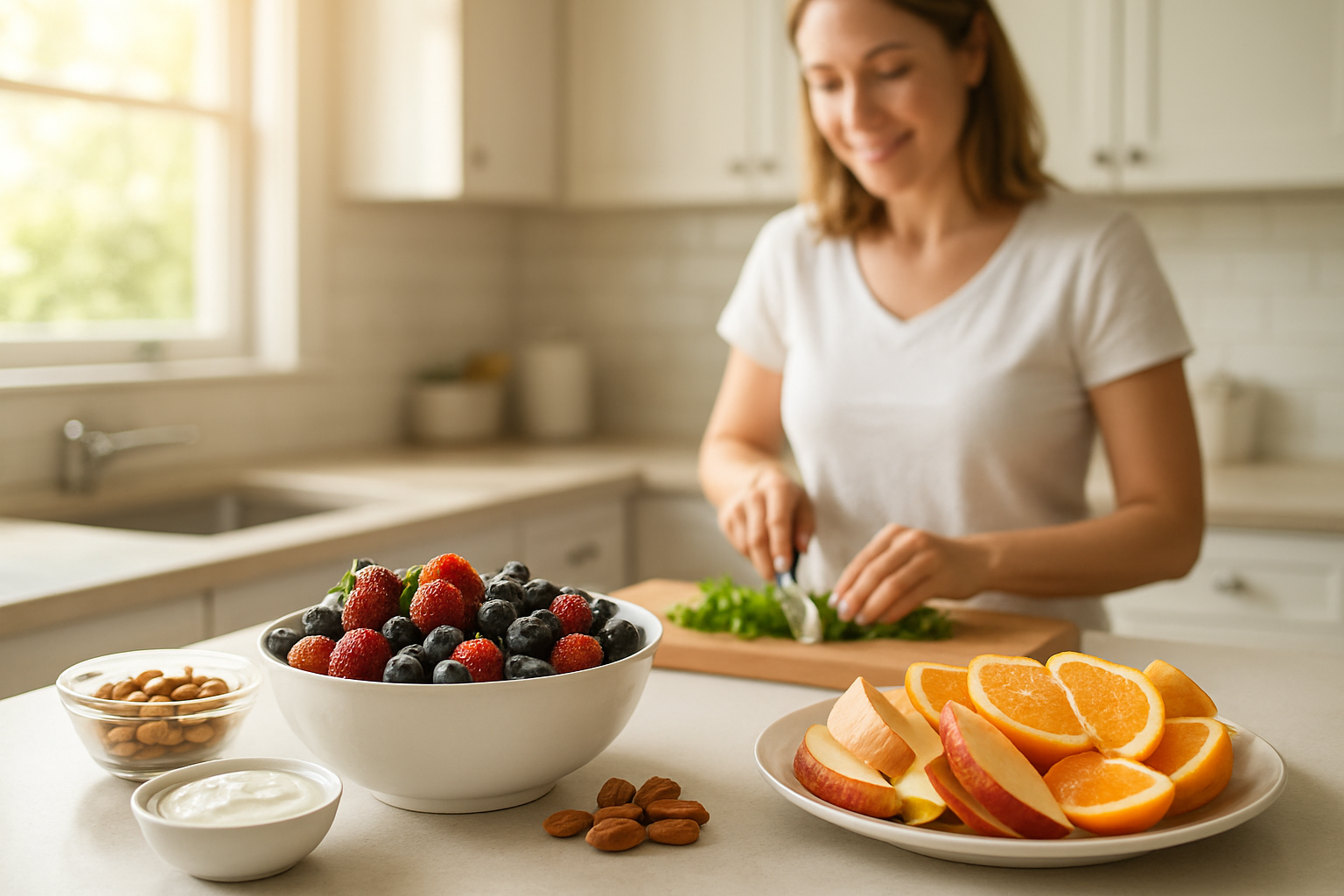
Spotting hidden sugars in everyday foods, swapping them for healthier alternatives, and managing those tough cravings are the building blocks of successfully cutting back on sugar. When you combine smart meal planning with practical substitution strategies, you create a roadmap that actually works in real life, not just on paper.
The key to lasting change lies in taking small, manageable steps rather than making drastic overnight changes. Start by reading labels more carefully, keep healthy snacks within reach, and remember that sugar cravings will fade as your taste buds adjust. Focus on progress, not perfection – every small choice to reduce sugar adds up to significant improvements in your energy levels, health, and overall well-being.
Comments
Post a Comment