posture improvement, posture correction exercises, improve posture at home, SMART posture goals, posture assessment techniques, daily posture routine, ergonomic workspace setup, posture tracking methods, better posture habits, posture enhancement plan
Posture improvement goals
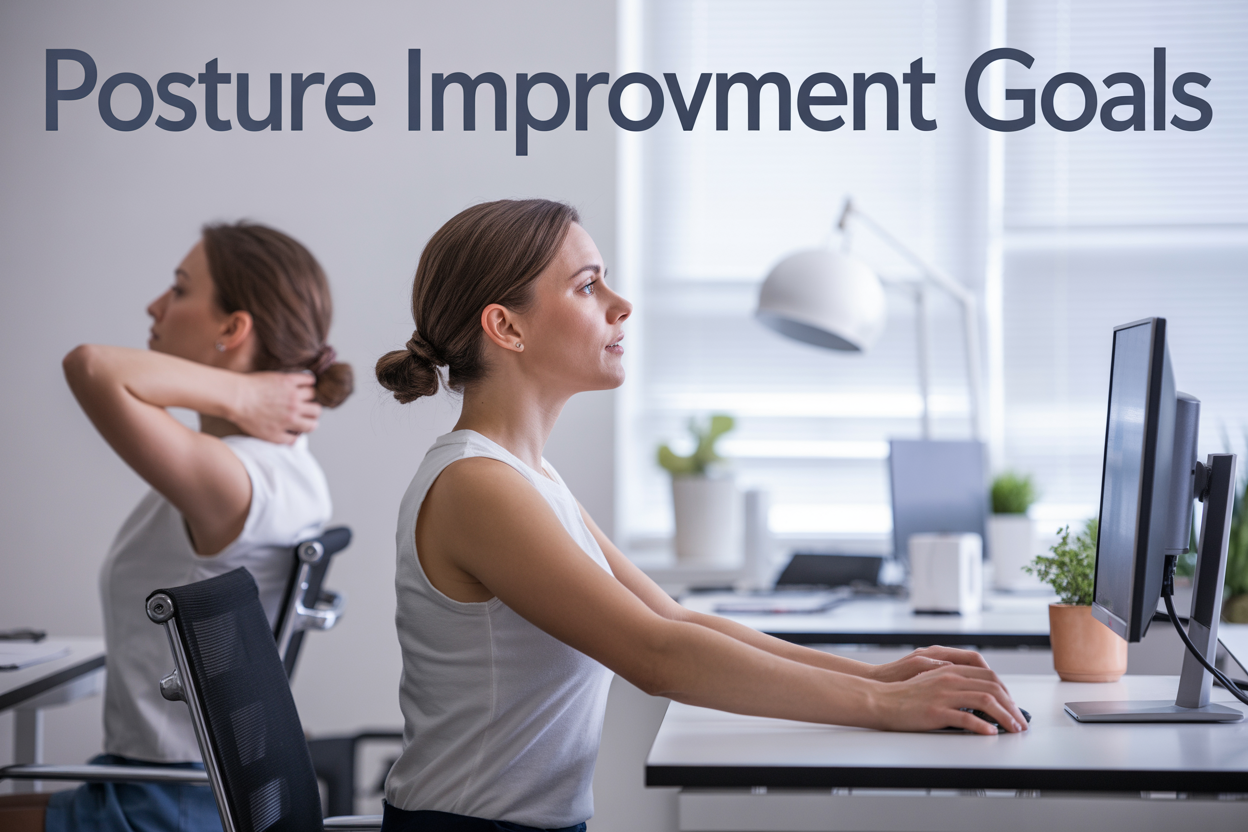
Poor posture affects millions of people who spend hours hunched over computers, looking down at phones, or sitting incorrectly throughout their day. This guide is for anyone ready to take control of their posture improvement journey, from office workers dealing with neck pain to students wanting to build better habits early.
Setting effective posture improvement goals requires more than just reminding yourself to "sit up straight." You need a structured approach that creates lasting change. We'll walk through how to assess where you stand right now with simple posture assessment techniques you can do at home. Then we'll cover creating SMART posture goals that actually stick, plus building a daily posture routine that fits seamlessly into your existing schedule.
You'll also discover how to set up an ergonomic workspace that supports your progress automatically and learn practical posture tracking methods to measure your improvements over time. By the end, you'll have a complete posture enhancement plan that transforms how you carry yourself every single day.
Assess Your Current Posture Status

Identify Common Posture Problems Affecting Your Daily Life
Poor posture manifests in several recognizable patterns that impact your body from head to toe. Forward head posture, where your chin juts out beyond your shoulders, often develops from excessive screen time and creates neck strain. Rounded shoulders accompany this condition, pulling your shoulder blades apart and creating that hunched appearance. Your upper back may develop an excessive curve, known as kyphosis, while your lower back either loses its natural curve or becomes overly arched.
Sitting for extended periods frequently leads to hip flexor tightness and weak glutes, creating an anterior pelvic tilt. This tilted pelvis position affects your entire spine's alignment and can cause lower back discomfort. Many people also develop uneven shoulder heights from carrying bags on one side or favoring certain sleeping positions.
Recognize Warning Signs Your Body Is Sending You
Your body communicates posture problems through various signals that shouldn't be ignored. Frequent headaches, especially tension headaches, often stem from neck and shoulder misalignment. Chronic neck stiffness or pain indicates your cervical spine is working overtime to support improper head positioning.
Upper back tension and shoulder blade pain signal muscle imbalances from rounded shoulders. Lower back aches, particularly after sitting or standing for long periods, suggest spinal alignment issues. You might notice increased fatigue because poor posture forces your muscles to work harder to maintain balance.
Breathing difficulties can also indicate posture problems. When your chest caves inward, your diaphragm can't function optimally, leading to shallow breathing patterns. Joint stiffness in the morning or after periods of inactivity often reflects chronic postural stress on your musculoskeletal system.
Document Your Baseline Measurements and Pain Points
Creating a comprehensive posture assessment requires systematic documentation of your current condition. Use posture assessment techniques to measure specific angles and distances. Record your head position by measuring the horizontal distance between your ear and shoulder when viewed from the side - this reveals forward head posture severity.
Measure shoulder height differences by standing against a wall and noting any asymmetry. Document hip alignment by checking if your pelvis tilts forward or backward. Record any areas of pain or discomfort on a scale of 1-10, noting when these symptoms occur throughout your day.
Create a daily pain log tracking:
-
Time of day symptoms appear
-
Activities that worsen or improve discomfort
-
Duration of pain episodes
-
Specific body areas affected
-
Environmental factors (chair type, workspace setup)
Take Photos to Track Visual Progress Over Time
Visual documentation provides powerful motivation and objective progress tracking for your posture improvement journey. Take standardized photos from multiple angles to establish your baseline posture status.
Set up your photography station with consistent lighting and background. Use these angles:
Side View (Profile):
-
Stand naturally against a wall with minimal clothing
-
Capture from ear to ankle
-
Shows forward head posture and spinal curves
Front View:
-
Reveals shoulder height differences
-
Shows hip alignment
-
Displays overall body symmetry
Back View:
-
Documents shoulder blade positioning
-
Shows spinal alignment
-
Reveals muscle development imbalances
Take photos weekly at the same time of day, wearing similar clothing. Store images chronologically to create a visual timeline of your progress. This documentation becomes invaluable when adjusting your improvement strategy and celebrating milestones in your posture enhancement plan.
Set SMART Posture Improvement Targets
Define specific postural changes you want to achieve
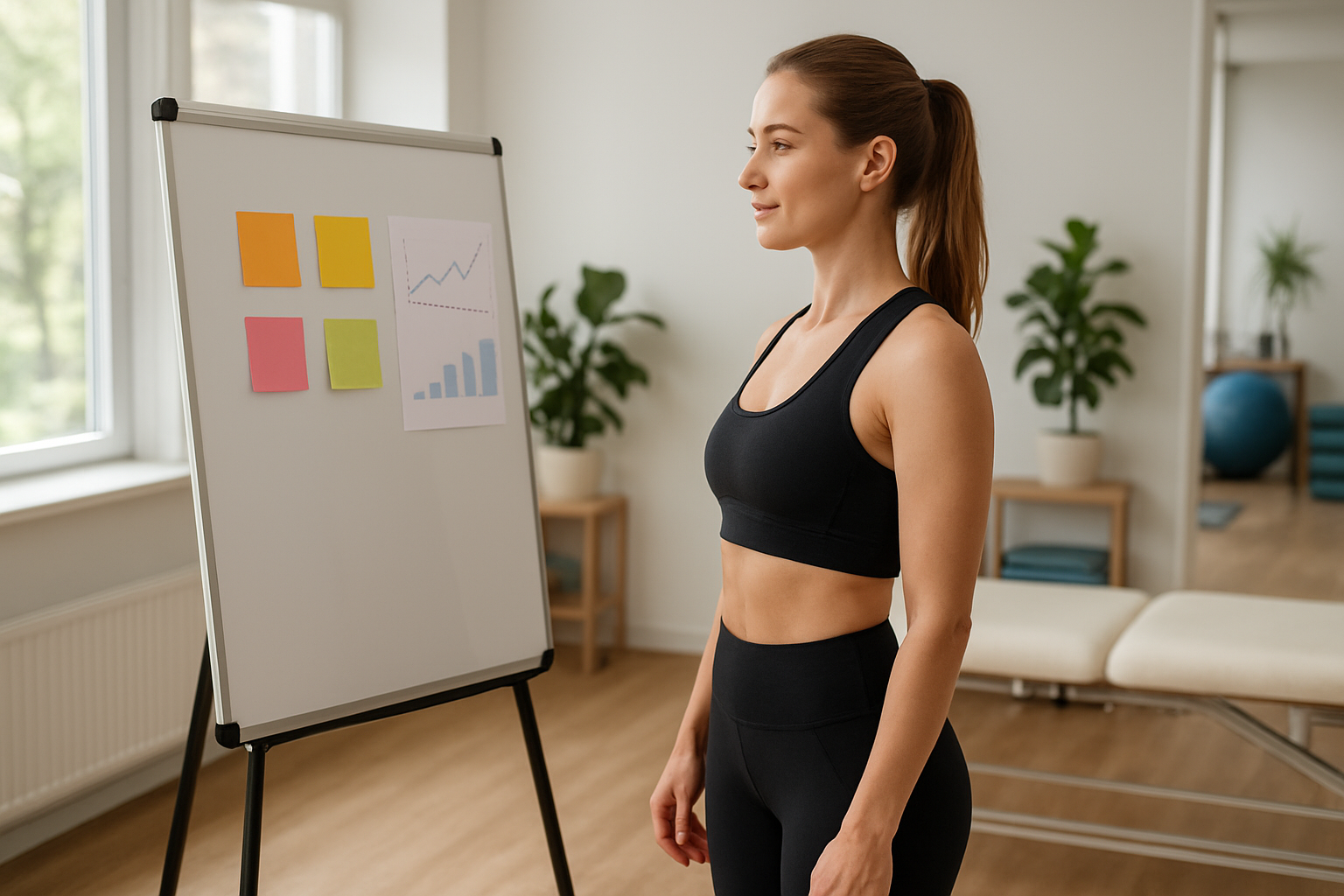
Start by pinpointing exactly what needs fixing in your posture. Instead of saying "I want better posture," drill down to specifics like "I want to reduce my forward head position by 2 inches" or "I want to eliminate the rounded shoulder slouch when sitting at my desk." Take photos from the side view to document your current stance and circle the areas that need attention.
Common SMART posture goals include straightening your neck alignment, pulling shoulders back and down, strengthening your core to support your spine, and improving hip positioning while standing. Write down three specific postural changes that matter most to your daily comfort and appearance. These targeted goals give you clear direction for your posture improvement plan.
Establish measurable milestones for tracking success
Transform vague wishes into concrete numbers you can track. Measure the distance your head sits forward from your shoulders, count how many minutes you can maintain proper sitting posture without slouching, or track how many posture correction exercises you complete each week.
Create a simple tracking system using these measurable markers:
-
Posture breaks taken daily: Aim for every 30-60 minutes
-
Exercise completion rate: Target 5-6 days per week
-
Pain reduction scale: Rate discomfort from 1-10 weekly
-
Postural awareness checks: Note how often you catch yourself slouching
Document these numbers in a notebook or smartphone app. Weekly progress photos from the same angle help you see physical changes that numbers alone might miss. Set monthly check-ins to review your measurements and adjust your targets based on real progress.
Create realistic timelines for lasting transformation
Your posture didn't decline overnight, and it won't improve instantly either. Most people see initial improvements in 2-3 weeks with consistent daily effort, while significant structural changes typically take 2-3 months. Breaking your journey into phases prevents overwhelm and maintains motivation.
Phase 1 (Weeks 1-4): Build awareness and establish daily habits
Phase 2 (Weeks 5-8): Strengthen supporting muscles and improve flexibility
Phase 3 (Weeks 9-12): Fine-tune positioning and make lasting corrections
Allow yourself grace during this process. Some days will be better than others, and that's completely normal. Focus on consistency over perfection, aiming for 80% adherence to your daily posture routine rather than demanding flawless execution every single day.
Identify accountability partners to support your journey
Pick someone who will genuinely support your posture improvement goals without judgment. This could be a family member, workout buddy, or colleague who shares similar health objectives. Your accountability partner doesn't need to be an expert – they just need to care about your success and be willing to check in regularly.
Set up specific ways your partner can help:
-
Weekly progress check-ins via text or phone calls
-
Gentle reminders about posture during conversations
-
Exercise session companions for motivation
-
Celebrating milestones together when you hit targets
Consider joining online communities focused on posture enhancement or ergonomic workspace setup where you can share progress photos, ask questions, and learn from others on similar journeys. Having multiple sources of support increases your chances of sticking with your posture improvement plan long-term.
Design Your Daily Posture Enhancement Routine
Master Fundamental Alignment Exercises for Immediate Relief
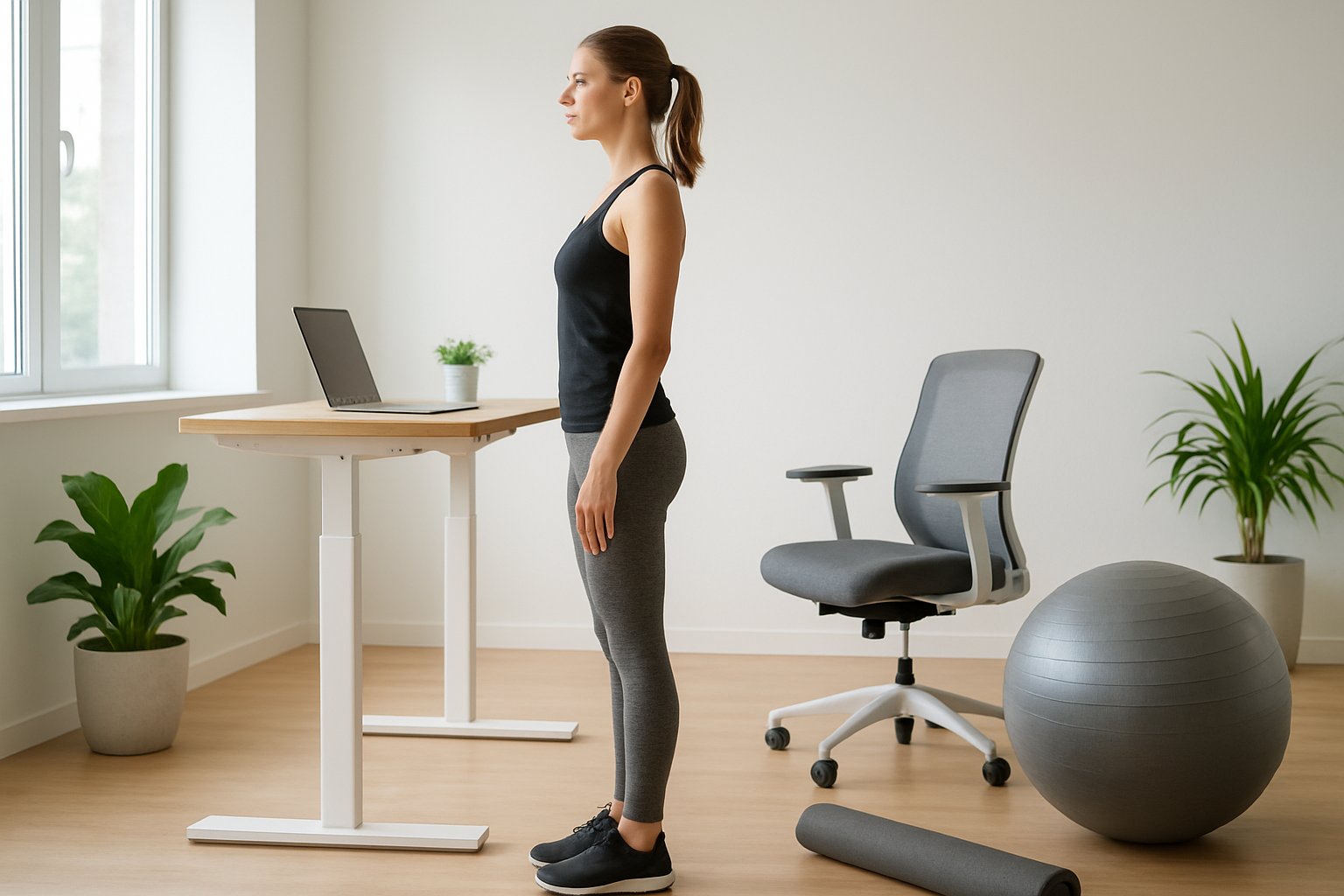
Your daily posture routine starts with simple yet powerful alignment exercises that provide quick relief from tension and strain. These foundational movements reset your body's natural positioning and create awareness of proper alignment throughout your spine.
Begin each morning with wall angels – stand with your back against a wall, arms at 90 degrees, and slowly move them up and down while keeping contact with the surface. This exercise activates your posterior deltoids and rhomboids while stretching tight chest muscles. Follow this with chin tucks, pulling your head back to create a double chin effect, which counteracts forward head posture from screen time.
The cat-cow stretch works wonders for spinal mobility. Start on hands and knees, alternate between arching and rounding your back slowly and deliberately. This movement lubricates spinal joints and helps you feel the difference between good and poor positioning.
Doorway chest stretches target the pectoralis muscles that often become tight from hunching forward. Place your forearm against a doorframe and step forward, holding for 30 seconds on each side. These posture correction exercises can be done anywhere and provide almost instant relief from upper back tension.
Incorporate Strengthening Movements for Long-Term Stability
Building strength in key muscle groups creates the foundation for lasting posture improvement. Your routine should target the deep core muscles, upper back, and glutes – the powerhouse trio that maintains proper spinal alignment under stress.
Planks form the cornerstone of core strengthening. Start with 20-30 second holds and gradually increase duration. Dead bugs and bird dogs add dynamic stability training, teaching your core to maintain neutral spine position while moving your limbs. These exercises translate directly to better posture during daily activities.
Upper back strengthening focuses on the rhomboids, middle trapezius, and rear deltoids. Resistance band pull-aparts are perfect for office settings – simply keep a band at your desk and perform 15-20 reps every few hours. Reverse flies with light weights or resistance bands target the same muscles that pull your shoulders back into proper alignment.
Don't overlook glute strengthening. Weak glutes contribute to anterior pelvic tilt and lower back pain. Bridges, clamshells, and lateral band walks activate these muscles effectively. Strong glutes support your pelvis and create a stable foundation for your entire spine.
| Exercise Type | Target Muscles | Frequency | Duration |
|---|---|---|---|
| Wall Angels | Rear delts, rhomboids | Daily | 2 sets of 10 |
| Planks | Deep core | 4x/week | 20-60 seconds |
| Band Pull-aparts | Mid traps, rhomboids | Daily | 2 sets of 15 |
| Glute Bridges | Glutes, hamstrings | 3x/week | 2 sets of 12 |
Schedule Regular Movement Breaks Throughout Your Workday
Creating better posture habits requires breaking up prolonged sitting and static positions. Your body wasn't designed to hold the same position for hours, so strategic movement breaks prevent muscle fatigue and maintain proper alignment.
Set reminders every 30-45 minutes to stand and move. These breaks don't need to be long – even two minutes of gentle stretching or walking helps reset your posture. Use your phone's timer or computer alerts to build this habit consistently.
Desk-based micro-movements keep your muscles active without leaving your workspace. Shoulder blade squeezes, seated spinal twists, and ankle pumps all contribute to better circulation and muscle activation. Neck rolls and gentle side bends release tension that builds throughout the day.
Walking meetings offer a perfect opportunity to improve posture at home or office while staying productive. Phone calls become movement opportunities instead of sitting sessions. If walking isn't possible, try standing for portions of calls or meetings.
The 20-20-20 rule applies beyond eye health to posture. Every 20 minutes, look at something 20 feet away for 20 seconds while also checking your posture. This simple habit creates awareness and prevents the gradual slouching that happens unconsciously.
Your posture enhancement plan succeeds when movement becomes natural and automatic. Start with just a few breaks per day and gradually increase frequency as the habit strengthens. Small, consistent actions create dramatic improvements over time.
Create an Ergonomic Environment That Supports Success
Optimize your workspace setup for proper spinal alignment
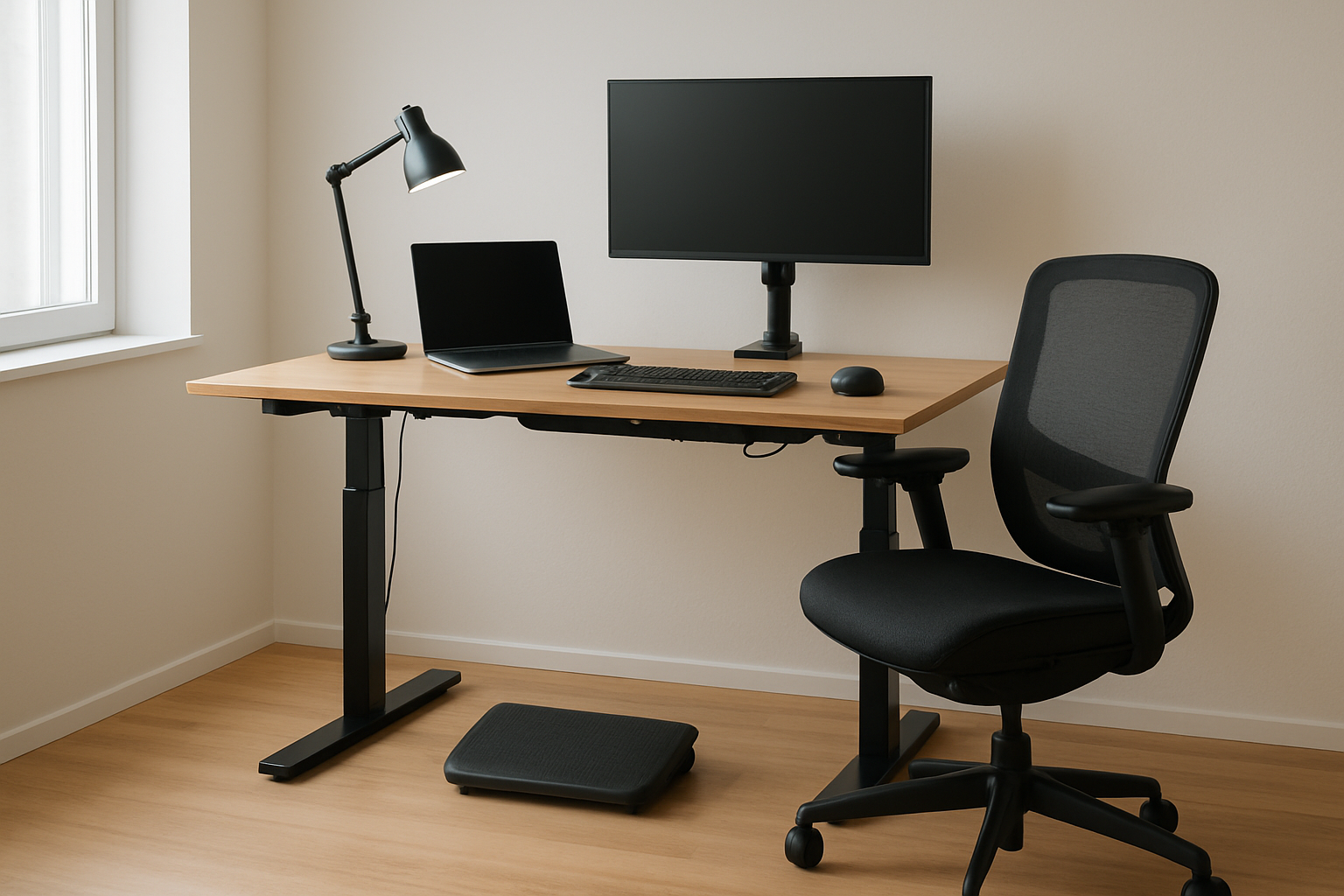
Your desk setup plays a massive role in your posture improvement journey. Start by adjusting your monitor height so the top of the screen sits at or slightly below eye level. This prevents the dreaded forward head posture that plagues millions of desk workers.
Position your keyboard and mouse close enough that your elbows rest at 90 degrees while your shoulders stay relaxed. Your feet should plant firmly on the floor with your knees at roughly the same 90-degree angle. If you're shorter, a footrest works wonders.
The distance between you and your monitor matters too - aim for about arm's length away. This sweet spot reduces eye strain while keeping your neck in a neutral position throughout the workday.
Choose supportive furniture and accessories for better posture
Your chair makes or breaks your ergonomic workspace setup. Look for adjustable lumbar support that fits the natural curve of your lower back. The seat depth should allow 2-3 inches between the back of your knees and the chair edge.
Standing desks deserve serious consideration for your posture enhancement plan. Alternating between sitting and standing every 30-60 minutes keeps your spine mobile and muscles engaged. A good anti-fatigue mat makes standing more comfortable.
Consider these posture-supporting accessories:
-
Document holders that position papers at eye level
-
Ergonomic keyboards that reduce wrist strain
-
Supportive seat cushions for existing chairs
-
Monitor arms for perfect screen positioning
-
Laptop stands paired with external keyboards
Implement technology solutions to remind you of good habits
Modern technology can be your posture coach throughout the day. Posture reminder apps send gentle notifications to check your alignment every 30 minutes. Many smartphones already have built-in activity reminders that work perfectly for this purpose.
Wearable posture devices have become incredibly sophisticated. These small gadgets attach to your back or shoulders and vibrate when you slouch. The immediate feedback helps retrain your muscle memory faster than willpower alone.
Smart watches excel at movement reminders. Set hourly alerts to stand up, stretch, or do quick posture correction exercises. Some fitness trackers even monitor sitting time and encourage regular movement breaks.
Desktop apps can dim your screen or show pop-up reminders at scheduled intervals. The key is finding the right frequency - enough to build awareness without becoming annoying.
Design your living spaces to encourage healthy positioning
Your home environment shapes your posture habits just as much as your office. Replace that sunken couch with one that supports your natural spinal curves. The ideal sofa keeps your hips level with or slightly higher than your knees.
Bedroom posture starts with your mattress and pillow setup. A medium-firm mattress typically provides the best spinal support for most people. Your pillow height should maintain your neck's natural alignment - one pillow usually does the trick for back sleepers, while side sleepers might need two.
Kitchen counter height affects your posture during meal prep. If you're constantly bending over, consider a cutting board that adds height or adjust your stance by placing one foot on a small stool.
TV viewing areas need attention too. Position screens at eye level when you're seated normally. Avoid the temptation to sprawl across furniture in ways that twist your spine. Create designated spots with proper back support for activities like reading, gaming, or scrolling through your phone.
Even bathroom habits matter. Place a small stool by the toilet to elevate your knees above hip level - this promotes better spinal alignment during those daily moments.
Track Progress and Maintain Long-Term Results
Monitor improvements using objective measurement tools
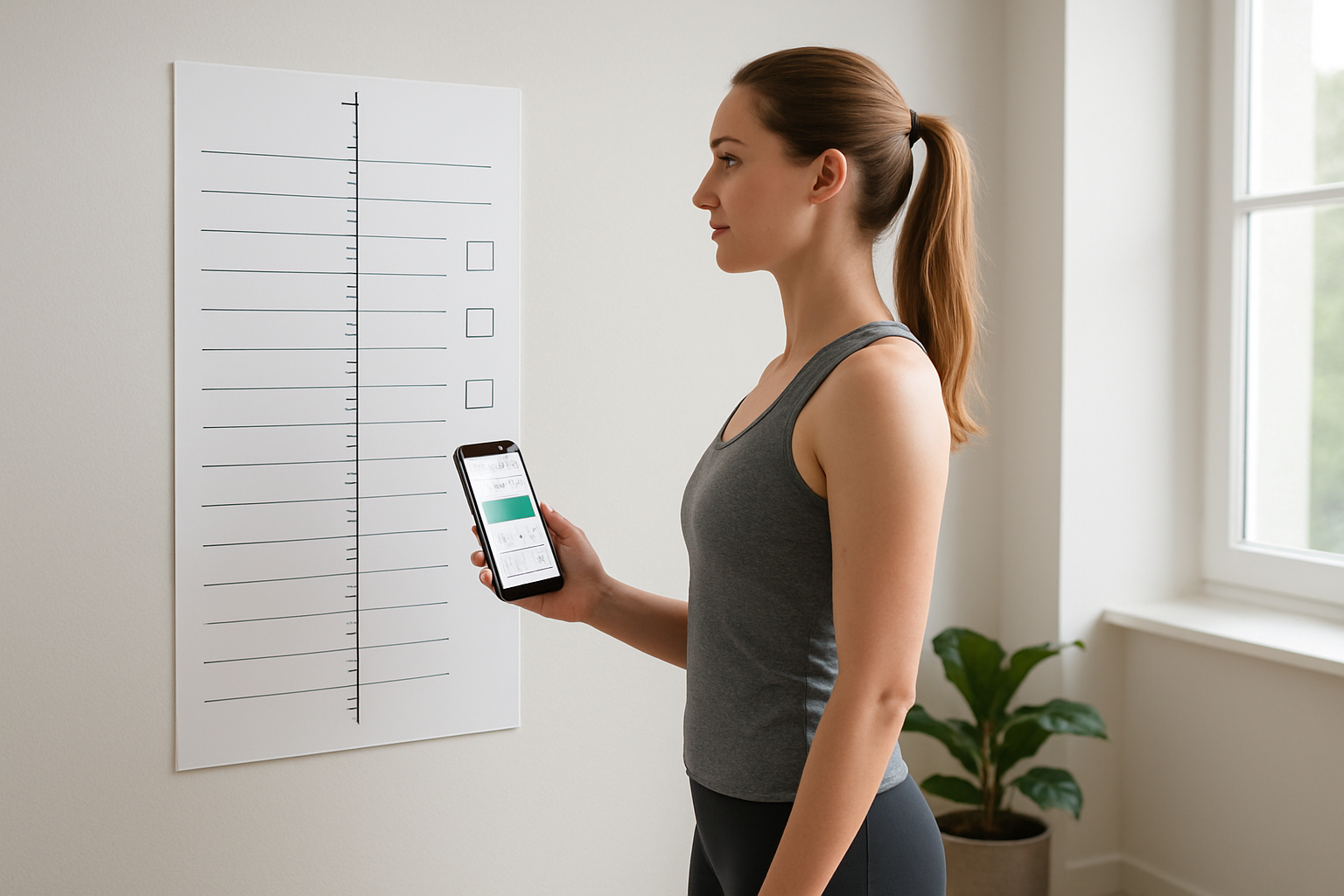
Taking photos from multiple angles serves as your most reliable posture tracking method. Set up your camera at shoulder height and capture front, side, and back views wearing form-fitting clothes. Take these reference shots weekly at the same time of day, preferably in the morning when your spine hasn't been compressed by daily activities.
A posture grid app on your smartphone helps identify specific alignment issues. These apps overlay grid lines onto your photos, making it easier to spot head forward position, shoulder imbalances, and spinal curves. Popular options include PostureScreen Mobile and Posture Analysis apps that provide measurable data points.
Consider investing in a digital inclinometer for precise spinal measurements. Physical therapists use these devices to measure cervical and lumbar curves with accuracy. While more technical, this tool gives you exact degree measurements to track subtle improvements over time.
Simple wall tests provide immediate feedback without technology. Stand against a wall with your back flat - your head, shoulders, and buttocks should touch the surface. Measure the gap behind your lower back with your hand. A gap larger than your hand's thickness indicates excessive lumbar curve that needs attention.
Track daily pain levels and energy levels in a simple journal or smartphone app. Rate these on a 1-10 scale each evening. Many people notice reduced neck pain, fewer headaches, and increased energy as their posture improves. This subjective data complements your objective measurements.
Adjust your routine based on what works best for your body
Your body responds differently to various posture correction exercises, so customization becomes essential after the first month. If certain stretches cause discomfort or don't seem effective, swap them for alternatives targeting the same muscle groups. For example, if doorway chest stretches feel awkward, try using a foam roller for thoracic spine mobility instead.
Listen to your body's feedback signals during daily posture routine activities. Morning stiffness might indicate you need more evening stretches, while afternoon fatigue could mean your workspace ergonomics need adjustment. Some people thrive with longer morning routines, while others prefer shorter, more frequent movement breaks throughout the day.
Seasonal adjustments keep your routine practical year-round. Winter weather might limit outdoor walking, so indoor alternatives like yoga or Pilates maintain your movement goals. Summer heat could make afternoon stretching sessions uncomfortable, shifting your routine to cooler morning hours.
Your progress might plateau after several weeks, signaling the need for routine evolution. Add resistance bands for strengthening exercises, increase hold times for stretches, or incorporate balance challenges. Progressive overload principles apply to posture improvement just like fitness training.
Work and life schedule changes require routine flexibility. Travel days, busy work periods, or family obligations call for shortened backup routines. Having a 5-minute emergency routine ensures consistency even on chaotic days.
Overcome common setbacks and motivation challenges
Forgetting your new habits ranks as the top challenge during the first 90 days. Set multiple daily phone reminders for posture checks, stretching breaks, and ergonomic adjustments. Visual cues work better than mental notes - place sticky notes on your computer monitor, bathroom mirror, and car dashboard.
Initial discomfort often discourages beginners when muscles adapt to better posture habits. Your body has maintained poor alignment for years, so temporary soreness during the first few weeks is normal. Start with gentler versions of exercises and gradually increase intensity rather than pushing through significant pain.
Lack of immediate visible results tests patience around the 3-4 week mark. Better posture habits develop gradually, and dramatic changes take 2-3 months of consistent effort. Focus on how you feel rather than just how you look - improved energy, reduced headaches, and better sleep often appear before visible postural changes.
Social situations can derail progress when family or coworkers comment on your "different" sitting or standing positions. Prepare simple explanations about your health goals. Most people become supportive once they understand you're working on reducing pain and improving wellness.
Technology dependency creates another hurdle when apps malfunction or devices break. Develop backup methods for posture tracking methods and routine reminders. Old-fashioned paper journals and basic stretching routines without gadgets ensure continuity during technical difficulties.

Poor posture doesn't have to be a permanent problem. By taking an honest look at where you stand today, setting clear and achievable targets, and building simple daily habits, you can make real changes that stick. The key is creating an environment that works with you, not against you, whether that's adjusting your workspace or finding the right exercises for your lifestyle.
Your posture journey is a marathon, not a sprint. Small, consistent actions like checking in with your body throughout the day and tracking your progress will pay off more than any quick fix. Start with one or two changes that feel manageable, and build from there. Your future self will thank you for the investment you make in better posture today.
Comments
Post a Comment