Flexibility goals, mobility goals, flexibility vs mobility, SMART flexibility goals, improve flexibility, increase mobility, stretching routine, movement assessment, flexibility training, mobility exercises, range of motion improvement, flexibility challenges, daily stretching routine, mobility enhancement strategy
Flexibility & mobility goals
Flexibility goals and mobility goals are game-changers for anyone looking to move better, feel stronger, and reduce pain in daily activities. Whether you're a desk worker dealing with tight hips, an athlete wanting better performance, or someone recovering from injury, understanding how to improve flexibility and increase mobility can transform how your body feels and functions.
Many people use flexibility and mobility interchangeably, but they're actually different aspects of movement that work together. Getting clear on flexibility vs mobility helps you create more targeted SMART flexibility goals and choose the right exercises for your needs.
We'll start by breaking down the key differences between flexibility and mobility so you know exactly what you're working toward. Then we'll walk through how to assess your current movement capabilities and design a personalized mobility enhancement strategy. Finally, you'll learn to build an effective stretching routine that tackles common flexibility challenges and fits into your real life.
By the end, you'll have a clear roadmap for range of motion improvement that actually sticks – no more random stretching sessions that don't lead anywhere.
Understanding the Difference Between Flexibility and Mobility
Define Flexibility as Passive Range of Motion
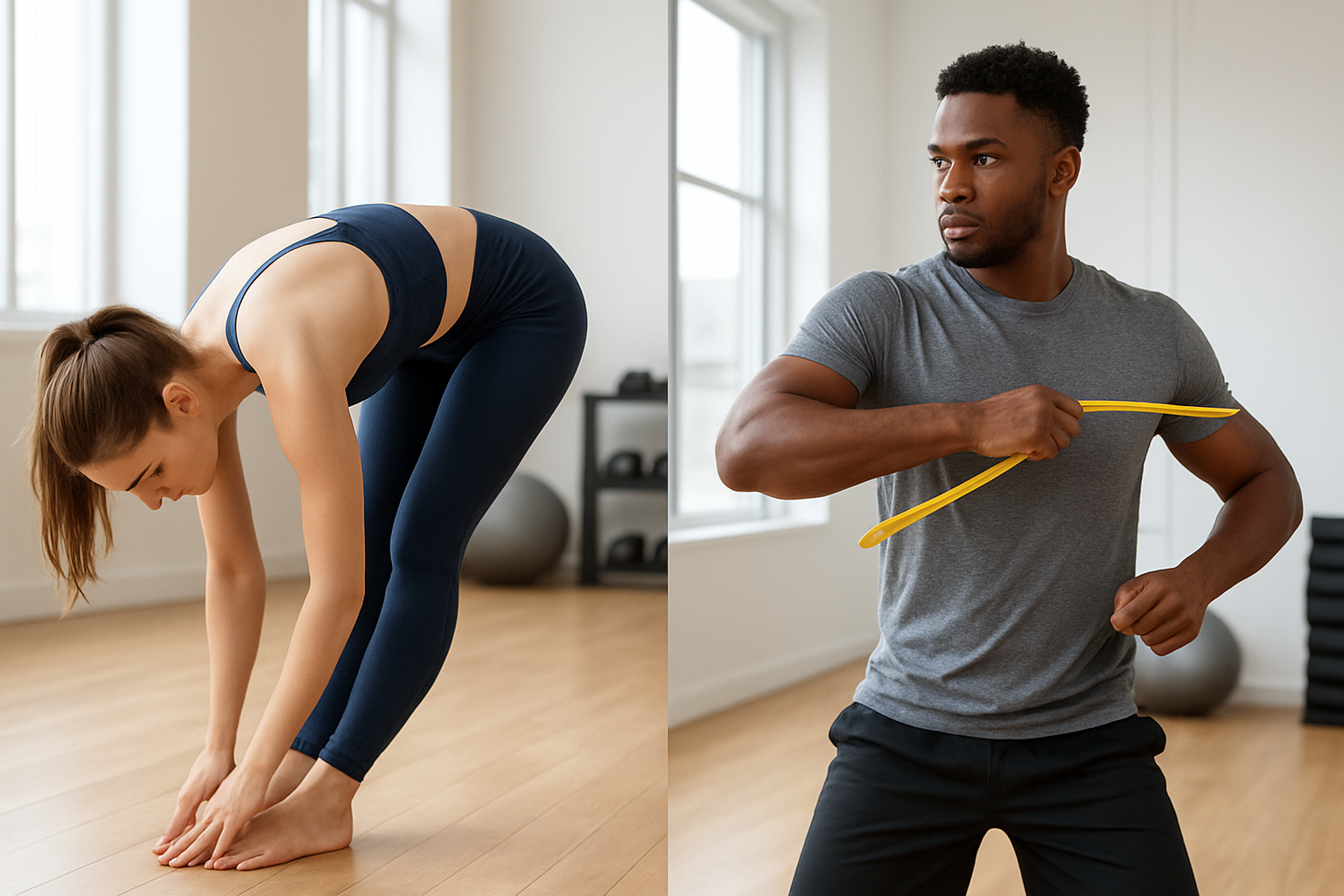
Flexibility represents your muscles' ability to lengthen and your joints' capacity to move through their full range of motion without active muscle engagement. Think of it as how far you can stretch when someone else moves your limb for you, or when gravity assists the movement. When you sit in a forward fold and let your body weight pull you deeper into the stretch, you're experiencing passive flexibility.
This passive quality means flexibility doesn't require strength or muscular control - it's purely about the elasticity of your muscles, tendons, and connective tissues. Your flexibility goals should focus on gradually increasing this passive range through consistent stretching routines and targeted mobility exercises.
Define Mobility as Active Movement Control
Mobility takes flexibility a step further by adding strength and control throughout that range of motion. It's your body's ability to actively move joints through their full range while maintaining stability and proper movement patterns. Unlike flexibility, mobility demands muscular engagement and neuromuscular coordination.
Picture doing a deep squat versus being pushed into one - the first requires mobility, the second demonstrates flexibility. Mobility combines your passive range of motion with the strength to control movement at every point along that path. Your mobility goals should emphasize building both range of motion improvement and the muscular control to use that range effectively.
Identify Why Both Are Essential for Optimal Movement
| Component | Primary Function | Movement Example |
|---|---|---|
| Flexibility | Allows passive range | Touching toes while seated |
| Mobility | Enables active control | Squatting to pick up objects |
| Combined | Optimal performance | Athletic movements, daily activities |
Both components work together to create efficient, pain-free movement patterns. Flexibility provides the foundation by ensuring joints can access their full range, while mobility gives you the control to move safely and effectively within that range. Without adequate flexibility, your mobility becomes limited. Without sufficient mobility, having flexible joints won't translate into functional movement.
Athletes and fitness enthusiasts often discover that addressing both aspects through a comprehensive flexibility training program leads to better performance and reduced injury risk than focusing on just one component.
Recognize How They Work Together for Injury Prevention
The relationship between flexibility vs mobility becomes crucial for injury prevention. Flexible muscles without corresponding strength can't protect joints during dynamic movements, leading to strains and instability. Conversely, strong muscles that lack flexibility create tension patterns and compensatory movements that increase injury risk.
When you develop both qualities simultaneously through targeted stretching routines and movement assessment practices, you create a protective buffer around your joints. This combination allows your body to handle unexpected movements, sudden direction changes, and the demands of daily activities without breaking down.
Your daily stretching routine should include both passive stretches to improve flexibility and dynamic movements that challenge your mobility. This balanced approach ensures your flexibility training translates into real-world movement improvements and long-term joint health.
Assess Your Current Movement Capabilities
Perform basic flexibility tests at home
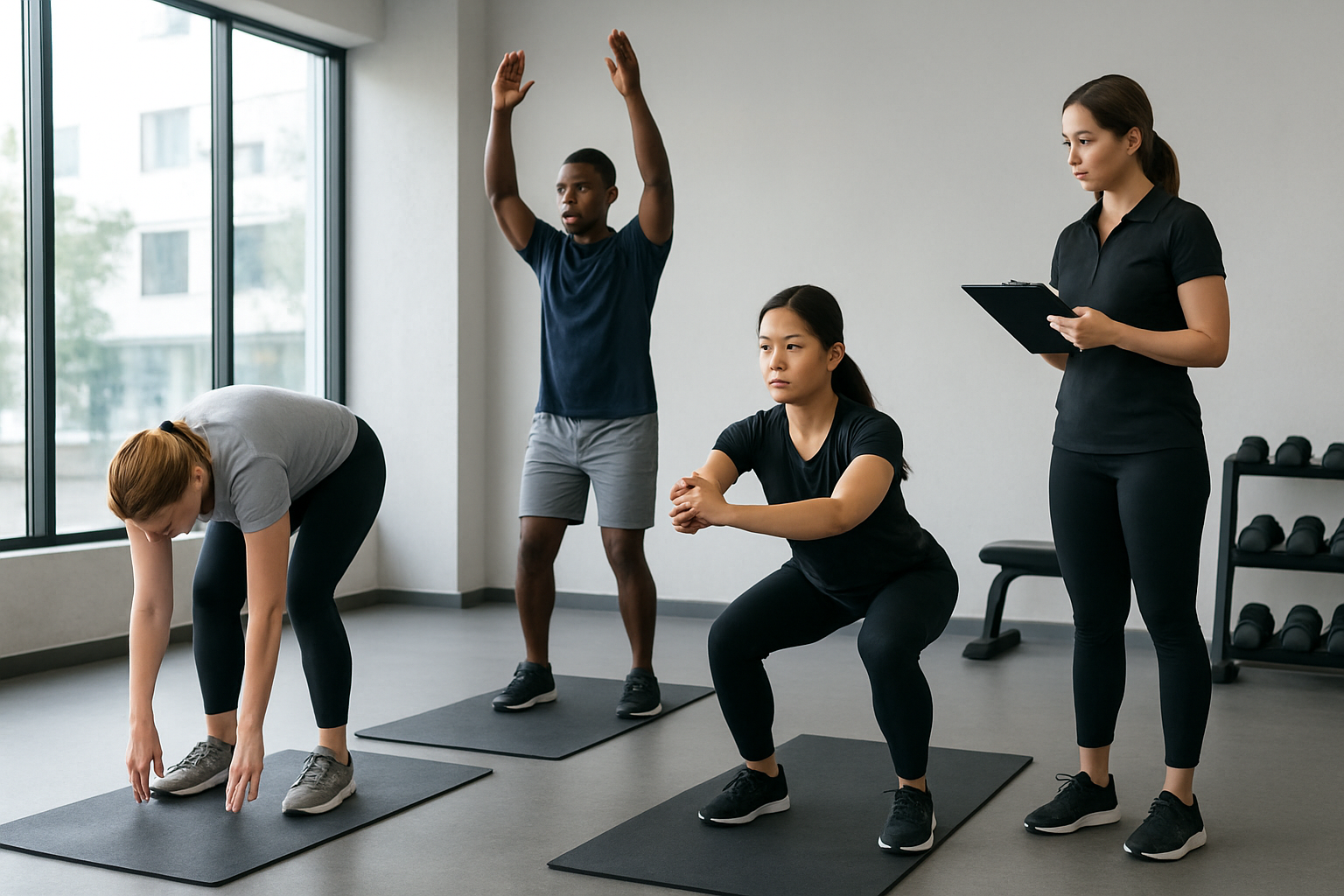
Testing your current flexibility levels gives you a clear starting point for your flexibility goals. You can easily perform these movement assessments in your living room without any special equipment.
Start with the sit-and-reach test by sitting on the floor with legs extended straight. Keep your back straight and slowly reach toward your toes. Note how far your fingertips extend past or fall short of your toes. This simple test reveals hamstring and lower back flexibility.
Check your shoulder mobility by reaching one arm overhead and bending your elbow so your hand drops behind your head. Simultaneously, reach your other arm behind your back from below, trying to clasp your fingers together. Switch sides and compare the difference between your dominant and non-dominant sides.
Test hip flexibility with the 90/90 stretch. Sit on the floor with both knees bent at 90-degree angles, one leg in front and one to the side. Lean forward gently over your front leg. This reveals hip flexor and glute tightness that affects daily movement patterns.
The overhead reach test checks thoracic spine mobility. Stand against a wall with your back flat and raise both arms overhead, trying to touch the wall behind you while keeping your lower back pressed against it.
Document your results with photos or measurements. Many people discover significant differences between their left and right sides, which helps prioritize areas needing attention in their mobility goals.
Evaluate daily movement patterns and restrictions
Your everyday activities reveal valuable information about movement restrictions that standard flexibility tests might miss. Pay attention to how your body feels during routine tasks throughout an entire week.
Notice what happens when you get out of bed in the morning. Stiffness in your lower back might indicate tight hip flexors from prolonged sitting. Difficulty turning your head while backing out of a parking spot suggests neck and upper back restrictions that could benefit from targeted mobility exercises.
Watch for compensatory movements during daily activities. Do you have to turn your entire torso instead of just your head when someone calls your name? This often signals limited cervical spine rotation. When picking up objects from the floor, do you bend at your waist instead of squatting? This pattern typically indicates ankle mobility restrictions or tight hamstrings.
Monitor your posture during different activities. Working at a computer often creates forward head posture and rounded shoulders. Long commutes can tighten hip flexors and weaken glutes. Even sleeping positions affect flexibility - consistently sleeping on one side can create imbalances.
Keep a simple movement journal for one week. Note activities that feel restricted, positions that cause discomfort, and movements that require extra effort. This real-world assessment provides crucial context that static flexibility tests cannot capture and directly informs your mobility enhancement strategy.
Identify problem areas affecting your quality of life
Problem areas often manifest as daily inconveniences that you've learned to work around. Recognizing these patterns helps prioritize which flexibility improvements will have the biggest impact on your life.
Morning stiffness that takes more than 15 minutes to resolve suggests areas needing consistent attention. Lower back pain when getting out of bed typically connects to hip flexor tightness and weak glutes. Neck soreness points to upper body restrictions that affect sleep quality and concentration.
Work-related discomfort provides clear direction for your stretching routine. Wrist and forearm tightness from computer work can extend up to shoulder and neck restrictions. Standing jobs often create tight calves and plantar fascia, while desk jobs typically tighten hip flexors and round shoulders forward.
Recreation limitations reveal functional problems worth addressing. Struggling to look over your shoulder while swimming indicates thoracic spine restrictions. Difficulty reaching overhead for tennis serves or basketball shots suggests shoulder mobility issues. Even simple activities like reaching into back seats of cars or high cabinets become difficult with restricted movement patterns.
Sleep disruptions from joint stiffness significantly impact overall health. Hip restrictions can make side sleeping uncomfortable, while shoulder tightness affects arm positioning during sleep.
Create a priority list ranking problems by their daily impact. Focus first on restrictions that cause pain, limit work performance, or interfere with sleep. Secondary priorities might include recreational limitations or activities you'd like to try. This targeted approach makes your flexibility training more effective and keeps you motivated as you see improvements in areas that matter most to your daily comfort and function.
Set SMART Goals for Flexibility Improvements
Create specific targets for each major muscle group
Setting effective flexibility goals requires breaking down your body into distinct areas that need attention. Your hamstrings might need a 10-degree improvement in forward fold depth, while your hip flexors could benefit from achieving a 90-degree couch stretch position. Document your current range of motion for each muscle group using simple measurements or photo comparisons.
Focus on the big players: shoulders, hips, hamstrings, calves, and spine. For shoulders, aim for specific overhead reach distances or behind-the-back clasps. Hip goals might include achieving a deeper squat position or improving internal rotation angles. Write down exactly what you want each area to accomplish - vague wishes like "get more flexible" won't drive real progress.
Consider your daily activities when choosing targets. If you sit at a desk all day, prioritize hip flexor and thoracic spine mobility. Athletes should target sport-specific ranges of motion that directly impact performance.
Establish measurable progress markers
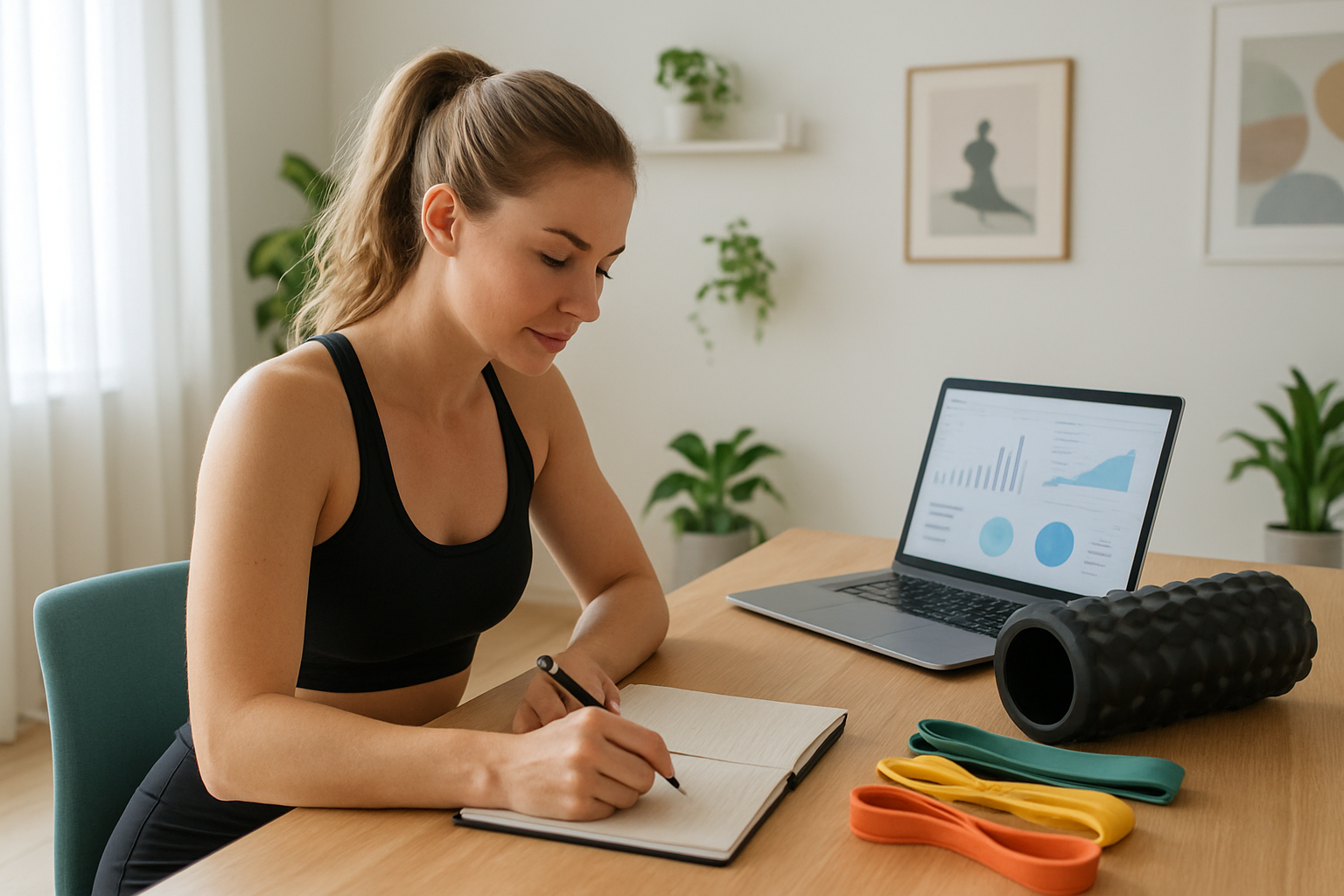
SMART flexibility goals demand concrete ways to track improvement. Use a goniometer app on your phone to measure joint angles, or stick with simple tools like measuring tape for forward bends and side reaches. Take weekly photos in standardized positions to create a visual progress timeline.
Create benchmark tests you can repeat monthly. Time how long you can hold specific stretches, measure how close your fingers come to touching your toes, or track how many inches you can reach in a seated spinal twist. Keep a simple log with dates and measurements.
Set mini-milestones along your journey. If your goal is touching your toes in six months, celebrate reaching within four inches at the two-month mark. These smaller victories keep motivation high and prove your stretching routine is working.
Set realistic timelines for achieving results
Flexibility improvements follow predictable patterns, but patience is essential. Most people see noticeable changes in 4-6 weeks with consistent daily practice. Major improvements in tight areas like hamstrings or hip flexors typically require 3-6 months of dedicated work.
Base your timeline on current flexibility levels and age. Younger bodies adapt faster, while those with years of tightness need longer timeframes. Someone starting with moderate flexibility might achieve significant range of motion improvement in 8-12 weeks, while severely restricted areas could take 6-12 months.
Build buffer time into your goals. Life gets busy, injuries happen, and progress isn't always linear. Adding an extra month to your target date prevents disappointment and maintains realistic expectations.
Plan accountability methods to stay on track
Consistency makes or breaks flexibility progress, so build systems that keep you committed. Find a stretching partner who shares similar mobility goals - you'll both show up more reliably when someone else is counting on you. Schedule specific times in your calendar and treat them like important appointments.
Use habit-stacking by linking your daily stretching routine to existing habits. Stretch while watching evening TV, or spend five minutes on hip mobility right after brushing your teeth. Visual reminders work too - leave your yoga mat in plain sight or set phone reminders.
Track your sessions in a simple app or journal. Seeing a chain of completed days creates momentum you won't want to break. Share progress photos with friends or post updates on social media for external accountability. Consider working with a trainer or physical therapist for professional guidance and regular check-ins on your flexibility training journey.
Design Your Mobility Enhancement Strategy
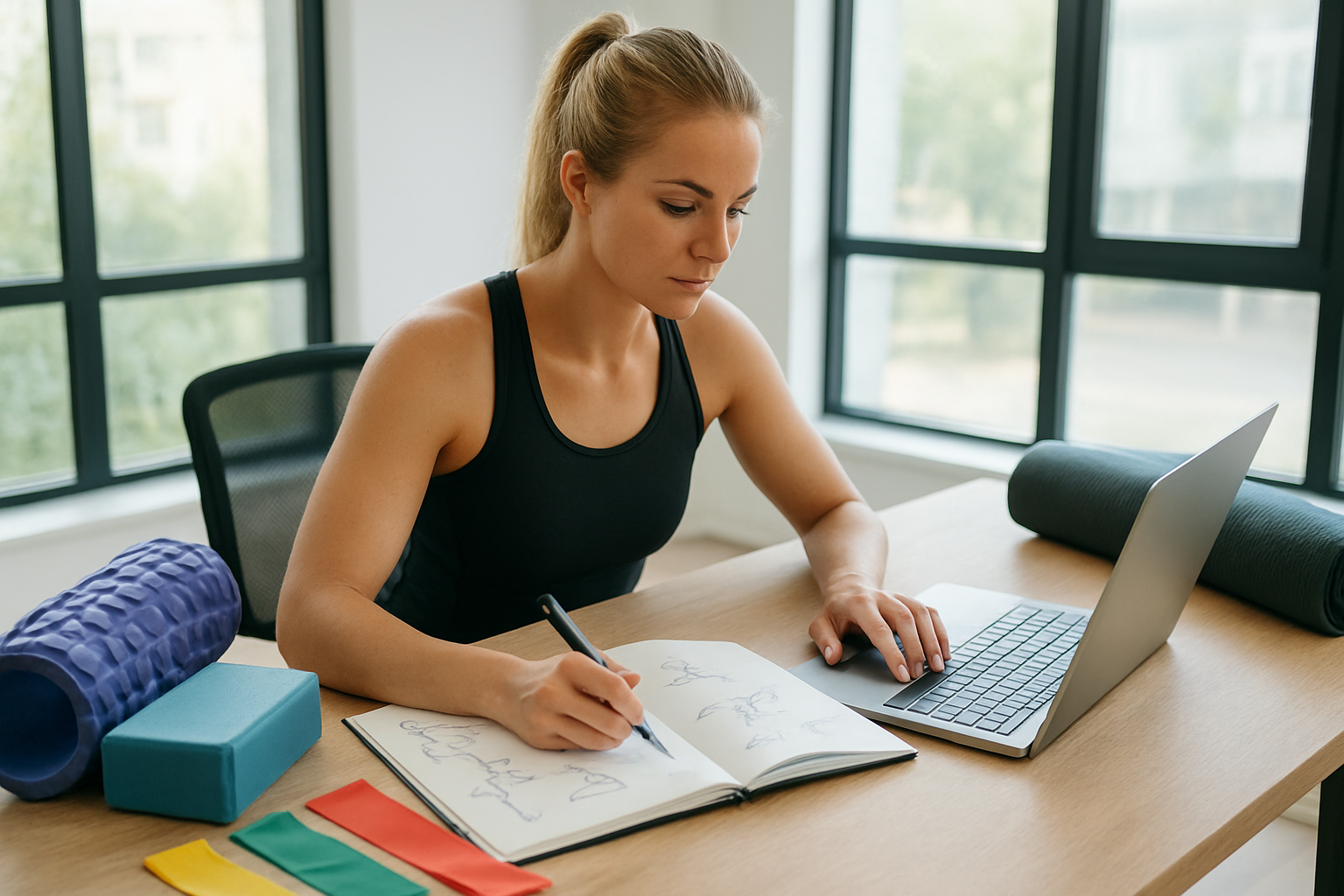
Choose Dynamic Warm-Up Routines for Daily Use
Building effective mobility goals starts with establishing consistent daily movement patterns that prepare your body for activity. Dynamic warm-ups differ from static stretching by incorporating movement that gradually increases your heart rate while improving range of motion. These routines serve as the foundation of any successful mobility enhancement strategy.
Your daily dynamic warm-up should target major muscle groups and joint systems through controlled movements. Start with arm circles progressing from small to large ranges, followed by leg swings in both forward-backward and side-to-side directions. Add walking lunges with a twist to engage your spine and hips simultaneously. Hip circles, shoulder rolls, and gentle torso rotations complete a comprehensive 5-7 minute routine.
The beauty of dynamic warm-ups lies in their adaptability. Office workers benefit from neck rolls, seated spinal twists, and ankle pumps throughout the day. Athletes require more intensive movements like high knees, butt kicks, and walking knee-to-chest exercises. Weekend warriors can incorporate bodyweight squats and arm swings before recreational activities.
Consistency trumps complexity when establishing these routines. Choose 4-5 movements you can perform anywhere, anytime. Your body responds better to regular, moderate movement than sporadic intense sessions. Track your daily warm-up completion to build the habit that supports your broader flexibility training goals.
Select Functional Movement Patterns to Practice
Functional movement patterns form the backbone of practical mobility work, focusing on movements your body performs in daily life rather than isolated muscle stretches. These patterns train multiple joints and muscle groups to work together, creating the foundation for improved flexibility and reduced injury risk.
The seven fundamental movement patterns include squatting, lunging, hinging at the hips, pushing, pulling, rotating, and walking. Each pattern addresses specific mobility requirements while building strength through full ranges of motion. Squatting patterns improve ankle, knee, and hip flexibility while strengthening the entire lower body. Hip hinge movements like deadlift variations enhance hamstring and hip flexibility while protecting your lower back.
Rotational patterns deserve special attention since many people lack adequate spinal mobility. Practice wood chops, Russian twists, and thoracic spine rotations to maintain healthy movement in all planes. Pushing and pulling patterns, such as overhead reaches and rowing motions, address shoulder mobility while building postural strength.
Start with bodyweight versions of each pattern, focusing on achieving full range of motion before adding resistance. A daily practice might include 10 bodyweight squats, 5 lunges per side, 10 hip hinges, and 5 rotations in each direction. Progress by increasing repetitions or adding light weights once you master the movement quality.
Incorporate Joint Mobility Exercises Into Your Routine
Joint-specific mobility exercises target the areas where movement restrictions commonly occur, addressing the mechanical aspects of flexibility that stretching alone cannot fix. These exercises focus on joint capsules, surrounding tissues, and movement quality rather than just muscle length.
Your ankles, hips, shoulders, and spine require dedicated attention through specific mobility exercises. Ankle circles, calf raises, and wall slides address lower leg stiffness that affects everything from walking to squatting. Hip circles, 90/90 stretches, and hip flexor mobilizations counter the effects of prolonged sitting while improving lower body function.
Shoulder mobility exercises like wall slides, doorway stretches, and arm crossovers address the restrictions that develop from computer work and poor posture. Include cat-cow stretches, thoracic extensions, and neck rotations to maintain spinal health and prevent stiffness that radiates throughout your body.
Create a systematic approach by dedicating specific days to different joint groups or incorporating 2-3 joint mobility exercises into each daily session. Morning routines might focus on spine and shoulder mobility to prepare for the day, while evening sessions could emphasize hip and ankle work to counter daily activities.
| Joint Focus | Key Exercises | Daily Duration |
|---|---|---|
| Ankles | Circles, wall slides, calf raises | 2-3 minutes |
| Hips | 90/90 stretch, hip circles, flexor stretch | 5-7 minutes |
| Shoulders | Wall slides, doorway stretch, arm circles | 3-5 minutes |
| Spine | Cat-cow, thoracic rotation, neck rolls | 3-4 minutes |
Track your progress by noting improvements in range of motion and ease of movement rather than just flexibility measurements. Joint mobility often improves gradually, so consistency and patience yield the best long-term results for your mobility goals.
Build an Effective Stretching and Movement Routine
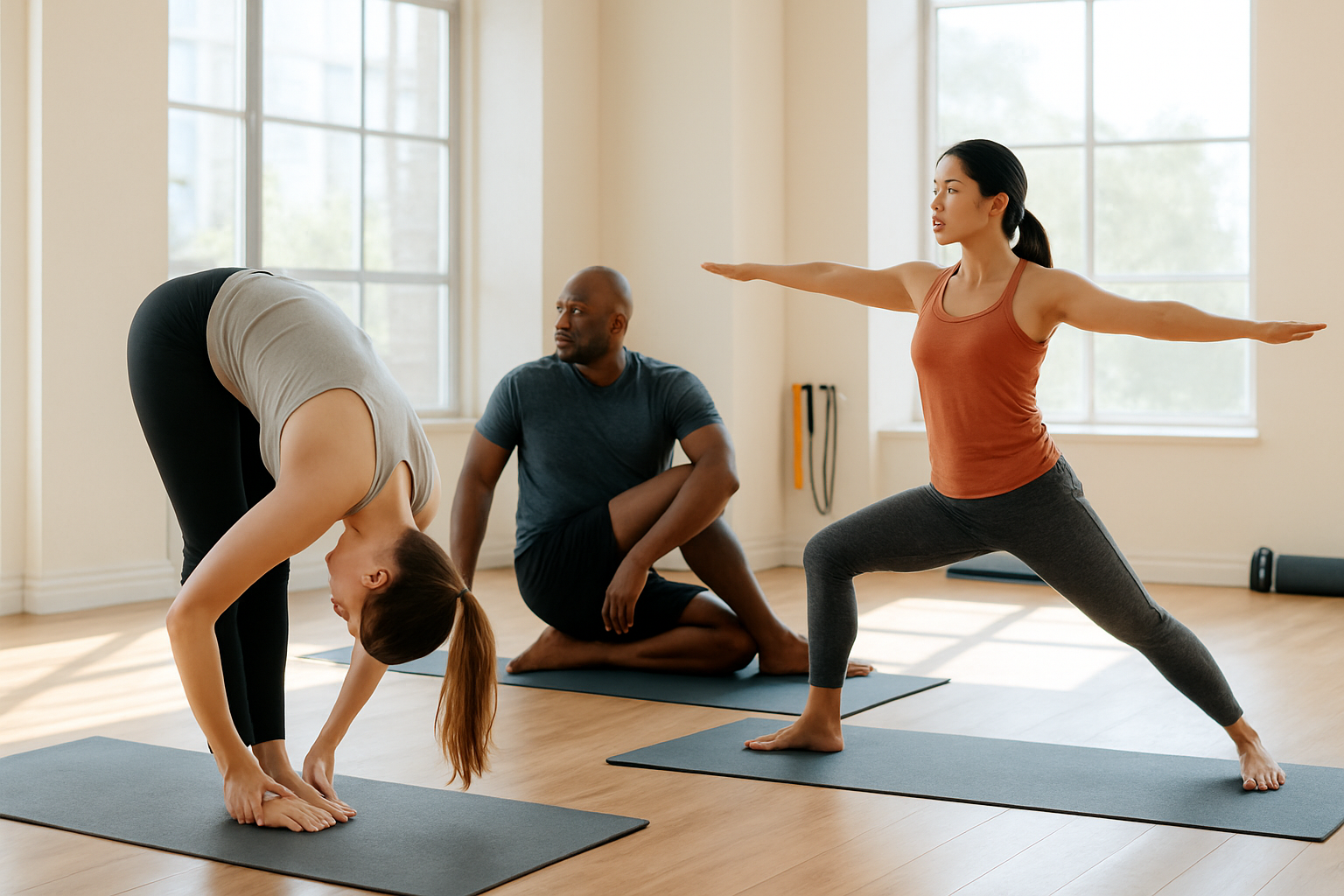
Schedule Optimal Times for Flexibility Work
Your body responds differently to stretching and movement activities throughout the day. Morning sessions work best for gentle mobility exercises when your muscles are still warming up from sleep. Your joints may feel stiff initially, making this perfect for dynamic movements that gradually increase your range of motion. Late afternoon or early evening presents the ideal window for deep stretching and advanced mobility work, when your core body temperature peaks and muscles are most pliable.
Consider your energy levels and daily commitments when planning your stretching routine. Many people find success with a 10-minute morning mobility session followed by a longer 20-30 minute evening routine focused on deeper stretches. Weekend sessions can accommodate longer, more comprehensive movement practices without time pressure.
Select the Right Stretching Techniques for Your Goals
Different stretching methods serve specific purposes in your flexibility training. Static stretching involves holding positions for 15-60 seconds and works excellently for increasing overall flexibility and muscle length. These stretches help you achieve those deeper ranges of motion you're working toward in your mobility goals.
Dynamic stretching uses controlled movements to take joints through their full range of motion. Leg swings, arm circles, and walking lunges fall into this category. These movements prepare your body for activity and improve functional mobility patterns you use in daily life.
PNF (Proprioceptive Neuromuscular Facilitation) stretching combines muscle contraction with stretching and produces faster flexibility gains than traditional methods. Active stretching engages opposing muscle groups while stretching the target muscles, building strength in your new range of motion.
| Stretching Type | Best Used For | Time Frame | Example |
|---|---|---|---|
| Static | Increasing flexibility | 15-60 seconds | Hamstring stretch |
| Dynamic | Warm-up preparation | 10-15 reps | Leg swings |
| PNF | Rapid gains | 5-10 seconds hold | Contract-relax stretching |
| Active | Functional strength | 10-30 seconds | Active leg raises |
Progress Safely From Basic to Advanced Movements
Start with basic movements that feel comfortable and gradually challenge yourself as your body adapts. Begin with simple stretches you can hold without strain, focusing on proper alignment rather than pushing into painful ranges. Your flexibility goals should include progressive milestones that build upon each other systematically.
Master foundational movements before attempting advanced variations. For hip flexibility, start with basic hip flexor stretches before progressing to deeper positions like pigeon pose or splits. Document your current range of motion through photos or measurements so you can track meaningful progress over weeks and months.
Listen to your body's feedback signals. Mild tension during stretching is normal, but sharp pain indicates you're pushing too hard. Increase intensity by 5-10% weekly, allowing your connective tissues adequate time to adapt. This conservative approach prevents injury and ensures sustainable long-term gains.
Combine Static and Dynamic Stretching Methods
Your daily stretching routine should integrate both static and dynamic approaches for optimal results. Begin each session with light dynamic movements to warm up your muscles and joints. Arm circles, torso twists, and gentle bouncing movements prepare your body for deeper work ahead.
Follow your warm-up with static stretches targeting specific areas of tightness or mobility restrictions. Hold each stretch for 30-60 seconds, breathing deeply and relaxing into the position. Focus on major muscle groups that impact your movement quality: hip flexors, hamstrings, shoulders, and thoracic spine.
End your sessions with gentle static stretches or relaxation poses that help your nervous system transition into recovery mode. This combination approach addresses both your immediate flexibility goals and long-term mobility enhancement strategy more effectively than using either method alone.
Track Your Improvements Consistently
Document your progress using simple, measurable methods that show real improvement over time. Take photos of your stretching positions monthly, measure your reach distance for forward folds, or note how many inches you can move deeper into specific stretches.
Create a simple tracking system that records your daily routine completion, flexibility measurements, and subjective feelings about your movement quality. Many successful people use smartphone apps or basic spreadsheets to log their progress. The key is consistency rather than complexity in your tracking method.
Review your data weekly to identify patterns and adjust your routine accordingly. Maybe you notice better progress on days when you stretch twice, or certain stretches respond better to longer holds. This information helps you refine your mobility exercises and stay motivated as you work toward your flexibility goals.
Overcome Common Flexibility and Mobility Challenges
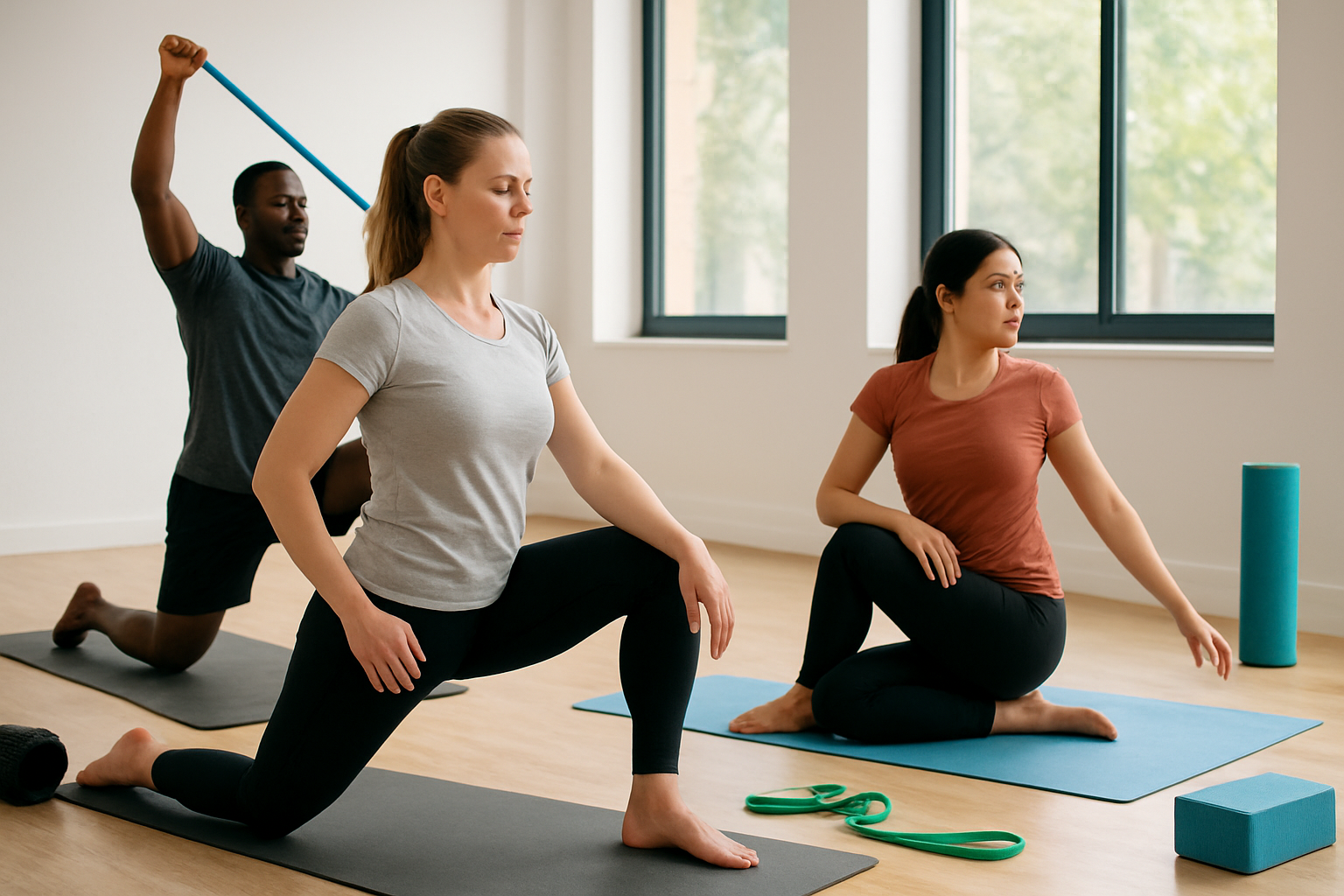
Address tight hip flexors from prolonged sitting
Sitting for hours every day wreaks havoc on your hip flexors, creating one of the most common flexibility challenges people face today. These muscles at the front of your hips become chronically shortened and tight, pulling on your lower back and affecting your entire movement chain.
The 90/90 hip stretch targets multiple hip muscles simultaneously. Sit on the floor with both legs bent at 90-degree angles, one in front and one to the side. Lean forward gently over your front leg, holding for 30-60 seconds before switching sides. This position addresses both internal and external hip rotation while lengthening those stubborn hip flexors.
Dynamic movements work wonders for breaking up the static nature of sitting. Try walking lunges with a twist - step forward into a lunge, then rotate your torso toward your front leg. This combines hip flexor stretching with spinal mobility, creating a compound movement that addresses multiple tight areas at once.
The couch stretch deserves special mention for its effectiveness. Place your back foot on a couch or bench, keeping your front foot flat on the ground in a lunge position. The elevated position intensifies the stretch through your hip flexors and quads. Start with 2-3 minutes per side, gradually increasing as your flexibility goals progress.
Consistency beats intensity when tackling hip flexor tightness. Even five minutes of targeted stretching daily will yield better results than sporadic longer sessions.
Improve shoulder mobility for better posture
Modern life conspires against healthy shoulder mobility. Hunching over computers, looking down at phones, and sleeping in compromised positions all contribute to rounded shoulders and restricted overhead movement.
Wall slides offer a simple yet powerful solution for improving shoulder mobility. Stand with your back against a wall, arms in a "goalpost" position. Slowly slide your arms up and down the wall, maintaining contact throughout the movement. This exercise retrains proper shoulder blade movement while stretching tight chest muscles.
Cross-body stretches target the posterior deltoids and capsule, areas that become particularly tight with forward head posture. Pull one arm across your chest, using your opposite hand to gently increase the stretch. Hold for 30 seconds, focusing on the sensation along the back of your shoulder rather than forcing the movement.
Doorway chest stretches address the internal rotation that develops from prolonged sitting and computer work. Place your forearm against a doorframe and step forward, feeling the stretch across your chest and front of your shoulder. Vary the height of your arm to target different portions of your pectoral muscles.
Thoracic spine mobility directly impacts shoulder function. Cat-cow stretches on hands and knees help restore natural spinal curves while reducing tension in surrounding muscles. The movement should be controlled and deliberate, focusing on segmental motion through each vertebra.
Reduce lower back stiffness through targeted exercises
Lower back stiffness affects movement quality throughout your entire body, making it a priority area for your mobility exercises routine. The key lies in addressing both the tight muscles contributing to stiffness and the weak muscles that should be providing stability.
Child's pose variations provide gentle traction for your lower back while promoting relaxation. Start in the traditional position, then walk your hands to one side to target the quadratus lumborum - a common culprit in lower back tightness. Hold each side for 45-60 seconds, breathing deeply to enhance the relaxation response.
Knee-to-chest stretches offer direct relief for tight lower back muscles. Lying on your back, pull one knee toward your chest while keeping the opposite leg straight. This position stretches your hip flexors, glutes, and lower back muscles simultaneously. Progress to pulling both knees to your chest for a more comprehensive stretch.
Pelvic tilts teach you to actively engage your core while mobilizing your lower back. Lying on your back with knees bent, gently tilt your pelvis to flatten your lower back against the floor, then return to neutral. This subtle movement helps you understand the connection between your core strength and back health.
The supine spinal twist addresses rotation, often the most limited movement pattern in stiff lower backs. Lying on your back, drop both knees to one side while keeping your shoulders on the ground. This gentle rotation helps restore natural spinal movement patterns while releasing tension in your lower back muscles.
Consistency in your daily stretching routine will gradually reduce lower back stiffness and improve your overall range of motion improvement goals.
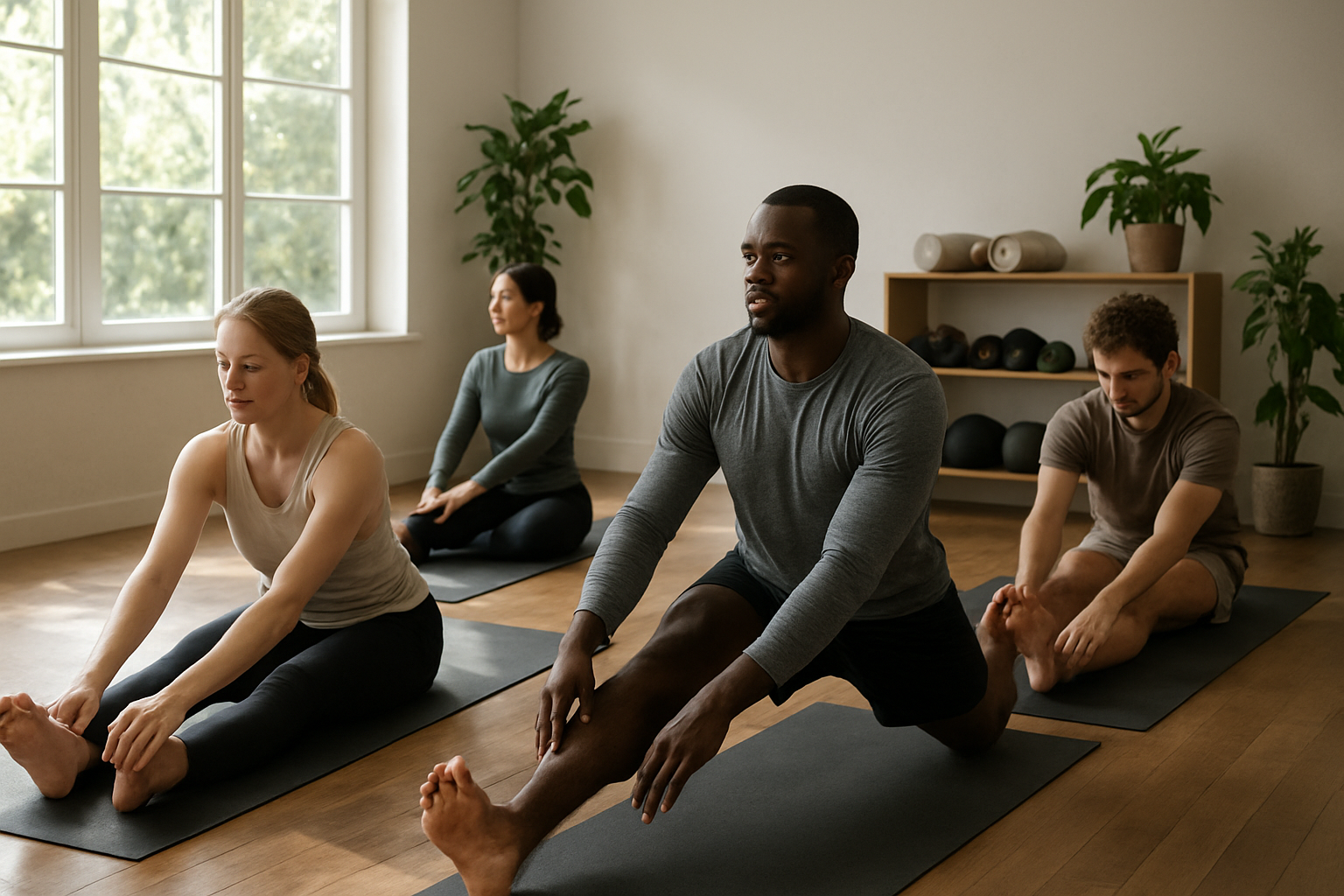
Getting your body moving better starts with knowing what you're working with and where you want to go. The difference between flexibility and mobility matters more than you might think – one is about how far your muscles can stretch, while the other is about how well your joints actually move through their full range. Once you've figured out your starting point and set clear, measurable goals, you can build a routine that actually works for your lifestyle.
The real magic happens when you stick with it, even when progress feels slow or you hit those frustrating plateaus everyone talks about. Your body wants to move well, and with the right approach to stretching and mobility work, you'll start noticing changes in how you feel during everyday activities. Start small, stay consistent, and remember that even five minutes of focused movement each day beats an hour-long session you'll never actually do.
Comments
Post a Comment