cardiovascular fitness goals, cardio workout plan, heart health fitness, aerobic exercise routine, cardiovascular training schedule, SMART fitness goals, cardio fitness assessment, cardiovascular endurance training, heart rate training zones, cardio exercise selection
Cardiovascular fitness goals
Setting cardiovascular fitness goals gives you a clear path to better heart health and increased stamina. This guide is for anyone ready to take their cardio seriously — from beginners starting their first aerobic exercise routine to experienced athletes fine-tuning their cardiovascular training schedule.
You'll discover how to assess where you stand now with your cardio fitness level and create SMART fitness goals that actually stick. We'll walk through building a personalized cardio workout plan that matches your lifestyle and show you how to track your progress so you can adjust your approach when needed.
By the end, you'll have everything you need to design an effective cardiovascular endurance training program that gets real results.
Understanding Your Current Cardiovascular Fitness Level

Assess your resting heart rate and recovery time
Your resting heart rate serves as a baseline measurement for your cardiovascular fitness assessment. To get an accurate reading, measure your pulse first thing in the morning before getting out of bed, when your body is completely relaxed. Place two fingers on your wrist or neck and count the beats for 15 seconds, then multiply by four.
A typical resting heart rate ranges from 60-100 beats per minute for adults, but well-trained athletes often have rates between 40-60 bpm. Higher resting heart rates may indicate poor cardiovascular fitness or underlying health issues, while lower rates generally suggest better cardiovascular conditioning.
Recovery time tells you how quickly your heart returns to its resting rate after exercise. After a moderate workout, check your heart rate immediately, then again after one, two, and three minutes. Your heart rate should drop significantly within the first minute and continue declining steadily.
| Recovery Timeline | Good Fitness Level | Average Fitness Level | Poor Fitness Level |
|---|---|---|---|
| 1 minute | 20+ bpm drop | 12-20 bpm drop | <12 bpm drop |
| 2 minutes | 30+ bpm drop | 22-30 bpm drop | <22 bpm drop |
| 3 minutes | Near resting rate | Within 10-15 bpm | >15 bpm above resting |
Track these measurements weekly to monitor improvements in your cardio fitness assessment as you progress toward your cardiovascular fitness goals.
Measure your endurance through basic fitness tests
Simple fitness tests provide concrete data about your current cardiovascular endurance without requiring expensive equipment or gym memberships. These assessments help establish realistic cardiovascular fitness goals and create an appropriate cardio workout plan.
The step test offers an excellent starting point for measuring cardiovascular endurance. Using a 12-inch step or sturdy platform, step up and down for three minutes at a steady pace of 24 steps per minute. Immediately after stopping, measure your heart rate for 15 seconds and multiply by four. Lower post-exercise heart rates indicate better cardiovascular conditioning.
Walking and running tests reveal your aerobic capacity in real-world scenarios. The 1.5-mile run test measures how quickly you can cover this distance, while the 12-minute Cooper test determines how far you can travel in that timeframe. Both tests correlate strongly with overall cardiovascular fitness levels.
Basic Fitness Test Options:
-
3-minute step test for heart rate response
-
1-mile walk test for aerobic capacity
-
6-minute walk test for endurance
-
Stair climbing test for functional fitness
-
Flexibility and mobility assessments
Record your baseline results and repeat these tests every 4-6 weeks. Improvements in completion times, distances covered, or lower heart rate responses indicate your cardiovascular training schedule is working effectively.
Identify your fitness starting point with professional evaluation
Professional cardiovascular fitness assessments provide the most comprehensive picture of your current heart health fitness level. These evaluations go beyond basic self-testing to include advanced measurements that reveal hidden aspects of your cardiovascular system.
A qualified exercise physiologist or certified personal trainer can conduct submaximal tests that estimate your VO2 max - the gold standard measurement of cardiovascular fitness. These tests push you to about 85% of your maximum heart rate while monitoring oxygen consumption and carbon dioxide production.
Professional assessments often include body composition analysis, blood pressure monitoring during exercise, and evaluation of your movement patterns. This data helps identify potential limitations or imbalances that could affect your cardiovascular training progress.
Professional Assessment Components:
-
Submaximal VO2 testing
-
Heart rate variability analysis
-
Blood pressure response to exercise
-
Body composition measurements
-
Movement screening for injury prevention
-
Personalized heart rate training zones calculation
Medical clearance becomes essential if you're over 40, have existing health conditions, or haven't exercised regularly in years. Your doctor can identify any cardiovascular risks and provide specific guidelines for safe exercise progression.
These professional evaluations typically cost between $100-300 but provide invaluable insights for developing an effective aerobic exercise routine. The detailed results help establish appropriate intensity levels and realistic timelines for achieving your cardiovascular fitness goals while minimizing injury risk.
Setting SMART Cardiovascular Goals for Maximum Success

Create specific and measurable heart health targets
Setting vague cardiovascular fitness goals like "get in better shape" won't cut it when you're serious about improving your heart health. Your cardiovascular fitness goals need concrete numbers and clear definitions that leave no room for guesswork.
Start with your resting heart rate as a baseline metric. A healthy adult typically has a resting heart rate between 60-100 beats per minute, with trained athletes often falling below 60. Set a specific target like reducing your resting heart rate by 5-10 beats per minute over the next three months.
Your target heart rate zones during exercise provide another measurable goal. Calculate your maximum heart rate by subtracting your age from 220, then aim to work within specific percentages during different types of cardio workout plan sessions:
| Intensity Zone | Target Heart Rate | Exercise Type |
|---|---|---|
| Fat Burn | 50-60% of max HR | Light jogging, walking |
| Aerobic Base | 60-70% of max HR | Steady-state cardio |
| Aerobic Threshold | 70-80% of max HR | Tempo runs, cycling |
| Anaerobic | 80-90% of max HR | High-intensity intervals |
Distance and duration goals add another layer of specificity. Rather than saying "run more," commit to completing a 5K in under 30 minutes or cycling 15 miles without stopping. These targets give you something concrete to work toward during your aerobic exercise routine.
Establish realistic timelines for achieving your objectives
Your body needs time to adapt to increased cardiovascular demands, and rushing the process often leads to injury or burnout. Cardiovascular endurance training follows predictable adaptation patterns that you can use to set realistic timelines.
For beginners starting their heart health fitness journey, expect to see initial improvements in 2-4 weeks. Your heart becomes more efficient at pumping blood, and you'll notice activities that once left you breathless become easier. However, significant changes in cardiovascular capacity typically take 8-12 weeks of consistent training.
Breaking down larger goals into smaller milestones keeps you motivated and on track. If your ultimate goal is running a half-marathon, your timeline might look like this:
-
Weeks 1-4: Build base fitness with 20-30 minute runs
-
Weeks 5-8: Increase longest run to 6-8 miles
-
Weeks 9-12: Add speed work and hill training
-
Weeks 13-16: Peak training with 10-12 mile long runs
-
Week 17: Taper and race
Age and current fitness level significantly impact your timeline expectations. Younger individuals and those with some existing fitness base can typically progress faster than older adults or complete beginners. Don't compare your progress to others – focus on your personal improvement curve.
Design goals that align with your lifestyle and preferences
Your cardiovascular training schedule needs to fit seamlessly into your daily routine, or it simply won't happen. The best workout plan is the one you'll actually follow, not the one that looks perfect on paper.
Consider your natural energy patterns when scheduling cardio sessions. Morning people might thrive with 6 AM runs, while night owls may prefer evening gym sessions. Match your workout timing to when you feel most energetic and motivated.
Your exercise preferences matter just as much as timing. Hate running? Don't force yourself to become a runner. Swimming, cycling, dancing, hiking, or rowing can all deliver excellent cardiovascular benefits. The key is finding activities you genuinely enjoy, making it easier to stick with your SMART fitness goals.
Think about your available equipment and location constraints. If you live in a climate with harsh winters, indoor activities like stationary cycling or treadmill work might be more realistic than outdoor running. Limited budget? Walking, bodyweight circuits, and YouTube workout videos cost nothing but deliver real results.
Family and work obligations also shape your goal structure. Parents might need 20-minute high-intensity sessions rather than hour-long gym visits. Frequent travelers should focus on bodyweight exercises and running routines that work anywhere.
Track progress with quantifiable cardiovascular metrics
Monitoring your progress transforms abstract fitness improvements into concrete data you can analyze and celebrate. Modern technology makes tracking cardiovascular fitness goals easier and more accurate than ever before.
Heart rate variability (HRV) provides insights into your recovery and training readiness. Higher HRV generally indicates better cardiovascular fitness and recovery status. Wearable devices can track this metric automatically, helping you adjust training intensity based on your body's readiness.
Cardio fitness assessment tools give you objective measures of improvement. Your VO2 max – the maximum amount of oxygen your body can use during exercise – represents the gold standard of cardiovascular fitness measurement. Many fitness trackers now estimate VO2 max based on heart rate data during exercise.
Keep detailed workout logs tracking:
-
Exercise duration and intensity
-
Heart rate data during different phases
-
Perceived exertion levels (1-10 scale)
-
Recovery heart rate after exercise
-
Sleep quality and resting heart rate trends
Recovery metrics are just as important as performance metrics. Track how quickly your heart rate returns to baseline after exercise sessions. Improved cardiovascular fitness means faster recovery times and lower heart rates at the same exercise intensities.
Regular fitness testing every 4-6 weeks provides milestone checkpoints. Simple tests like timing a one-mile walk or counting how many flights of stairs you can climb without getting winded give you clear progress indicators that don't require fancy equipment.
Choosing the Right Cardiovascular Exercises for Your Goals

Select high-impact activities for rapid cardiovascular improvement
High-impact cardiovascular exercises deliver powerful results when you're looking to boost your heart health fitness quickly. Running stands as the gold standard for rapid cardiovascular gains, torching calories while strengthening your heart muscle with every stride. Whether you're pounding the pavement or hitting the treadmill, running forces your cardiovascular system to work harder, leading to improved oxygen delivery and enhanced endurance.
Jump rope takes cardio workout plan effectiveness to another level, providing an intense full-body workout that can burn more calories per minute than most other activities. This portable powerhouse improves coordination while delivering serious cardiovascular benefits in short time frames.
High-intensity interval training (HIIT) combines bursts of maximum effort with recovery periods, creating a metabolic storm that continues burning calories long after your workout ends. These sessions typically last 15-30 minutes but pack the cardiovascular punch of much longer steady-state exercises.
Kickboxing and martial arts-inspired workouts blend cardiovascular conditioning with strength training, making them excellent choices for comprehensive fitness development. The constant movement patterns keep your heart rate elevated while building functional strength.
For those seeking variety, activities like basketball, soccer, or tennis provide natural interval training through their stop-and-start nature. These sports make cardiovascular training feel less like work and more like play, increasing adherence to your aerobic exercise routine.
Incorporate low-impact options for joint-friendly conditioning
Low-impact cardiovascular exercises protect your joints while still delivering exceptional heart health benefits. Swimming reigns supreme in this category, providing a full-body workout that's virtually weightless on your joints. The water's resistance creates an excellent cardiovascular challenge while supporting your body weight, making it perfect for people with arthritis or previous injuries.
Cycling, whether stationary or outdoor, offers another joint-friendly path to cardiovascular fitness goals. The seated position reduces stress on knees and hips while allowing for intense cardiovascular work. Modern spin classes and smart trainers make indoor cycling engaging and effective for serious cardiovascular endurance training.
Elliptical machines provide the motion benefits of running without the joint impact, making them ideal for daily cardio sessions. The smooth, gliding movement pattern works both upper and lower body while maintaining consistent cardiovascular challenge.
Walking might seem too gentle, but brisk walking or incline walking delivers significant cardiovascular benefits without joint stress. Adding hills, speed intervals, or weighted vests can intensify the workout while maintaining the low-impact nature.
Water aerobics and pool jogging combine the resistance of water with the support it provides, creating an effective cardiovascular workout that's particularly beneficial for older adults or those recovering from injuries. Rowing machines offer another excellent low-impact option, providing full-body cardiovascular conditioning while building strength in your back and core muscles.
Combine different exercise types for comprehensive heart health
Cross-training with varied cardiovascular exercises prevents adaptation plateaus and reduces injury risk while maintaining motivation. Mixing high and low-impact activities throughout your week creates a balanced approach that challenges different energy systems and muscle groups.
A well-rounded cardio exercise selection might include two days of high-impact activities like running or HIIT, two days of low-impact options like swimming or cycling, and one day of moderate activities like hiking or dancing. This variety keeps your body guessing and prevents the boredom that often derails fitness routines.
Seasonal variation adds another layer of effectiveness to your cardiovascular training schedule. Summer might emphasize swimming and outdoor cycling, while winter could focus on indoor rowing and treadmill workouts. This natural rotation prevents overuse injuries and maintains year-round engagement.
Different exercise types also target various aspects of cardiovascular fitness. Steady-state activities build aerobic base fitness, while interval training improves anaerobic capacity and recovery. Sports-based activities enhance agility and reaction time alongside cardiovascular benefits.
Consider alternating between exercises that emphasize different muscle groups - upper body dominant (rowing), lower body focused (cycling), and full-body activities (swimming). This approach ensures balanced development while giving specific muscle groups recovery time between sessions.
Match exercise intensity to your current fitness capacity
Proper intensity matching prevents burnout and injury while ensuring steady progress toward your cardiovascular fitness goals. Heart rate training zones provide the most accurate method for gauging exercise intensity, typically calculated as percentages of your maximum heart rate.
Beginners should start in Zone 1-2 (50-70% max heart rate), focusing on building aerobic base fitness through comfortable, conversational pace activities. This foundation phase might last 4-8 weeks depending on starting fitness level and allows your cardiovascular system to adapt safely.
Intermediate exercisers can incorporate Zone 3 training (70-80% max heart rate), adding tempo workouts and moderate intervals to their routine. This "comfortably hard" intensity builds the bridge between easy aerobic work and high-intensity efforts.
Advanced individuals ready for Zone 4-5 training (80-95% max heart rate) can include high-intensity intervals and threshold work. These sessions should comprise only 10-20% of total training time due to their demanding nature and longer recovery requirements.
Your current fitness capacity also determines exercise duration and frequency. New exercisers might start with 20-30 minute sessions three times weekly, while trained individuals might handle 45-60 minute sessions five or six days per week. Progress gradually by increasing either duration or intensity, but not both simultaneously. Listen to your body's signals - excessive fatigue, elevated resting heart rate, or declining performance indicate the need for reduced intensity or additional recovery time.
Building an Effective Cardiovascular Training Schedule
Plan Optimal Workout Frequency for Consistent Progress
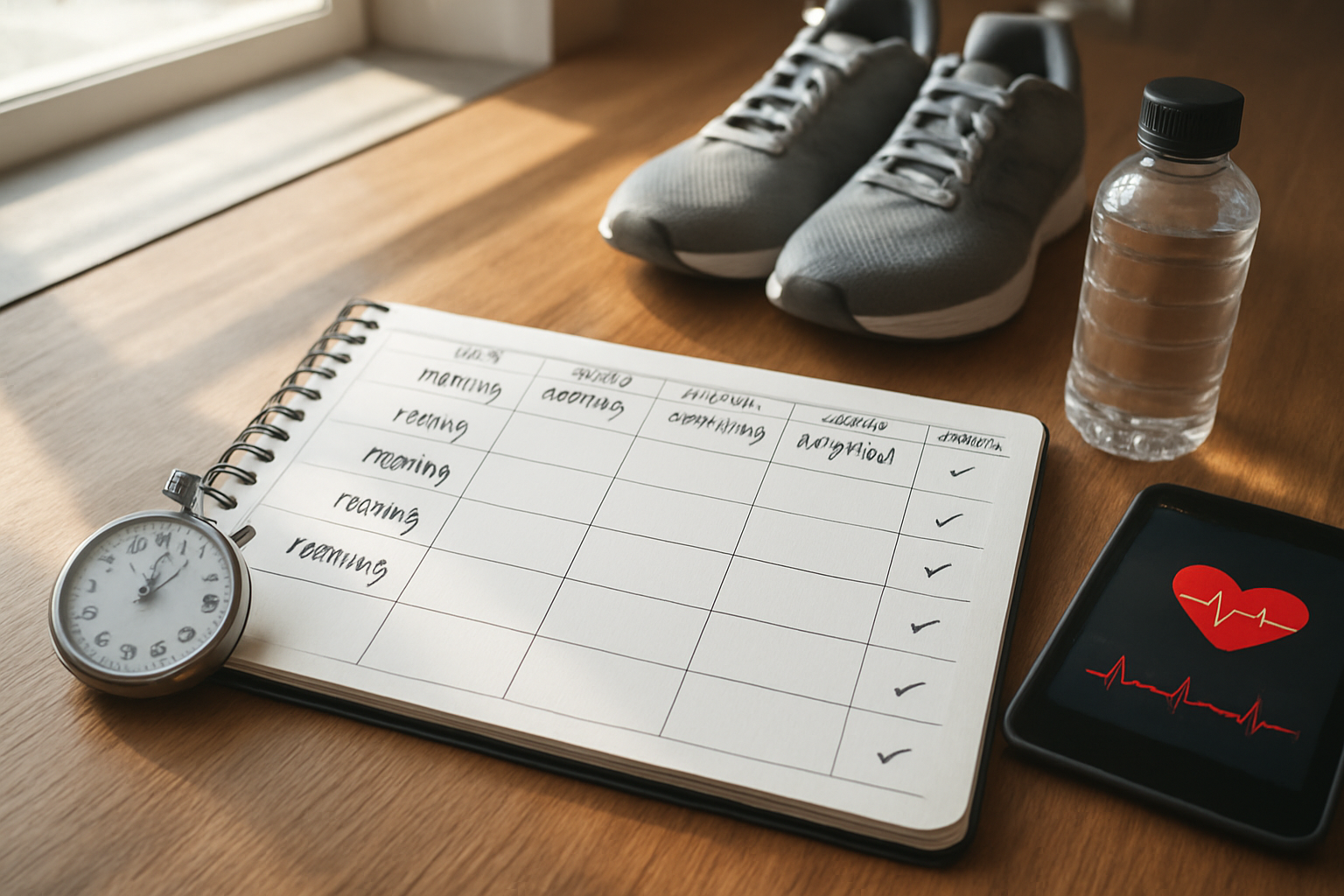
Creating a sustainable cardiovascular training schedule starts with finding the sweet spot between challenging your heart and allowing proper recovery. Most fitness experts recommend starting with 3-4 cardio sessions per week for beginners, gradually building to 5-6 sessions for more advanced individuals pursuing specific cardiovascular fitness goals.
Your workout frequency depends heavily on intensity levels. High-intensity sessions require more recovery time, so limit these to 2-3 times weekly. Moderate-intensity workouts can be performed more frequently, even daily for well-conditioned individuals. Low-intensity sessions like brisk walking can happen almost every day without overwhelming your system.
Consider your current fitness level when planning frequency. New exercisers should start conservatively with every other day sessions, allowing 48 hours between intense workouts. This approach prevents overuse injuries while building a solid foundation for your cardio workout plan.
Balance Intense Sessions with Active Recovery Periods
Smart cardiovascular training schedule design alternates challenging workouts with lighter recovery activities. High-intensity interval training (HIIT) sessions should always be followed by either complete rest days or active recovery periods featuring gentle movement like yoga, stretching, or leisurely walks.
Active recovery keeps blood flowing to your muscles without adding stress to your cardiovascular system. This approach actually speeds recovery while maintaining your exercise routine momentum. Swimming at an easy pace, cycling leisurely, or doing light resistance training all qualify as excellent active recovery options.
The 80/20 rule works well for many athletes: spend 80% of your training time at moderate intensities and 20% at high intensities. This balance maximizes cardiovascular endurance training benefits while minimizing burnout risk.
Progress Gradually to Prevent Injury and Burnout
Building cardiovascular fitness requires patience and systematic progression. The 10% rule serves as an excellent guideline: increase your weekly training volume by no more than 10% each week. This applies to duration, frequency, or intensity changes in your aerobic exercise routine.
Start with shorter sessions and comfortable intensities, then gradually extend workout duration before increasing intensity. For example, if you're currently doing 20-minute sessions three times weekly, focus on reaching 25-30 minute sessions consistently before adding a fourth weekly workout or increasing pace.
Listen to your body's signals during this progression. Persistent fatigue, declining performance, or unusual aches often indicate you're advancing too quickly. Scaling back temporarily prevents setbacks that could derail your heart health fitness journey for weeks or months.
Adapt Your Schedule to Accommodate Life Changes
Life rarely follows a perfect schedule, so your cardio routine needs flexibility built in. Create a primary schedule for ideal weeks, plus backup plans for busy periods, travel, weather constraints, or unexpected events.
Develop multiple workout options of varying durations. Having 15-minute, 30-minute, and 45-minute routines ready means you can always fit something in, regardless of time constraints. Indoor and outdoor alternatives ensure weather won't derail your progress.
Consider seasonal adjustments to your training schedule. Many people naturally feel more energetic during certain times of year, while holidays, work cycles, or family commitments create predictable busy periods. Planning these variations in advance keeps your cardiovascular fitness goals on track year-round.
Build rest weeks into your long-term plan every 4-6 weeks. These planned recovery periods prevent accumulated fatigue while giving you mental breaks from intense training. Use these weeks for lighter activities, skill development, or equipment maintenance.
Monitoring Progress and Adjusting Your Cardiovascular Plan

Use Heart Rate Monitors and Fitness Apps for Accurate Tracking
Technology has revolutionized how we monitor cardiovascular fitness goals. Heart rate monitors provide real-time data about your exercise intensity, helping you stay within your target heart rate training zones. Wearable devices like fitness watches automatically track metrics including resting heart rate, active minutes, and calories burned during your aerobic exercise routine.
Popular fitness apps sync with these devices to create detailed progress reports. They track improvements in your cardiovascular endurance training by recording workout duration, distance covered, and average heart rate across sessions. Apps like Strava, Garmin Connect, and Apple Fitness show weekly trends and monthly comparisons, making it easy to spot patterns in your cardio workout plan.
Smart features in these tools include:
-
Automatic workout detection
-
Recovery time recommendations
-
VO2 max estimations
-
Sleep quality analysis
-
Step counting and movement reminders
| Metric | What It Tells You | Ideal Frequency |
|---|---|---|
| Resting Heart Rate | Overall fitness improvement | Daily (morning) |
| Workout Heart Rate | Exercise intensity | Every session |
| Recovery Heart Rate | Cardiovascular efficiency | Post-workout |
| HRV (Heart Rate Variability) | Training readiness | Daily |
Recognize Signs of Improvement in Daily Activities
Your body shows progress beyond the gym through everyday activities. Climbing stairs without getting winded, carrying groceries with ease, or playing with kids longer are clear indicators your cardiovascular training schedule is working.
Physical improvements include:
-
Walking faster without increased effort
-
Less fatigue during household chores
-
Better endurance during recreational activities
-
Quicker recovery after physical tasks
-
Improved energy levels throughout the day
Sleep quality often improves as your heart health fitness develops. Many people notice they fall asleep faster and wake up more refreshed. Your resting heart rate typically decreases as your heart becomes more efficient at pumping blood.
Mental benefits accompany physical changes. Better mood, reduced stress levels, and improved focus at work signal that your cardiovascular system is supporting brain function more effectively. These daily life improvements often motivate people more than gym statistics.
Modify Goals Based on Achieved Milestones and New Challenges
Successful SMART fitness goals require regular adjustments as you progress. When you consistently meet your current targets, it's time to raise the bar. This prevents plateaus and maintains motivation in your fitness journey.
Goal modification strategies:
Progressive Overload Approach:
-
Increase workout duration by 5-10% weekly
-
Add one extra cardio session per week
-
Incorporate interval training into steady-state routines
-
Raise target heart rate zones gradually
Seasonal Adjustments:
-
Outdoor running in summer vs. indoor cycling in winter
-
Beach volleyball season vs. gym-based cardio
-
Holiday schedule modifications
-
Weather-dependent activity switches
Life Event Adaptations:
-
Reducing intensity during stressful periods
-
Modifying schedules for new work commitments
-
Adjusting goals after injuries or health changes
-
Family responsibility considerations
Advanced Goal Setting:
-
Training for specific events (5K, marathon, cycling tour)
-
Cross-training integration
-
Sport-specific fitness targets
-
Performance-based rather than time-based goals
Review your cardio fitness assessment results monthly to identify areas needing attention. Maybe your endurance improved but your speed remained static, suggesting interval training addition. Or perhaps your lower body strength developed faster than upper body, indicating the need for more comprehensive exercises.
Document these adjustments in your fitness journal or app. This creates accountability and helps you understand which modifications produced the best results for future reference.

Getting your cardiovascular fitness on track doesn't have to feel overwhelming. The key is knowing where you stand today, setting clear goals that actually make sense for your lifestyle, and picking activities you'll stick with long-term. Whether that's running, cycling, swimming, or dancing in your living room, the best exercise is the one you'll do consistently. Creating a realistic schedule and tracking your progress will keep you motivated and help you see real improvements in your heart health.
Remember that your cardiovascular journey is unique to you, and what works for someone else might not be your perfect fit. Start small, be patient with yourself, and celebrate those wins along the way - even if it's just walking up the stairs without getting winded. Your heart will thank you for every step you take toward better fitness, and the energy boost you'll feel in your daily life makes all the effort worth it.
Comments
Post a Comment