body fat percentage, how to reduce body fat, fat loss diet, caloric deficit for weight loss, body fat reduction exercises, metabolism boosting tips, fat loss workout plan, healthy weight loss strategies, body composition improvement, fat burning techniques
Reducing body fat percentage
Reducing body fat percentage is a common goal for people who want to improve their health, feel more confident, or enhance their athletic performance. This guide is for anyone ready to take a science-backed approach to fat loss—from beginners starting their fitness journey to experienced gym-goers looking to fine-tune their results.
Many people jump into extreme diets or grueling workout routines without understanding the fundamentals of how fat loss actually works. The truth is, sustainable body fat reduction comes down to creating the right environment for your body to burn stored fat while preserving muscle mass.
We'll walk you through the essential steps to achieve lasting results. First, you'll learn how to set up a realistic caloric deficit for weight loss through smart nutrition choices that don't leave you starving. Next, we'll cover the most effective fat loss workout plan that combines strength training and cardio for maximum impact. Finally, you'll discover proven metabolism boosting tips and recovery strategies that help your body burn fat around the clock, plus how to track your progress and adjust your approach based on real data.
Understanding Body Fat Percentage and Setting Realistic Goals

Calculate your current body fat percentage accurately
Getting an accurate baseline measurement is your starting point for any successful body fat reduction journey. Several methods exist, each with different levels of precision and cost. DEXA scans offer the gold standard for accuracy, measuring bone density, lean mass, and fat distribution with remarkable precision. While expensive, they provide detailed insights about visceral fat and regional body composition that cheaper methods can't match.
Bioelectrical impedance analysis (BIA) scales represent the most accessible option for home monitoring. These devices send a small electrical current through your body, measuring resistance to estimate body fat percentage. While convenient, their accuracy fluctuates based on hydration levels, meal timing, and exercise. For best results, measure first thing in the morning, after using the bathroom, and before eating or drinking.
Skinfold calipers offer a middle-ground approach when used correctly. A trained professional measures skin thickness at multiple sites, using established formulas to calculate body fat percentage. This method costs less than DEXA but requires skill and consistency for reliable results.
Body circumference measurements provide another reliable tracking method. Measure your waist at the narrowest point, hips at the widest point, and neck just below the Adam's apple. Online calculators combine these measurements with height and weight to estimate body fat percentage. While not as precise as DEXA, this method costs nothing and works well for tracking changes over time.
Determine healthy target ranges for your age and gender
Body fat percentage ranges vary significantly between men and women due to biological differences in hormone production and fat storage patterns. Understanding these ranges helps you set realistic, health-focused goals rather than pursuing unsustainable extremes.
For men, essential fat ranges from 2-5%, representing the minimum needed for basic physiological functions. Athletes typically maintain 6-13% body fat, while fitness enthusiasts often target 14-17%. The acceptable range spans 18-24%, with anything above 25% considered high risk for health complications.
Women require higher essential fat levels (10-13%) to support reproductive health and hormone production. Female athletes usually maintain 16-20% body fat, while the fitness range extends to 21-24%. Acceptable levels reach 25-31%, with readings above 32% indicating increased health risks.
Age plays a crucial role in determining realistic targets. As we age, maintaining lower body fat percentages becomes increasingly challenging due to hormonal changes, decreased muscle mass, and slower metabolisms. A healthy 20-year-old male might maintain 10% body fat easily, while a 50-year-old man might find 15-18% more sustainable and health-promoting.
| Age Group | Men (Healthy Range) | Women (Healthy Range) |
|---|---|---|
| 20-29 | 8-20% | 16-24% |
| 30-39 | 11-22% | 17-25% |
| 40-49 | 13-24% | 19-28% |
| 50-59 | 15-26% | 22-31% |
| 60+ | 17-28% | 24-33% |
Set achievable timeline expectations for sustainable results
Sustainable fat loss occurs gradually, typically at rates of 0.5-2 pounds per week depending on your starting point and methods used. This translates to roughly 1-2% body fat reduction per month for most people following a consistent program.
Your starting body fat percentage significantly influences how quickly you'll see changes. Individuals with higher starting percentages often experience faster initial progress, while those already lean find each percentage point increasingly difficult to lose. Someone starting at 30% body fat might lose 2-3% monthly initially, while dropping from 15% to 12% could take several months of dedicated effort.
Setting mini-goals every 4-6 weeks keeps motivation high while allowing for program adjustments. Rather than focusing solely on the final target, celebrate dropping from 25% to 23% or fitting into clothes that were previously tight. These smaller victories build momentum and reinforce positive habits.
Expect plateaus and temporary setbacks as normal parts of the process. Your body adapts to caloric deficits over time, requiring periodic adjustments to nutrition and exercise plans. Most people experience 1-2 week stalls every 6-8 weeks, which actually indicates your metabolism is functioning properly.
Plan for a timeline of 3-6 months to see significant changes in body composition, with the most dramatic visual improvements typically occurring after 8-12 weeks of consistent effort. Sustainable approaches prioritize habit formation over rapid results, leading to better long-term success rates and improved overall health markers beyond just body fat percentage reduction.
Create a Caloric Deficit Through Strategic Nutrition Planning

Calculate your daily caloric needs and deficit requirements
Creating a caloric deficit for weight loss starts with understanding your baseline energy needs. Your Total Daily Energy Expenditure (TDEE) includes your Basal Metabolic Rate (BMR) plus calories burned through daily activities and exercise. Men typically need 2,200-2,800 calories daily, while women require 1,800-2,200 calories, depending on age, weight, height, and activity level.
Use the Mifflin-St Jeor equation for accurate calculations:
-
Men: BMR = 10 × weight(kg) + 6.25 × height(cm) - 5 × age + 5
-
Women: BMR = 10 × weight(kg) + 6.25 × height(cm) - 5 × age - 161
Multiply your BMR by an activity factor (1.2 for sedentary, 1.375 for lightly active, 1.55 for moderately active, 1.725 for very active). A moderate deficit of 300-500 calories daily promotes steady body fat percentage reduction while preserving muscle mass. Aggressive deficits exceeding 750 calories can trigger metabolic slowdown and muscle loss.
Focus on nutrient-dense whole foods for optimal satiety
Smart food choices make maintaining your caloric deficit manageable and sustainable. Protein-rich foods like lean meats, fish, eggs, and legumes boost satiety while supporting muscle preservation during weight loss. Aim for 0.7-1 gram of protein per pound of body weight daily.
Fiber-rich vegetables and fruits provide volume with minimal calories, helping you feel full longer. Prioritize:
-
Lean proteins: Chicken breast, salmon, Greek yogurt, tofu
-
Fibrous vegetables: Broccoli, spinach, bell peppers, cauliflower
-
Complex carbohydrates: Quinoa, sweet potatoes, oats, brown rice
-
Healthy fats: Avocados, nuts, olive oil, fatty fish
Processed foods trigger overconsumption due to engineered palatability. Whole foods naturally regulate appetite through their fiber content, protein density, and slower digestion rates.
Time your meals to support metabolism and energy levels
Meal timing optimizes energy levels and supports your fat loss diet goals. Eating protein within two hours post-workout enhances muscle recovery and maintains metabolic rate. Distribute protein evenly across meals rather than loading it into one sitting.
Consider these timing strategies:
| Meal Timing | Benefits | Example Schedule |
|---|---|---|
| 3-4 larger meals | Improved satiety | 8 AM, 1 PM, 6 PM |
| 5-6 smaller meals | Stable energy | Every 2-3 hours |
| Intermittent fasting | Simplified tracking | 12 PM - 8 PM eating window |
Pre-workout carbohydrates fuel training intensity, while post-workout protein supports recovery. Avoid heavy meals 2-3 hours before bedtime to prevent sleep disruption and optimize overnight fat burning.
Track food intake to maintain consistent progress
Accurate food tracking reveals hidden calories that sabotage progress. Many people underestimate portions by 20-40%, making tracking essential for body fat reduction. Use a food scale for precise measurements and log everything immediately after eating.
Popular tracking apps like MyFitnessPal or Cronometer provide extensive food databases and macro breakdowns. Focus on these key metrics:
-
Total calories: Stay within your deficit range
-
Protein intake: Meet your daily target
-
Fiber content: Aim for 25-35 grams daily
-
Hydration: Monitor water intake alongside food
Track for at least 4-6 weeks to identify patterns and problem areas. Once you develop portion awareness and consistent habits, you can transition to less rigid monitoring while maintaining your results.
Implement Effective Exercise Strategies for Fat Loss

Combine strength training to preserve lean muscle mass
Strength training forms the foundation of any effective body fat reduction exercises program. When you're in a caloric deficit, your body naturally wants to break down both fat and muscle tissue for energy. This metabolic response can sabotage your fat loss workout plan by slowing down your metabolism and creating that dreaded "skinny fat" appearance.
Weight lifting sends a powerful signal to your body that muscle tissue is essential and should be preserved. Focus on compound movements like squats, deadlifts, bench presses, and rows that work multiple muscle groups simultaneously. These exercises create the greatest metabolic demand and help maintain the muscle mass that keeps your metabolism firing at higher rates.
Aim for 3-4 strength training sessions per week, targeting all major muscle groups. Keep your rep ranges between 6-12 for optimal muscle preservation while in a deficit. Don't worry about building massive amounts of new muscle during fat loss - your primary goal is maintaining what you already have while your body burns through stored fat.
Incorporate high-intensity interval training for maximum calorie burn
High-intensity interval training (HIIT) delivers exceptional results for fat burning techniques by creating an "afterburn effect" known as excess post-exercise oxygen consumption (EPOC). This means your body continues burning calories at an elevated rate for hours after your workout ends.
A typical HIIT session alternates between short bursts of all-out effort and brief recovery periods. Try this beginner-friendly protocol: 30 seconds of high-intensity work followed by 90 seconds of active recovery, repeated for 15-20 minutes total. You can apply this format to running, cycling, rowing, or bodyweight exercises like burpees and mountain climbers.
The beauty of HIIT lies in its time efficiency and metabolic impact. Three 20-minute HIIT sessions per week can be more effective for fat loss than hours of traditional steady-state cardio. The intense nature of these workouts also triggers favorable hormonal responses that support body composition improvement by promoting fat oxidation while preserving muscle tissue.
Add steady-state cardio for additional fat burning benefits
While HIIT grabs most of the headlines, steady-state cardio still has a valuable place in your healthy weight loss strategies toolkit. Low to moderate-intensity cardio performed for longer durations helps create additional caloric expenditure without placing excessive stress on your recovery systems.
Walking, light jogging, cycling, or swimming at a conversational pace for 30-60 minutes can significantly contribute to your overall caloric deficit. This type of cardio is particularly beneficial because it primarily burns fat as fuel, especially when performed in a fasted state or after strength training when glycogen stores are depleted.
The key is finding the right balance. Too much cardio can interfere with strength training recovery and muscle preservation. Start with 2-3 steady-state sessions per week and adjust based on your recovery capacity and progress. Many people find that morning walks or post-workout cardio sessions work well without compromising their strength training performance or overall energy levels throughout the day.
Optimize Your Metabolism and Recovery for Faster Results

Prioritize Quality Sleep to Regulate Hunger Hormones
Sleep plays a crucial role in fat loss that many people overlook. When you don't get enough quality sleep, your body produces more ghrelin (the hunger hormone) and less leptin (the satiety hormone). This hormonal imbalance makes you feel hungrier throughout the day and less satisfied after meals, making it much harder to maintain the caloric deficit needed for body fat reduction.
Aim for 7-9 hours of uninterrupted sleep each night. Your body performs most of its fat-burning processes during deep sleep phases, particularly when growth hormone levels peak. Poor sleep also disrupts insulin sensitivity, making your body more likely to store calories as fat rather than burn them for energy.
Create a consistent bedtime routine by avoiding screens 1-2 hours before bed, keeping your bedroom cool and dark, and going to sleep at the same time each night. These metabolism boosting tips can significantly impact your fat loss progress without requiring any additional effort during your waking hours.
Manage Stress Levels to Prevent Cortisol-Related Fat Storage
Chronic stress triggers elevated cortisol production, which directly sabotages your body fat percentage goals. High cortisol levels promote fat storage, particularly around your midsection, and increase cravings for high-calorie comfort foods. This stress response also breaks down lean muscle tissue, which slows your metabolic rate.
Incorporate stress management techniques into your daily routine:
-
Deep breathing exercises: Practice 5-10 minutes of diaphragmatic breathing
-
Regular meditation: Even 10 minutes daily can reduce cortisol levels
-
Physical activity: Light walking or yoga helps process stress hormones
-
Time management: Organize your schedule to reduce daily pressure
High stress levels can completely counteract your caloric deficit efforts by promoting fat storage and increasing appetite. Managing stress isn't just about feeling better—it's a critical component of any effective fat loss strategy.
Stay Properly Hydrated to Support Metabolic Function
Water plays a direct role in every metabolic process in your body, including fat oxidation. Dehydration slows your metabolism and can be mistaken for hunger, leading to unnecessary calorie consumption. Your liver, which is responsible for metabolizing stored fat, functions less efficiently when you're dehydrated.
Drink at least half your body weight in ounces of water daily. For example, if you weigh 150 pounds, aim for 75 ounces of water. Cold water provides a slight metabolic boost as your body burns calories to warm it to body temperature.
Signs you're properly hydrated include clear or light yellow urine and consistent energy levels throughout the day. Proper hydration also supports your workout performance, allowing you to maintain intensity during your fat loss workout plan sessions.
Consider Meal Timing and Frequency for Metabolic Advantages
While total calorie intake matters most for body fat reduction, meal timing can provide additional metabolic benefits. Eating your largest meals earlier in the day aligns with your body's natural circadian rhythm and insulin sensitivity patterns.
Effective meal timing strategies:
| Strategy | Benefits | Implementation |
|---|---|---|
| Intermittent Fasting | Improves insulin sensitivity | 16:8 or 14:10 eating windows |
| Front-loaded calories | Matches circadian metabolism | Larger breakfast and lunch, lighter dinner |
| Post-workout nutrition | Supports muscle recovery | Protein and carbs within 2 hours of training |
Your body processes calories more efficiently earlier in the day when insulin sensitivity is naturally higher. This doesn't mean you need to eat six small meals—many people see better results with 2-3 larger, well-balanced meals that maintain stable blood sugar levels and reduce constant food thoughts.
The key is consistency. Whatever meal timing approach you choose, stick with it for at least 4-6 weeks to allow your body to adapt and show measurable changes in body composition improvement.
Monitor Progress and Make Data-Driven Adjustments
Use Multiple Measurement Methods Beyond the Scale
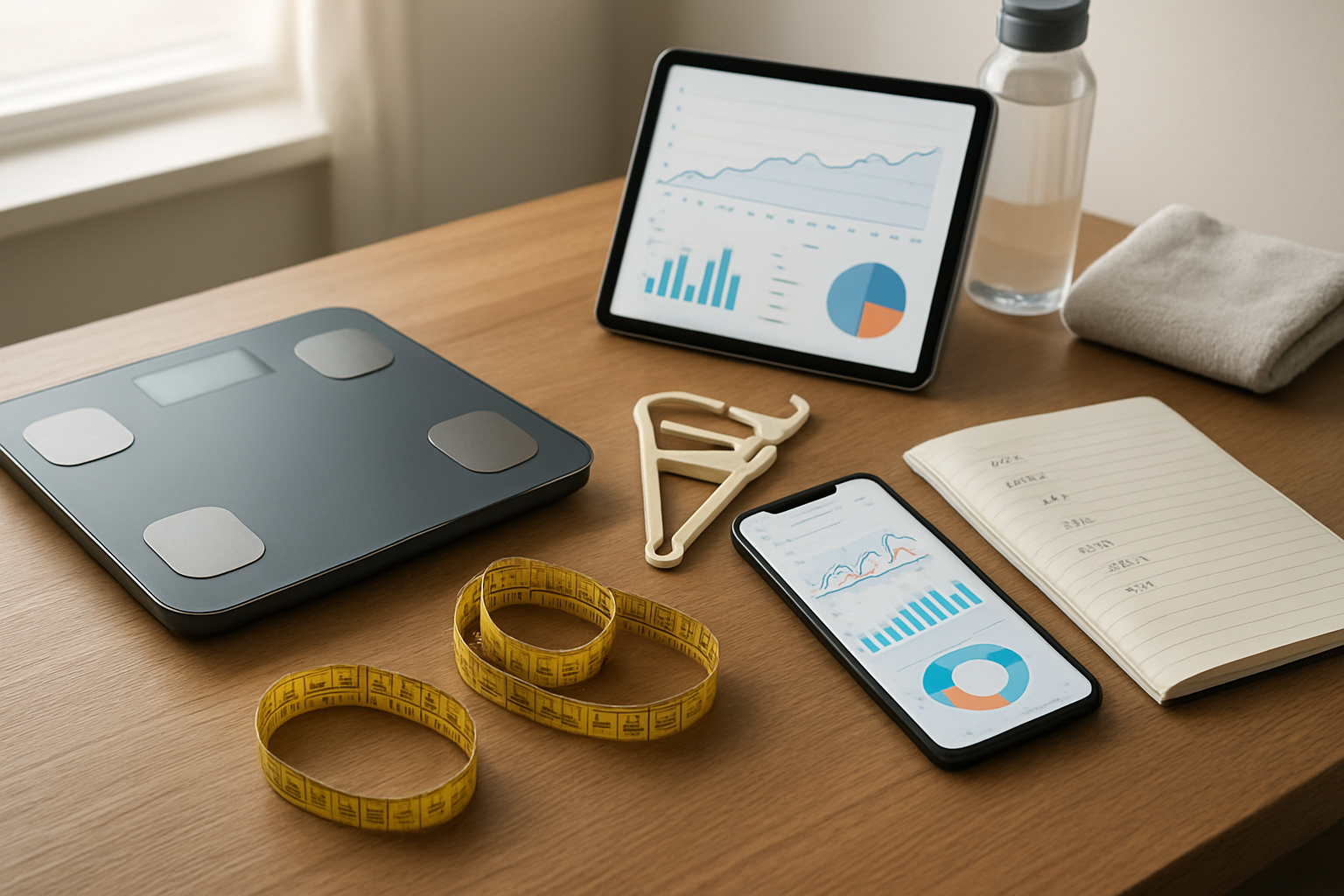
The bathroom scale tells only part of your fat loss story. Your body weight can fluctuate by 2-5 pounds daily due to water retention, hormones, and digestive contents. Smart fat loss tracking requires multiple measurement approaches that paint a complete picture of your body composition improvement.
Body fat calipers provide direct measurements of subcutaneous fat at specific body sites. While the absolute numbers may vary between devices, tracking trends over time reveals genuine fat loss progress. DEXA scans offer the gold standard for body composition analysis, measuring bone density, muscle mass, and fat distribution with exceptional accuracy.
Bioelectrical impedance scales, while less precise than DEXA, can track trends when used consistently under similar conditions (same time of day, hydration status). The key is establishing baseline measurements and focusing on directional changes rather than absolute values.
Progress photos often reveal changes that numbers miss entirely. Take photos from front, side, and back angles in consistent lighting and clothing. Many people see dramatic visual improvements while the scale barely budges, especially when building muscle simultaneously.
Track Body Measurements and Progress Photos Regularly
Consistent measurement protocols separate successful fat loss journeys from frustrating plateaus. Establish a weekly measurement routine using the same conditions each time for reliable data collection.
Take body measurements first thing in the morning after using the bathroom but before eating or drinking. Use a flexible measuring tape and measure key areas:
-
Waist: At the narrowest point, usually just above the navel
-
Hips: At the widest point of your hips
-
Chest/Bust: Around the fullest part
-
Arms: At the largest point of your bicep
-
Thighs: At the largest point of your upper leg
-
Neck: Just below the Adam's apple
Record these measurements in a spreadsheet or fitness app to track trends over time. A decrease in waist measurements often indicates visceral fat loss, even when overall weight remains stable.
For progress photos, maintain identical conditions: same location, lighting, time of day, and minimal clothing. Take photos weekly from three angles, standing relaxed with arms at your sides. Store these chronologically to create a visual timeline of your body fat reduction journey.
Adjust Calories and Exercise Based on Weekly Results
Your body adapts to caloric deficits by reducing metabolic rate, making ongoing adjustments essential for continued fat loss. Weekly data analysis helps you make informed decisions about when and how to modify your approach.
If you're losing 1-2 pounds per week consistently, maintain your current caloric deficit and exercise routine. This represents healthy, sustainable fat loss that preserves muscle mass while reducing body fat percentage.
When weight loss stalls for 7-10 days despite consistent adherence to your plan, consider these adjustments:
Dietary Modifications:
-
Reduce daily calories by 100-150
-
Increase protein intake to preserve muscle during deeper deficits
-
Cycle carbohydrates higher on training days, lower on rest days
-
Implement intermittent fasting to naturally reduce caloric intake
Exercise Adjustments:
-
Add 10-15 minutes to cardio sessions
-
Increase training frequency by one additional session
-
Incorporate high-intensity interval training for improved fat burning
-
Change exercise selection to challenge your body differently
Avoid making multiple changes simultaneously. Adjust one variable at a time, then assess results for 1-2 weeks before making additional modifications.
Recognize and Overcome Common Fat Loss Plateaus
Fat loss plateaus are normal biological responses to sustained caloric deficits. Your metabolism naturally downregulates to preserve energy, and your body becomes more efficient at performing familiar exercises. Understanding plateau patterns helps you respond strategically rather than emotionally.
Metabolic Adaptation Signs:
-
Weight loss stops despite maintained deficit
-
Decreased energy levels and mood
-
Increased hunger and cravings
-
Sleep quality deterioration
-
Exercise performance decline
Plateau-Breaking Strategies:
Refeed Days: Temporarily increase calories to maintenance level for 1-2 days weekly. This helps restore leptin levels, the hormone responsible for hunger regulation and metabolic rate. Focus on increasing carbohydrates while maintaining protein and fat intake.
Diet Breaks: Take 1-2 weeks at maintenance calories every 6-8 weeks of sustained dieting. This longer break allows full hormonal recovery and can actually accelerate long-term fat loss by preventing severe metabolic adaptation.
Exercise Variation: Your body adapts to repeated movement patterns, reducing caloric expenditure over time. Rotate between different cardio modalities (cycling, swimming, rowing) and strength training protocols (rep ranges, exercise selection, training split) every 4-6 weeks.
Stress Management: Chronic stress elevates cortisol levels, promoting fat storage particularly around the midsection. Prioritize sleep quality (7-9 hours nightly), practice stress-reduction techniques, and consider meditation or yoga to support your fat loss goals.
The most successful individuals view plateaus as opportunities to reassess and refine their approach rather than reasons to abandon their healthy weight loss strategies entirely.

Getting your body fat percentage where you want it doesn't have to be this impossible mountain to climb. The real game-changer is understanding that it's all about creating that caloric deficit through smart food choices, pairing it with workouts that actually torch fat, and giving your body the recovery time it needs to work its magic. When you track your progress with actual data instead of just hoping for the best, you can tweak things along the way and keep moving toward your goals.
Start with small, manageable changes today rather than trying to overhaul your entire life overnight. Pick one area from this plan - maybe cleaning up your nutrition or adding some strength training - and focus on that for the next two weeks. Your body will thank you for the patience, and you'll be amazed at how these steady, consistent efforts add up to real results over time.
Comments
Post a Comment