daily water intake, how much water should I drink, hydration benefits, proper hydration, water consumption tips, foods for hydration, dehydration symptoms, drinking water habits, water intake calculator, hydration strategies
Drinking enough water daily
Most people know they should drink more water, but figuring out your daily water intake can feel confusing. This guide is for anyone who wants to improve their hydration habits and understand how much water they actually need each day.
You'll discover the science behind proper hydration and why your body craves H2O for everything from brain function to glowing skin. We'll also share practical water consumption tips that make hitting your hydration goals easier, plus reveal surprising foods that can boost your fluid levels without reaching for another glass.
Whether you're dealing with dehydration symptoms or just want to build better drinking water habits, you'll get clear answers backed by real research.
Understanding Your Body's Daily Water Requirements
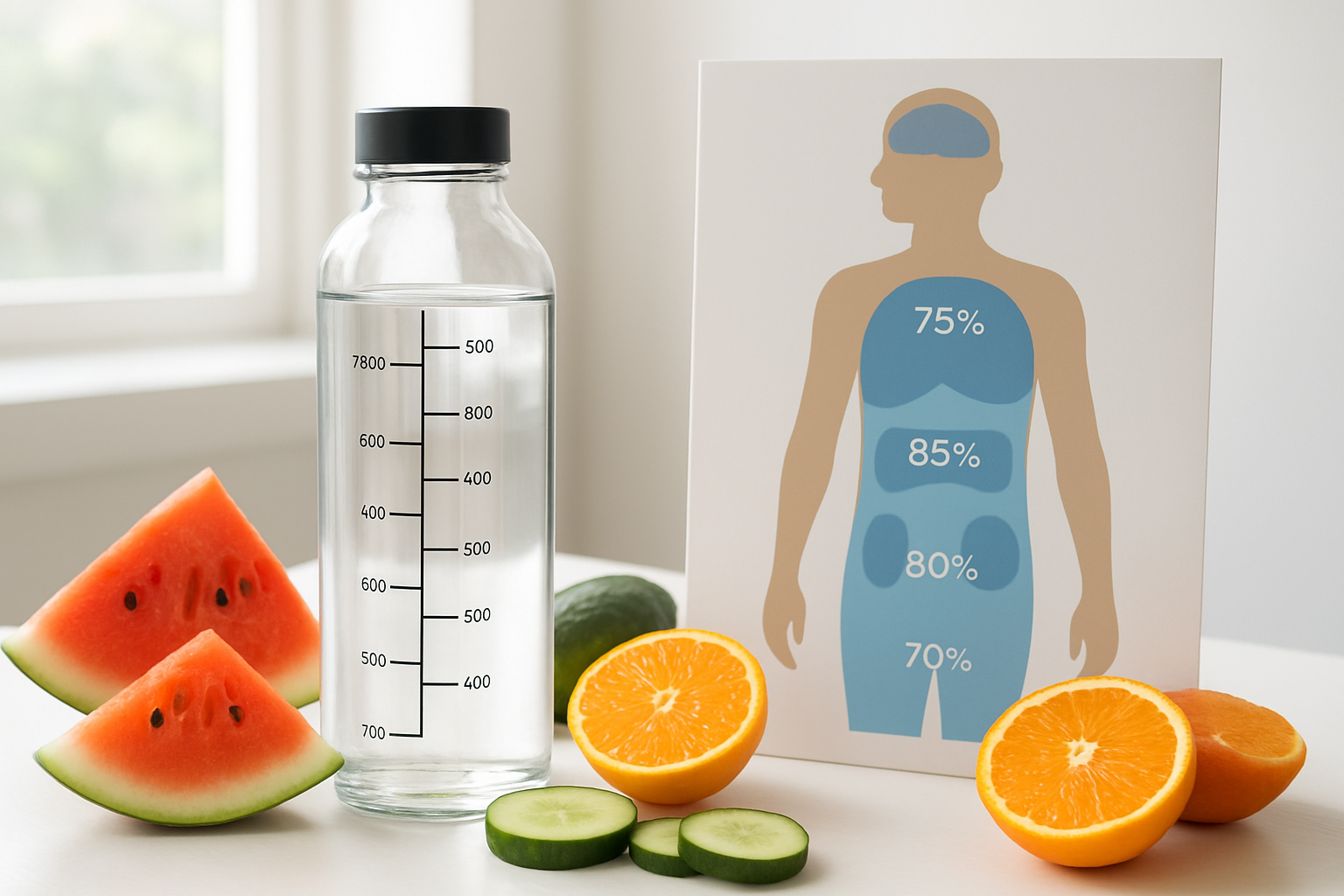
Calculate your personal hydration needs based on body weight
Your daily water intake isn't a one-size-fits-all number. A simple formula can help you determine your baseline water needs: drink about 0.5 to 1 ounce of water per pound of body weight. For someone weighing 150 pounds, this means drinking 75 to 150 ounces daily, or roughly 9 to 19 cups.
This range gives you flexibility based on your activity level and environment. Start with the lower end if you're sedentary and increase toward the upper range if you're more active. Many health experts recommend using a water intake calculator that factors in multiple variables for more precise results.
Here's a quick reference for different body weights:
| Body Weight | Minimum Daily Intake | Maximum Daily Intake |
|---|---|---|
| 120 lbs | 60 oz (7.5 cups) | 120 oz (15 cups) |
| 150 lbs | 75 oz (9.4 cups) | 150 oz (18.8 cups) |
| 180 lbs | 90 oz (11.3 cups) | 180 oz (22.5 cups) |
| 200 lbs | 100 oz (12.5 cups) | 200 oz (25 cups) |
Adjust water intake for physical activity levels
Physical activity dramatically increases your hydration needs. When you exercise, your body loses water through sweat and increased breathing. The American Council on Exercise recommends drinking 17-20 ounces of water 2-3 hours before exercising, then 8 ounces every 15-20 minutes during activity.
Post-workout hydration matters too. For every pound lost during exercise, drink 16-24 ounces of water. If you're doing intense or prolonged exercise lasting over an hour, consider beverages with electrolytes to replace what you've lost through sweat.
Different activities require different approaches:
-
Light exercise (30-60 minutes): Add 12-16 ounces to your daily intake
-
Moderate exercise (1-3 hours): Add 16-24 ounces
-
Intense/endurance exercise (3+ hours): Add 24-36 ounces plus electrolyte replacement
Account for climate and environmental factors
Hot, humid weather makes your body work harder to stay cool, increasing fluid loss through sweat. In these conditions, increase your daily water intake by 16-32 ounces. Air conditioning and heating systems also affect hydration by creating dry environments that pull moisture from your body.
High altitude presents unique challenges. Above 8,000 feet, your body loses water faster through increased urination and breathing. You'll need an extra 1.5 to 2.5 cups of water daily at high elevations.
Environmental factors that increase water needs:
-
Hot weather (above 85°F)
-
High humidity
-
Dry indoor air from heating or AC
-
High altitude
-
Air travel
-
Illness with fever, vomiting, or diarrhea
Recognize how age affects your hydration needs
Age plays a significant role in determining how much water should I drink daily. As we get older, our bodies hold less water, and our sense of thirst becomes less reliable. Older adults often don't feel thirsty until they're already mildly dehydrated.
Children have higher water needs relative to their body weight because they're more active and have faster metabolisms. They need about 1-1.5 ounces per pound of body weight. Pregnant and breastfeeding women require additional fluids - about 10 cups during pregnancy and 13 cups while breastfeeding.
Age-related hydration considerations:
-
Infants and toddlers: Higher needs per body weight, rely on caregivers
-
Children and teens: Active lifestyles require vigilant hydration
-
Adults: Standard calculations work well
-
Seniors: Decreased thirst sensation, medications may affect fluid balance
-
Pregnant women: Increased blood volume requires more fluids
-
Breastfeeding mothers: Milk production demands extra water
Science-Backed Health Benefits of Proper Hydration
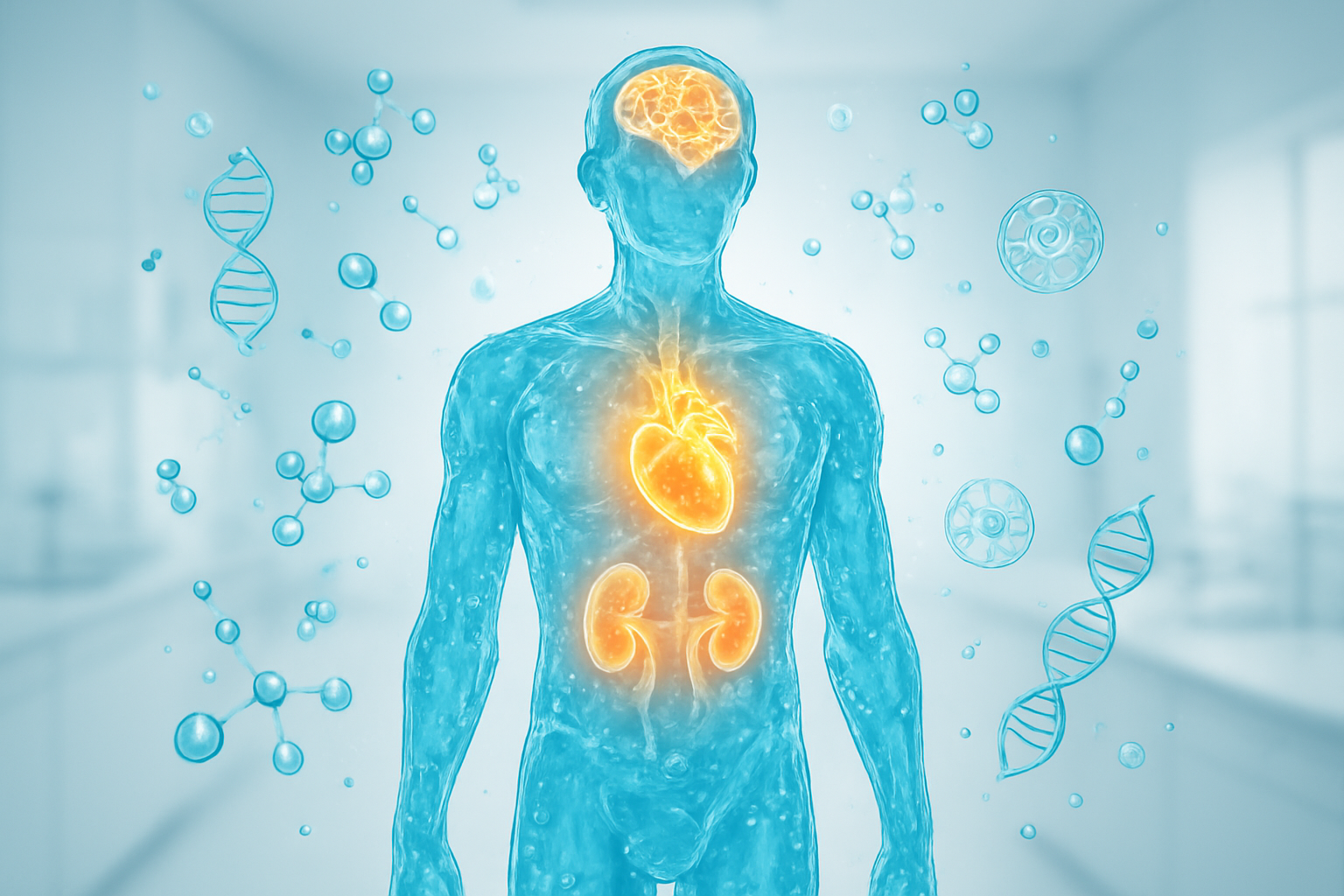
Boost energy levels and mental clarity throughout the day
Your brain is roughly 75% water, making proper hydration critical for peak mental performance. When you maintain adequate daily water intake, you're literally feeding your brain the fuel it needs to function optimally. Studies show that even mild dehydration of just 2% can significantly impair cognitive abilities, including concentration, alertness, and short-term memory.
Well-hydrated individuals report feeling more energetic throughout the day because water helps transport oxygen and nutrients to cells while removing metabolic waste products that can cause fatigue. Your body doesn't need to work overtime to compensate for dehydration, leaving more energy for daily activities and mental tasks.
Research from the University of Connecticut found that dehydrated participants scored lower on tests measuring mood, concentration, and working memory. The good news? These effects reversed quickly once proper hydration was restored.
Improve skin health and maintain youthful appearance
Water acts as your skin's natural moisturizer from the inside out. Proper hydration maintains skin elasticity, reduces the appearance of fine lines, and gives your complexion a healthy, radiant glow. When cells are well-hydrated, they plump up naturally, creating smoother-looking skin.
Dehydrated skin becomes tight, flaky, and more prone to irritation. The skin's barrier function weakens without adequate moisture, making it vulnerable to environmental damage and premature aging. Dermatologists consistently emphasize that hydration benefits extend far beyond topical moisturizers.
Your skin cells regenerate constantly, and this process requires sufficient water to function effectively. Well-hydrated skin also heals faster from minor cuts, blemishes, and sun damage because cellular repair mechanisms work more efficiently when moisture levels are optimal.
Support kidney function and toxin elimination
Your kidneys process about 50 gallons of blood daily, filtering waste and excess substances through roughly 2 million tiny filters called nephrons. This remarkable filtration system depends entirely on adequate water consumption to function properly. When you drink enough water, your kidneys can efficiently flush out toxins, excess sodium, and metabolic waste products through urine.
Chronic dehydration forces kidneys to work harder, concentrating urine and potentially leading to kidney stone formation. The concentrated waste products can crystallize, creating painful stones that may require medical intervention. Maintaining proper hydration significantly reduces this risk.
Water also helps prevent urinary tract infections by regularly flushing bacteria from the urinary system. This natural cleansing process becomes compromised when fluid intake drops, allowing harmful bacteria to multiply and cause infections.
Enhance digestion and nutrient absorption
Digestive health relies heavily on adequate hydration at every stage of the process. Saliva, which contains important digestive enzymes, is 95% water. Without sufficient hydration, your mouth produces less saliva, making it harder to break down food and potentially leading to bad breath and dental issues.
Water helps dissolve nutrients, making them accessible for absorption in your small intestine. Fat-soluble vitamins A, D, E, and K require adequate fluid levels to be properly absorbed and transported throughout your body. Poor hydration can lead to nutrient deficiencies even when eating a balanced diet.
The digestive tract's smooth muscle contractions, called peristalsis, depend on proper hydration to move food through your system efficiently. Dehydration commonly causes constipation because the large intestine absorbs too much water from waste material, creating hard, difficult-to-pass stools.
Regulate body temperature and joint lubrication
Your body's cooling system relies on water for temperature regulation through sweating and respiration. When environmental temperatures rise or during physical activity, your body releases heat through evaporation of sweat. Without adequate hydration, this cooling mechanism fails, potentially leading to heat exhaustion or heat stroke.
Water serves as the primary component of synovial fluid, which lubricates joints and reduces friction between cartilage surfaces. Think of it as your body's natural WD-40. Well-lubricated joints move more smoothly, experience less wear and tear, and remain more flexible throughout your lifetime.
Cartilage tissue is about 80% water, and maintaining this moisture content keeps joints cushioned and shock-absorbent. Athletes and active individuals particularly benefit from proper hydration because it reduces joint stiffness and may help prevent exercise-related injuries. Even everyday activities like walking, climbing stairs, or lifting objects become easier when joints are properly lubricated through adequate water consumption.
Simple Strategies to Increase Your Daily Water Consumption
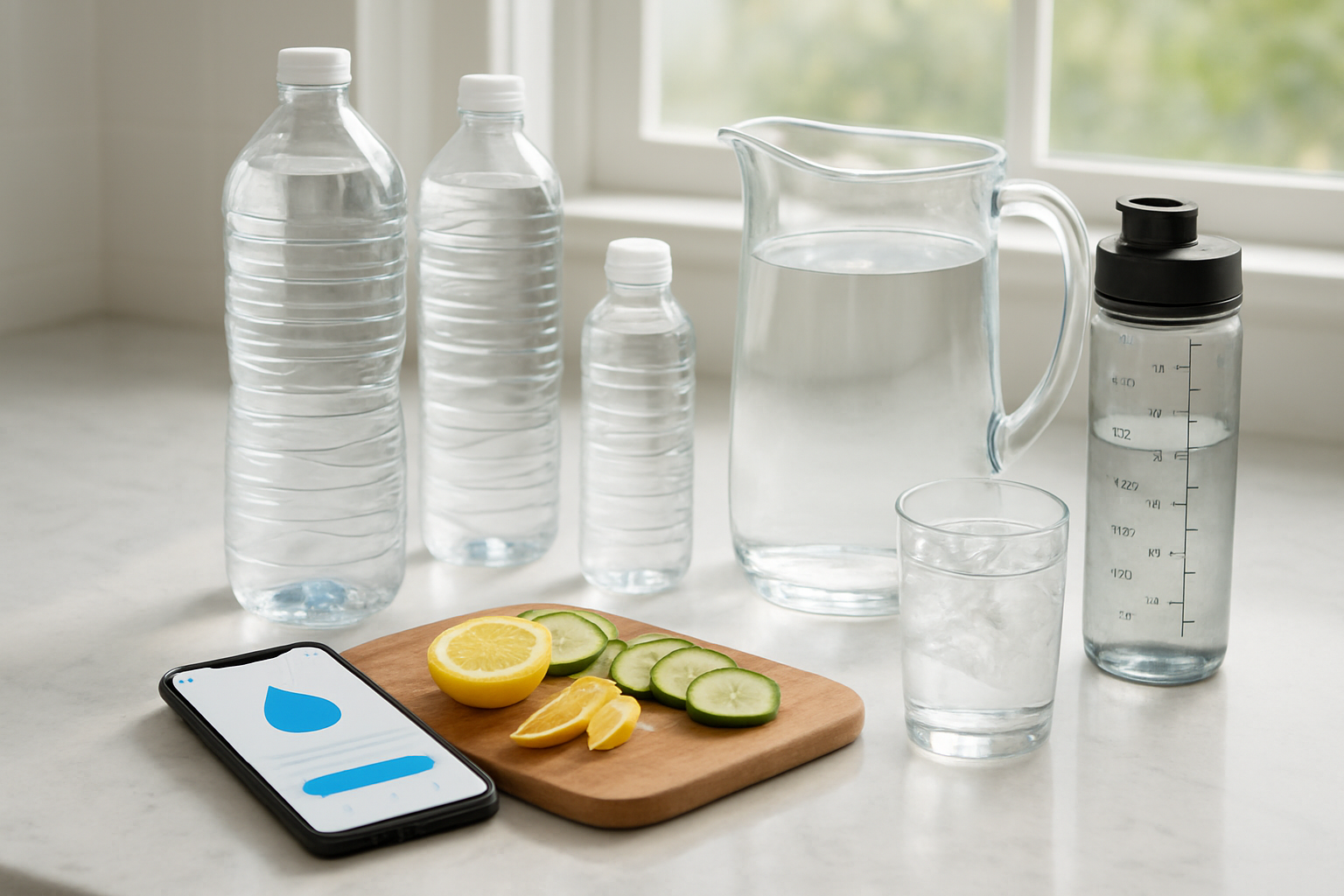
Start Every Morning with a Large Glass of Water
Beginning your day with 16-20 ounces of water creates an immediate positive impact on your hydration strategies. After 6-8 hours of sleep without fluid intake, your body naturally enters a mildly dehydrated state. That morning glass kickstarts your metabolism, helps flush out toxins, and sets the foundation for meeting your daily water intake goals.
Keep a large glass or water bottle on your nightstand so it's the first thing you reach for upon waking. This simple habit eliminates the need to remember or think about it - you'll drink before your feet even hit the floor. Many people find that room temperature water works best first thing in the morning, as it's easier on an empty stomach than ice-cold alternatives.
Use Visual Reminders and Smartphone Apps for Tracking
Technology transforms proper hydration from guesswork into a measurable habit. Water tracking apps like WaterMinder, Hydro Coach, or Plant Nanny gamify your water consumption tips by sending regular reminders and celebrating milestones. These apps often include a water intake calculator that personalizes recommendations based on your weight, activity level, and climate.
Visual cues work just as effectively for non-tech approaches. Try these proven methods:
-
Mark time stamps on your water bottle using a permanent marker
-
Set hourly phone alarms with custom hydration reminders
-
Use rubber bands around your bottle, moving one each time you finish a refill
-
Place sticky notes on your computer monitor, bathroom mirror, or car dashboard
The key is choosing a system you'll actually stick with rather than the most sophisticated option available.
Invest in a Quality Water Bottle You'll Actually Use
Your water bottle becomes your hydration companion, so choosing the right one significantly impacts your drinking water habits. The best bottle isn't necessarily the most expensive - it's the one that fits your lifestyle and preferences perfectly.
Consider these factors when selecting:
| Feature | Why It Matters |
|---|---|
| Size | 20-32 oz bottles require fewer refills while remaining portable |
| Material | Stainless steel keeps water cold; glass preserves taste; BPA-free plastic offers durability |
| Lid Style | Straw lids encourage more frequent sips; wide mouths are easier to clean |
| Insulation | Keeps beverages at preferred temperature for hours |
Temperature preference plays a huge role in water consumption. Some people drink more when water is ice-cold, while others prefer room temperature. Insulated bottles maintain your preferred temperature throughout the day, making each sip more appealing.
The bottle's appearance matters too. Choose colors, patterns, or brands that make you happy to carry it around. When you genuinely like your water bottle, you're more likely to keep it nearby and use it consistently throughout the day.
Foods That Boost Your Hydration Levels
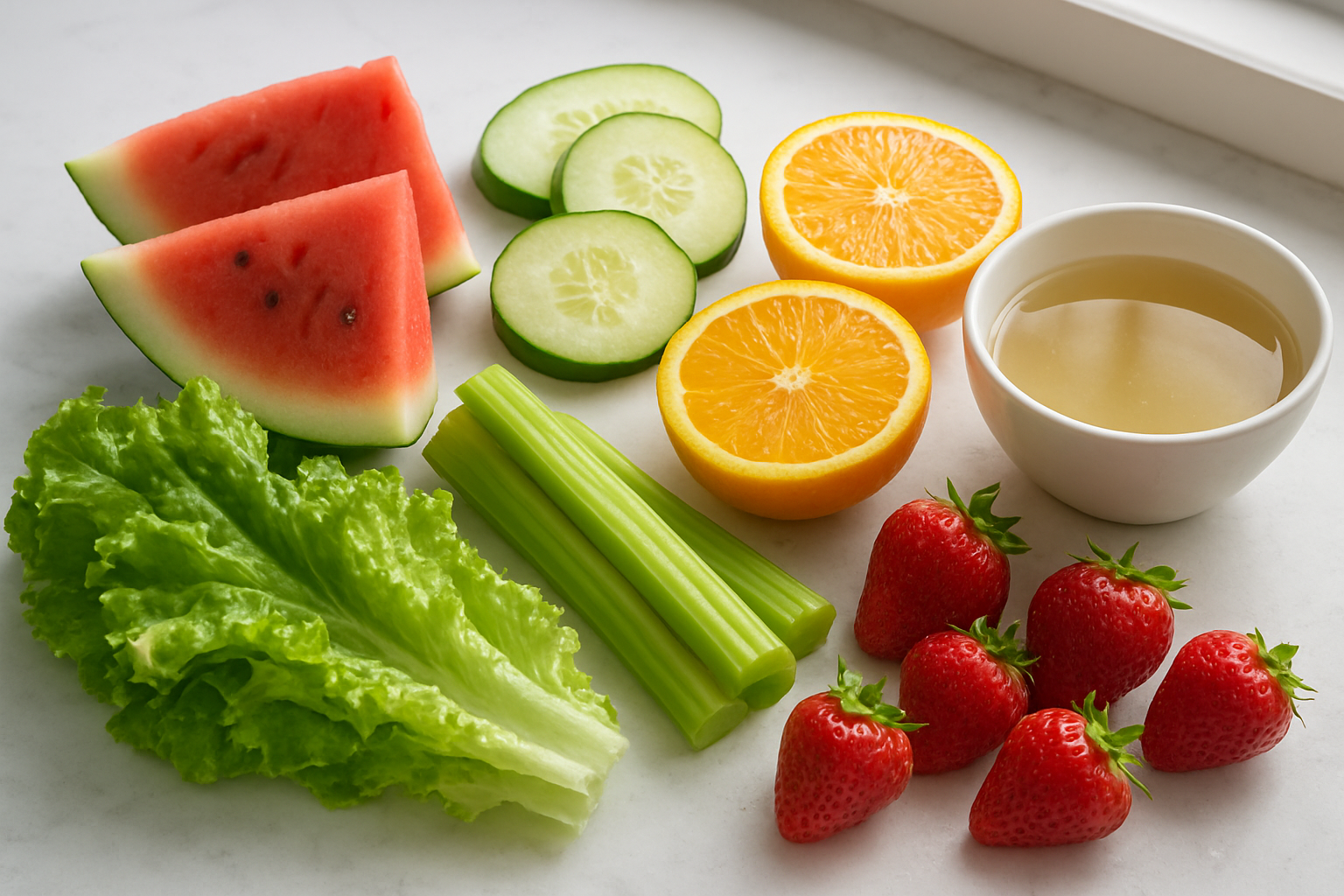
Water-rich fruits that count toward daily intake
Your daily water intake doesn't have to come solely from drinking glasses of water. Many fruits pack serious hydration power, with some containing up to 95% water by weight. Watermelon leads the pack at 92% water content, making it perfect for hot summer days when you need extra hydration. A single cup provides about 5 ounces of water toward your daily water intake goals.
Cantaloupe and honeydew melons follow closely behind, both offering around 90% water content plus essential vitamins and minerals. Citrus fruits like oranges and grapefruits contribute roughly 87% water while delivering vitamin C and fiber. Even strawberries surprise people with their 91% water content – a cup of fresh strawberries adds nearly 5.5 ounces to your hydration tally.
Peaches, pineapple, and grapes all hover around 85-90% water content, making them smart snacking choices for hydration strategies. These fruits work double duty: they help meet your daily water requirements while providing natural sugars for energy and nutrients your body needs.
Vegetables with high water content for meal planning
Smart meal planning includes vegetables that boost your hydration levels without extra effort. Cucumber takes the crown with 96% water content – adding sliced cucumber to salads, sandwiches, or snacks significantly contributes to proper hydration. Lettuce varieties like iceberg and romaine contain 95% and 94% water respectively, making salads a hydrating foundation for any meal.
Tomatoes offer 94% water content along with lycopene and potassium. Whether you eat them fresh, add them to cooking, or blend them into sauces, tomatoes support both nutrition and hydration goals. Bell peppers, regardless of color, provide about 92% water content and work perfectly in stir-fries, salads, or as crunchy snacks.
| Vegetable | Water Content | Serving Ideas |
|---|---|---|
| Cucumber | 96% | Salads, infused water, snacks |
| Lettuce | 95% | Salad base, wraps, sandwiches |
| Tomatoes | 94% | Fresh eating, cooking, sauces |
| Bell Peppers | 92% | Raw snacks, cooking, salads |
| Zucchini | 95% | Spiralized noodles, grilling |
Zucchini sneaks in at 95% water content and transforms into everything from spiralized noodles to grilled side dishes. Celery, radishes, and spinach also contribute meaningful water content while adding crunch and nutrients to your meals.
Hydrating beverages that complement plain water
Plain water remains the gold standard, but other beverages can support your water consumption tips when chosen wisely. Herbal teas count fully toward daily water intake since they're essentially flavored water without calories or caffeine. Chamomile, peppermint, and ginger teas provide hydration plus potential wellness benefits.
Coconut water offers natural electrolytes along with hydration, making it particularly valuable after exercise or during hot weather. Unlike sports drinks loaded with artificial ingredients, coconut water provides potassium and magnesium naturally. Just watch the calories if weight management matters to you.
Milk contributes to hydration while delivering protein and calcium. Both dairy and plant-based options like almond or oat milk count toward fluid intake, though they also provide calories and nutrients beyond pure hydration.
Sparkling water satisfies those who find plain water boring. Whether naturally carbonated or artificially fizzy, it hydrates just as effectively as still water. Add fresh fruit slices or herbs for natural flavoring without compromising the hydration benefits.
Low-sodium broths and clear soups provide hydration along with warming comfort. Vegetable or bone broths work especially well during cold weather when you crave something warm but still need to maintain proper hydration.
Foods to avoid that cause dehydration
Certain foods actively work against your hydration efforts by pulling water from your system or increasing fluid loss. High-sodium processed foods top this list – chips, crackers, canned soups, and fast food items force your kidneys to work harder, requiring extra water to flush out excess sodium.
Alcohol acts as a diuretic, meaning it increases urine production and leads to net fluid loss. Beer, wine, and spirits all contribute to dehydration, especially when consumed without accompanying water. The more alcohol you drink, the more water your body needs to process and eliminate it.
Sugary foods and drinks create an osmotic effect that draws water into your digestive system, potentially leaving other tissues dehydrated. Candy, pastries, and sweet beverages can temporarily spike blood sugar, requiring extra water for your kidneys to filter out excess glucose.
Caffeine in large amounts acts as a mild diuretic. While moderate coffee or tea consumption doesn't significantly impact hydration, excessive caffeine intake from energy drinks or multiple cups of strong coffee can increase fluid loss.
Highly processed meats like bacon, deli meats, and jerky contain preservatives and sodium that demand extra water for processing. These foods don't necessarily cause severe dehydration, but they don't support your hydration goals either.
Overcoming Common Hydration Challenges

Beat the Boredom of Plain Water with Natural Flavor Enhancers
Many people struggle with proper hydration simply because plain water feels boring after a while. The good news is you can transform your daily water intake without adding calories or artificial ingredients. Fresh fruit infusions work wonders - try cucumber and mint, lemon and lime, or berries with basil. These combinations add natural flavor while providing extra vitamins and antioxidants.
Herbal teas serve as excellent water alternatives that count toward your hydration goals. Chamomile, peppermint, and hibiscus teas offer unique flavors and health benefits. Drink them hot or cold, and you'll find yourself reaching for fluids more often throughout the day.
Sparkling water with a splash of 100% fruit juice creates a refreshing alternative that feels more like a treat than a health requirement. Add frozen fruit cubes instead of regular ice to gradually release flavor as they melt. This simple trick makes hydration more enjoyable and visually appealing.
Manage Frequent Bathroom Breaks During Work Hours
Drinking water habits often get derailed by concerns about frequent bathroom trips, especially during important meetings or work periods. The key is strategic timing rather than avoiding fluids altogether. Front-load your hydration by drinking most of your water during the first half of your day. This approach ensures you meet your daily water intake goals while reducing disruptions later.
Space your water consumption evenly throughout the morning hours rather than chugging large amounts at once. Sipping 4-6 ounces every 30 minutes feels more natural and reduces the urgency of bathroom breaks. Keep a marked water bottle at your desk to track progress easily.
Schedule bathroom breaks before meetings and during natural transition periods. Your body adapts to regular patterns, so consistent timing helps regulate your system. Remember that frequent urination is normal when increasing water intake - your body typically adjusts within 1-2 weeks.
Stay Hydrated While Traveling or on Busy Schedules
Travel and hectic schedules create unique hydration challenges that require smart planning. Airport security restrictions and limited bathroom access can make proper hydration seem impossible, but preparation makes all the difference.
Pack an empty water bottle in your carry-on and fill it after security checkpoints. Many airports now have water stations specifically for travelers. For road trips, plan stops every 2 hours for both bathroom breaks and water refills. This schedule aligns with safe driving practices while supporting your hydration strategies.
Busy professionals often forget to drink water during packed schedules. Set phone reminders every hour or use hydration apps that send gentle notifications. Keep water bottles in multiple locations - your car, office, gym bag, and kitchen counter. Visual cues work better than relying on thirst, which only appears after dehydration begins.
Hotel stays disrupt normal routines, so request extra water bottles at check-in or locate the nearest convenience store. Many hotels provide filtered water stations on each floor. Pack electrolyte packets for long travel days when you're sweating more or eating irregular meals that might affect your body's fluid balance.
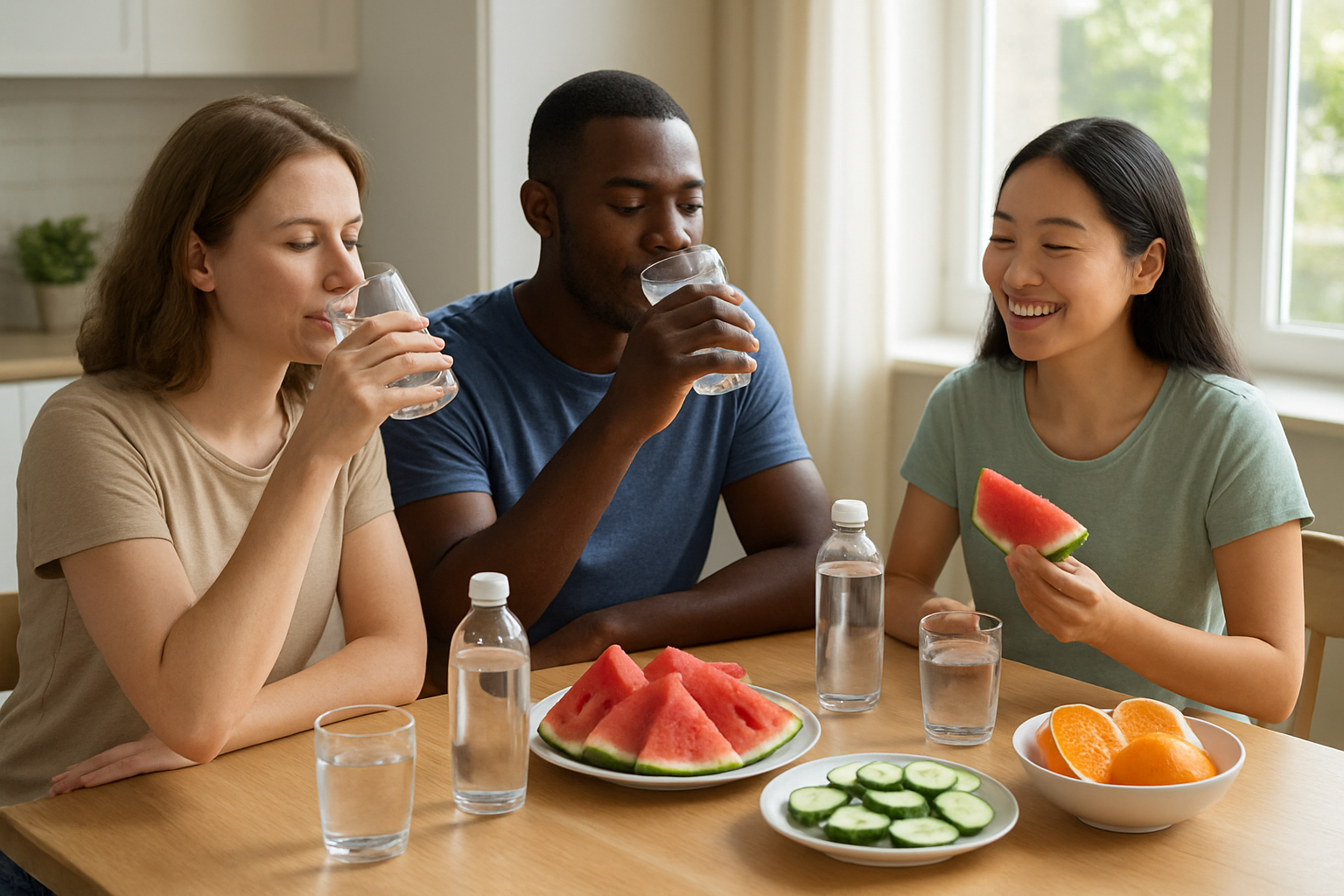
Your body runs on water, and giving it what it needs each day makes a real difference in how you feel and function. When you stay properly hydrated, you're supporting everything from your energy levels and brain function to your skin health and digestion. The science is clear - water isn't just about quenching thirst, it's about keeping your entire system running smoothly.
Making hydration a habit doesn't have to be complicated. Start with simple changes like keeping a water bottle nearby, eating water-rich foods, and finding solutions that work for your lifestyle. Whether you struggle with remembering to drink water or find plain water boring, there are practical ways to overcome these hurdles. Your future self will thank you for making hydration a priority today - so grab that water bottle and start giving your body the fuel it deserves.
Comments
Post a Comment